

If your stove has been in the kitchen for years, it probably shows its age. Grease buildup, cracked knobs, and uneven heating are common signs that an old cooker needs attention. Ignoring these clues can lead to higher energy bills, weird smells, or even a safety hazard. The good news? Most of the upkeep you need can be done with a few tools, a little time, and a bit of common sense.
Before you start tinkering, take a quick walk‑around of your stove. Look for these red flags:
Write down any issues you notice. Having a list makes the next steps easier and helps a repair tech understand the problem quickly.
Most of the time, a thorough clean does more good than a costly part replacement. Here’s how to do it safely:
After cleaning, reassemble everything, plug the stove back in, and run a quick test on each burner. If any still misbehave, move on to the next step.
Older stoves often have parts that wear out – heating elements, igniters, or control knobs. Here’s a quick guide to spotting a bad part:
Replacing these components is usually straightforward. You’ll need a screwdriver, the correct replacement part (check the model number), and a basic safety mindset. Many manufacturers provide step‑by‑step PDFs that match the exact model of your stove.
Some problems are best left to the experts, especially when they involve gas lines or complex electronic controls. If you notice any of the following, pause your DIY attempts and book a professional:
A qualified technician will have the tools to test gas pressure, replace sealed components, and ensure everything complies with safety regulations. It’s a small price to pay for peace of mind.
Keeping an old stove in shape doesn’t have to be a chore. Regular cleaning, early detection of wear, and quick part swaps can extend its life by years. When in doubt, trust a professional – your kitchen (and wallet) will thank you.

Navigating the decision between repairing or replacing a 10-year-old stove can be challenging. This article explores various factors including repair costs, the longevity of appliances, and energy efficiency to help homeowners make an informed decision. Additionally, it provides tips and insights on evaluating stove performance and when professional help is warranted. Readers will gain a comprehensive understanding of the practical steps they can take if they find themselves in a similar situation.
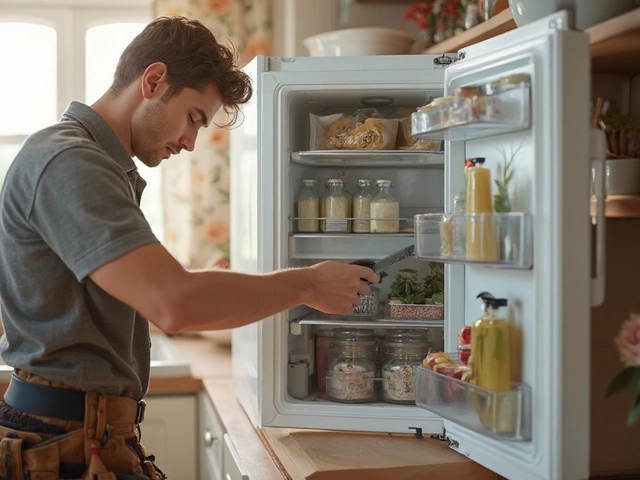
Resetting a freezer compressor may sound daunting, but it's an essential skill for maintaining your appliance's efficiency. Compressors can occasionally need a reset to function properly, potentially saving you from costly repairs or replacements. This article walks you through the steps to safely reset your freezer compressor and offers tips to prevent future issues. Understanding when and why to reset your compressor can keep your freezer running smoothly and extend its lifespan.
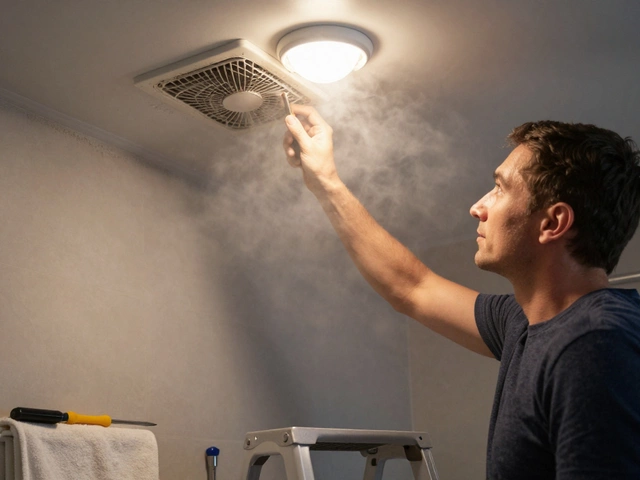
Replacing a bathroom extractor fan is often a simple DIY job that prevents mold and moisture damage. With the right tools and a little care, most homeowners can do it in under two hours. Learn how, what to buy, and when to call a pro.
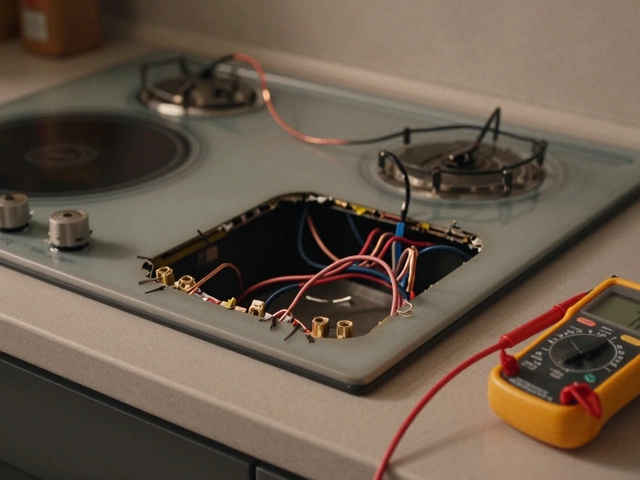
Replacing an electric hob isn't a DIY job. In the UK, it requires a qualified electrician for safety, legal compliance, and insurance reasons. Here's what you need to know before swapping your hob.

Can your gas oven be fixed? Learn which common parts like igniters and thermostats fail, when to DIY, and when to call a Gas Safe professional for safety.

Thinking about swapping out your gas hob? Safety rules in the UK are strict, and there’s more to it than just unscrewing pipes. This article looks at whether you really need a gas engineer for the job, what could go wrong if you cut corners, how to pick the right pro, and little-known facts about what happens during an installation. It’s a no-nonsense breakdown for anyone facing a hob swap, putting your safety at the front of the queue.