

If your boiler is chugging, leaking, or making weird noises, it could be getting old. An aging boiler not only wastes money but can also put your home at risk. Below are the most common signs that your boiler is past its prime and what you can do about it.
First, listen for strange sounds. A rattling, banging, or whistling boiler usually means parts are wearing out. Next, check the heating bill. If it’s creeping up even though you haven’t changed your usage, the boiler is probably losing efficiency.
Leaks are another red flag. Small drips around the base or on the pipework can turn into big floods if ignored. Also, watch the thermostat. If the water never reaches the set temperature or takes forever to warm up, the heat exchanger might be corroded.
Old boilers also tend to break down more often. If you’re calling a repair engineer every few months, it’s a sign the unit is near the end of its useful life. Finally, age matters. Most boilers last about 10‑15 years. If yours is older than that, start planning for a replacement.
When a part fails, ask the engineer how much it will cost to fix. If the repair bill is more than half the price of a new boiler, replacement is usually smarter. New models run up to 30% more efficiently, so you’ll save on fuel bills within a few years.
Safety is a big factor too. A faulty gas boiler can leak carbon monoxide, which is dangerous. If the engineer spots any gas leaks or signs of cracked heat exchangers, replace it right away.
Think about your home’s size and heating needs. An oversized boiler wastes energy, while an undersized one can’t keep rooms warm. A modern condensing boiler can be sized precisely for your property, giving you steady heat and lower costs.
If you’re on a tight budget, look for government grants or finance options. Many local councils offer cash incentives for energy‑efficient upgrades, which can cut the upfront cost.
Finally, choose a qualified professional. Look for a Gas Safe registered engineer with good reviews. A trusted expert will give you a clear quote, explain the pros and cons, and handle the installation safely.
In short, keep an eye on noises, leaks, high bills, and frequent breakdowns. When repairs start to add up, or the boiler is over 15 years old, plan for a new, efficient model. It’s a worthwhile investment that keeps your home warm and safe.
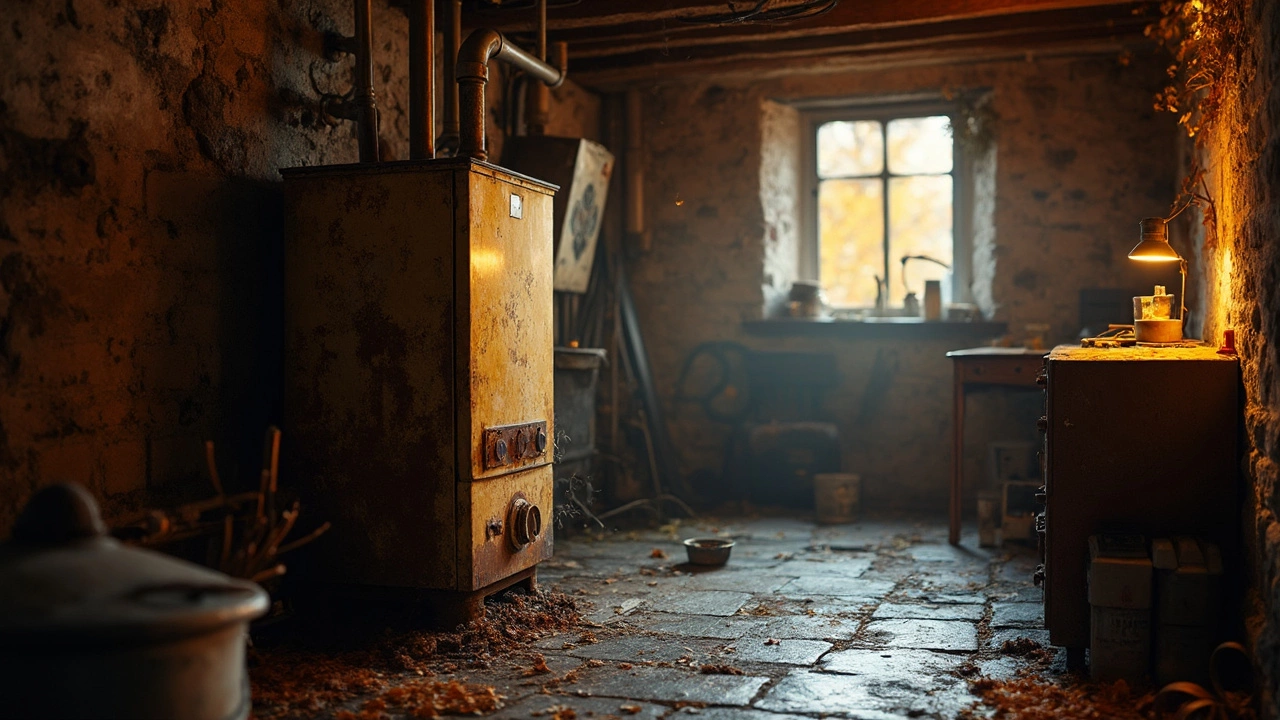
Replacing an old boiler might seem like a hassle, but when it's reaching the 15-year mark, the decision becomes crucial for efficiency and safety. This article explores whether it's time to upgrade, balancing costs, savings, and the impact on your home. From understanding energy efficiency to recognizing warning signs, we dive into everything you need to consider. With insights and practical tips, make an informed choice about your old boiler.
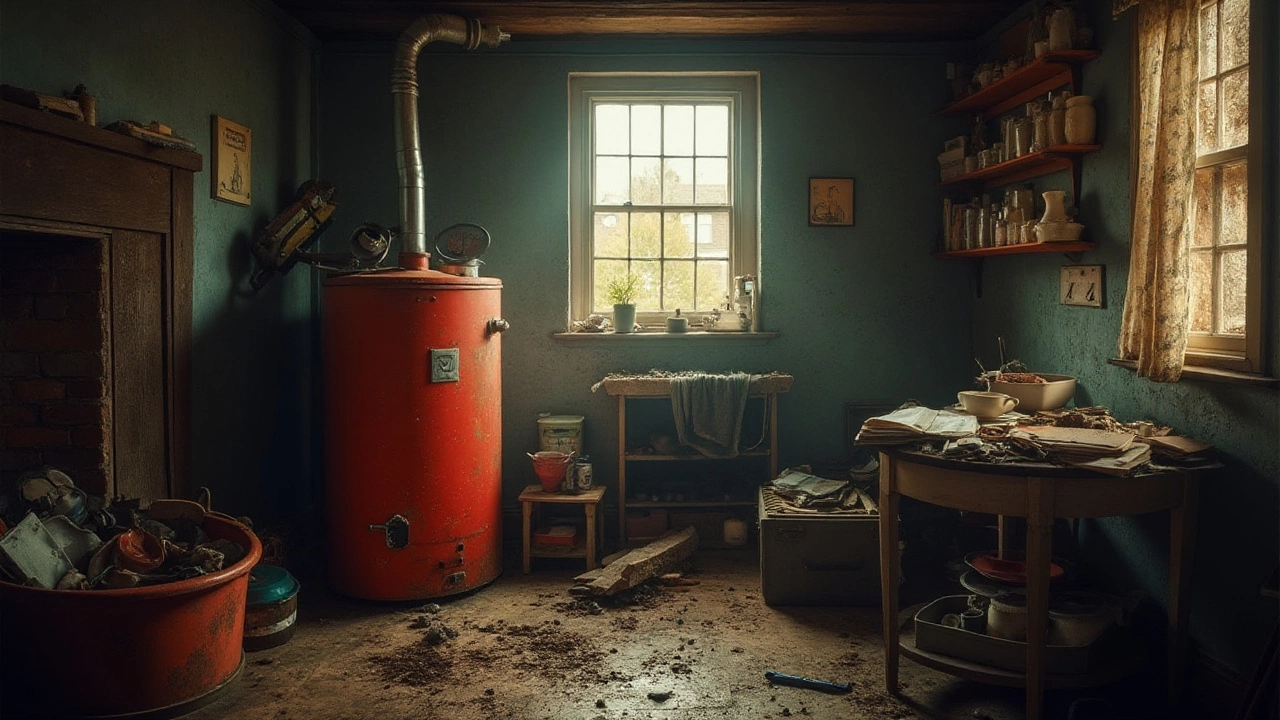
A 40-year-old boiler can pose potential safety risks. Understanding the wear and tear it undergoes over the decades is crucial. Regular maintenance and safety checks are essential to ensure it operates safely. Homeowners should consider the pros and cons of keeping such an old appliance. Discover tips and advice on making informed decisions regarding your boiler's safety and efficiency.

If your boiler stops working, know who to call and what to do immediately. This guide covers emergency steps, how to find a Gas Safe engineer, repair costs, and how to prevent future breakdowns in the UK.
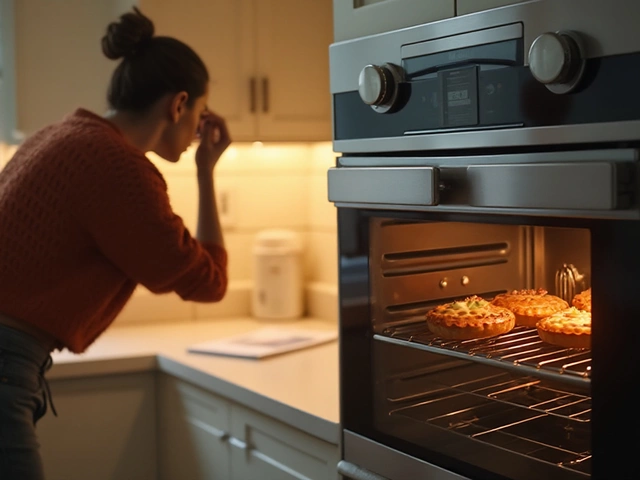
When your electric oven unexpectedly stops working, it can throw your kitchen routine into chaos. Understanding the potential reasons behind this issue can help you fix it quickly. Whether it's a power supply problem, faulty elements, or user error, this guide will walk you through common causes and solutions to get your oven back in working order. Discover useful tips to identify and address troubles with your electric oven efficiently.
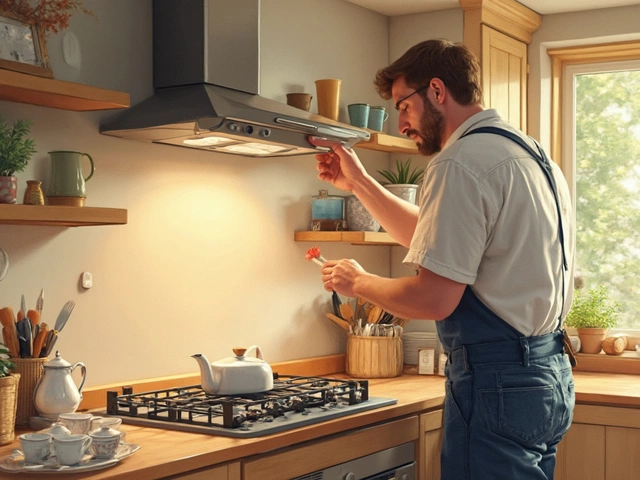
Keeping your home well-ventilated is essential, and extractor fans play a crucial role in maintaining air quality. Whether you're installing a new fan or repairing an old one, it's important to know who to call. Professional electricians and specialized ventilation technicians are the go-to experts. They ensure fans are properly installed and functioning efficiently, saving you from potential hassles down the road.
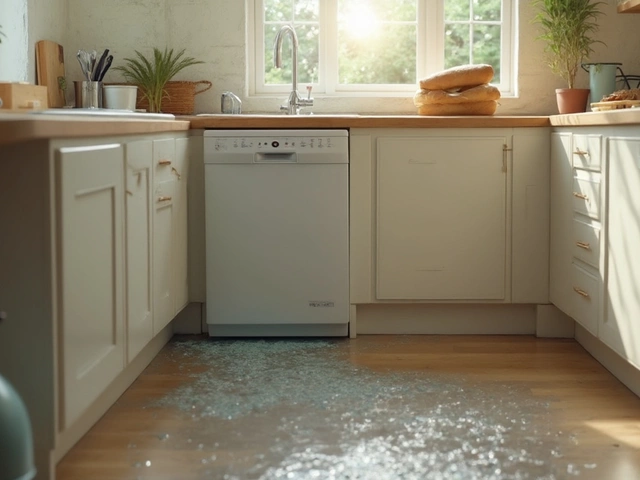
Dishwashers are a staple in modern kitchens, but they often face common issues. So, what's the most frequent problem users encounter? This article dives into typical faults like drainage issues and proposes practical solutions. Understand why your dishwasher might not clean effectively and learn simple DIY fixes to keep it in top shape. By addressing these issues, you'll ensure your dishwasher runs smoothly for years to come.
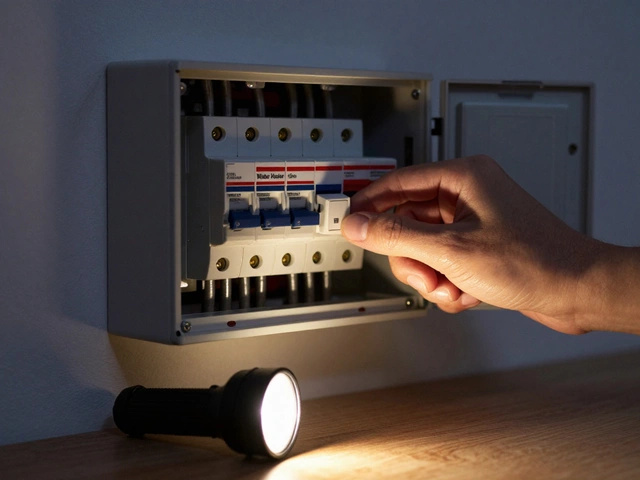
When there's no hot water, the first thing to check isn't the heater-it's the circuit breaker or pilot light. Most issues are simple fixes that save time and money. Learn what to look for and how to fix it yourself.