

Ever wonder why your heat pump runs but never makes the house feel cool? You’re not alone. A lot of homeowners hit this snag, and most of the time the solution is easier than you think. Below we walk through the most common reasons a unit won’t cool and give you a checklist you can try before you call a technician.
First, check the thermostat. If it’s set to “heat” instead of “cool,” the pump will keep blowing warm air. It sounds silly, but a quick spin of the dial can save you a service call.
Next, look at the outdoor unit. Dirt, leaves, or debris can block airflow and make the compressor overheat. Turn off the power, spray a gentle hose of water, and wipe away any buildup. A clean coil transfers heat much more efficiently.
Low refrigerant is another frequent culprit. When the system leaks, the pressure drops and the pump can’t remove heat. You might notice ice forming on the indoor coil. In this case, you’ll need a professional to locate the leak and recharge the system.
Check the air filter inside the house. A clogged filter restricts airflow, forcing the system to work harder and often leading to warm air. Replace the filter every one to three months – it’s a cheap habit that pays off.
Turn the breaker off for a minute, then flip it back on. This reset can clear minor electronic glitches that keep the unit from switching to cooling mode.
Listen for the fan. If the outdoor fan isn’t running, the compressor can’t dump heat outside. Make sure the fan blades spin freely and that the motor isn’t seized. If the fan motor hums but doesn’t turn, a capacitor may be dead – a small part you can replace yourself if you’re comfortable with basic electrical work.
Check the condensate drain. A blocked drain can cause the system to shut down as a safety measure. Locate the drain line (usually a PVC pipe near the indoor unit) and pour a cup of bleach mixed with water to clear any slime.
If the above steps don’t solve the problem, it’s time to call an expert. Look for a certified HVAC technician who knows local regulations and can handle refrigerant safely.
While heat pumps get most of the attention, similar “not cooling” issues happen with fridges, freezers, and air conditioners. The same principles apply: clean the coils, check the thermostat, replace filters, and make sure the fan runs. A quick visual inspection often points you in the right direction.
Bottom line: most cooling problems have a simple cause you can spot in minutes. Keep a basic maintenance routine – clean coils, change filters, and reset the unit – and you’ll avoid costly repairs and stay comfortable all summer long.
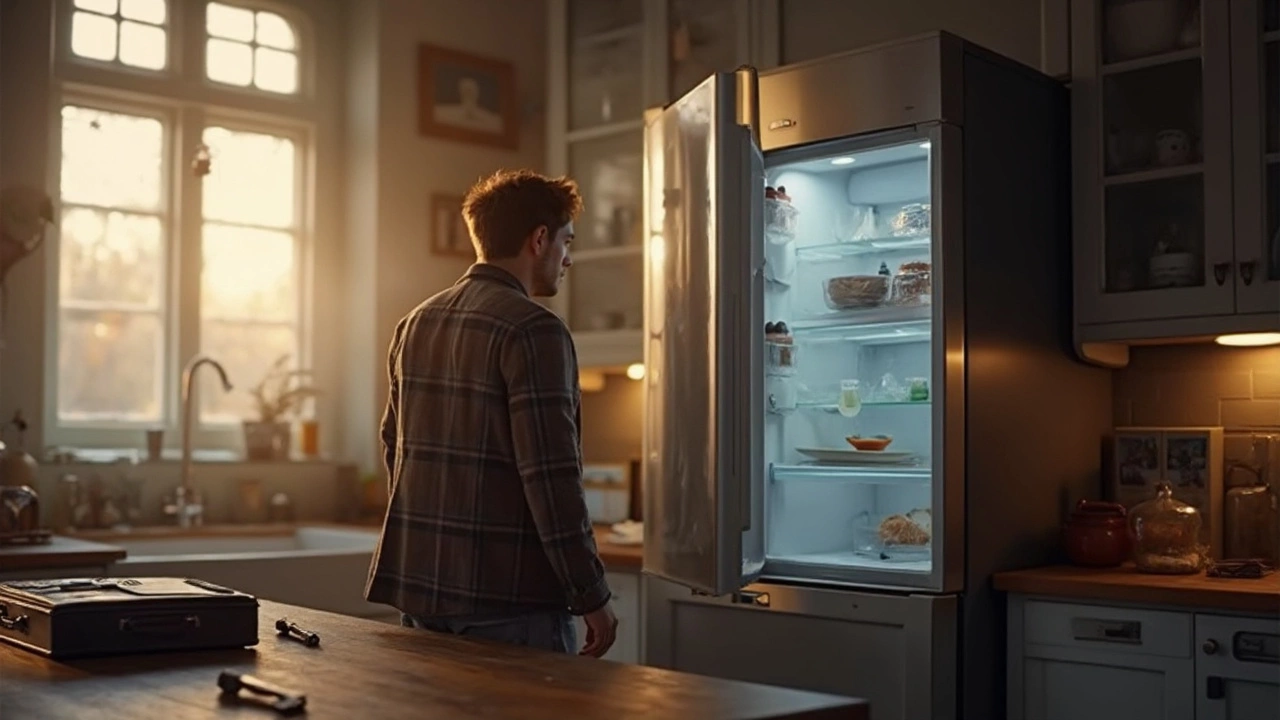
If your freezer isn't doing its one job—keeping things cold—you're in a pickle. But before you start shopping for a new one, there are a few things you might try to get it back to work. From checking the power source to cleaning coils, fixing cooling problems can often be simple and straightforward. Let's explore some potential solutions to get your freezer chilling again.
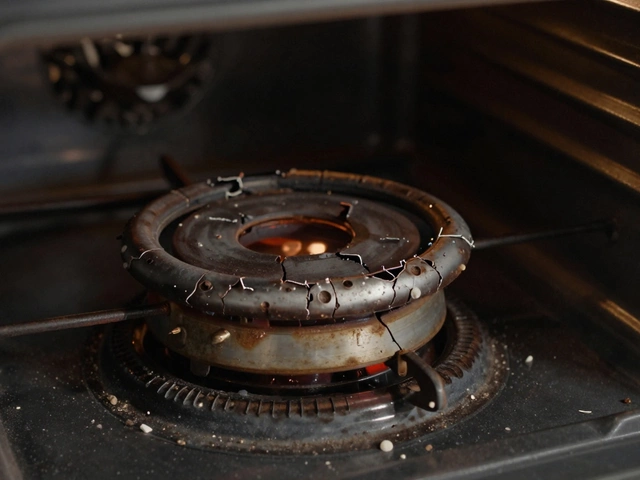
If your oven won't heat up, it's usually a simple fix-like a broken element, faulty thermostat, or blown fuse. Learn the most common causes and how to diagnose them yourself before calling a repair technician.

When your boiler breaks down, taking a comfortable shower suddenly feels like a luxury. This article explains exactly what happens to your shower when a boiler goes out, ways to still get clean, and when you should call in a professional. Learn alternative methods for washing, bust some myths about cold showers, and get tips on preventing future breakdowns. We even cover what to do if you have kids or need to keep up with fitness routines. Staying clean during a crisis isn’t impossible—you just need a bit of know-how and some creative solutions.

Is your 10 year old dryer gasping for air, and you’re wondering if it’s time to fix or toss it? This article breaks down how long dryers usually last, what typical repair costs look like, and when it just makes more sense to get a new one. You’ll find smart tips to figure out if fixing an older dryer is throwing good money after bad or saving yourself from an expensive upgrade. Get real-life advice that skips the fluff and gets to the point.

Wondering if you can still use your oven with a broken heating element? This article breaks down what actually happens when the heating element fails and what your options are. Learn about safety concerns, possible workarounds, and when it’s smarter just to fix it instead of limping along. Get tips on recognizing a bad element and ideas for a cheap, fast repair. Find out what really works and what won’t, straight from someone who’s fixed more than a few ovens themselves.
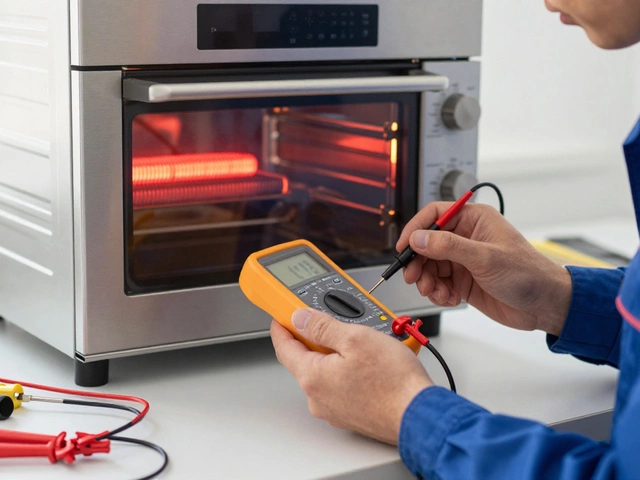
Learn the real cost to fix a broken oven, from common repairs like heating elements and thermostats to when it's better to replace. Get pricing, tips, and expert advice for 2026.