

Waking up to a cold shower is the worst way to start the day. Before you call a plumber, there are a few easy checks you can do yourself. Most no‑hot‑water problems are caused by something simple – a tripped breaker, a reset button, or a stuck thermostat. This guide walks you through the most common culprits and gives you step‑by‑step fixes you can try right now.
First, make sure the power or gas supply is actually on. For electric water heaters, look at your home’s breaker panel; a tripped switch will often reset with a firm flip. If you have a gas‑fired boiler, listen for the pilot light – a faint hissing sound or no flame means the system isn’t igniting. Also, verify that the thermostat is set to a warm enough temperature; many models default to 120°F (49°C). A quick adjustment can instantly bring back hot water.
If the basics check out, move on to a few hands‑on tricks. For electric tanks, locate the reset button on the thermostat (usually red) and press it – this often clears an over‑heat shutdown. For a boiler, bleed any air trapped in the radiators; a simple valve at the top of each unit releases the trapped air and restores proper flow. Next, inspect the dip tube inside the tank; a broken dip tube mixes cold water with hot water, giving you lukewarm results. Replacing it costs under £30 and is a straightforward job with a screwdriver and bucket.
Another common issue is a clogged inlet filter. Over time, sediment builds up and reduces water flow, making the heater work harder and sometimes shutting off. Turn off the cold‑water supply, unscrew the inlet nut, and clean the screen with a brush. Reassemble and restore the water flow – you’ll notice hotter water faster. Finally, check for any visible leaks around the heater or boiler; even a small drip can drop pressure and prevent the system from igniting.
If none of these steps restore hot water, it’s time to think bigger. A water heater that’s over ten years old often loses efficiency, and the heating element may be failing. For boilers, a faulty pump or a broken pressure valve can cause repeated shut‑offs. These parts usually require a professional’s tools and certification, especially when dealing with gas. Don’t risk safety – call a qualified engineer to diagnose and replace the component.
In the meantime, you can get temporary hot water by heating a kettle or using a portable electric heater. It’s not a long‑term fix, but it buys you time while you arrange a service visit. Remember, regular maintenance – flushing the tank once a year and checking the pressure gauge – can stop most no‑hot‑water surprises before they happen.
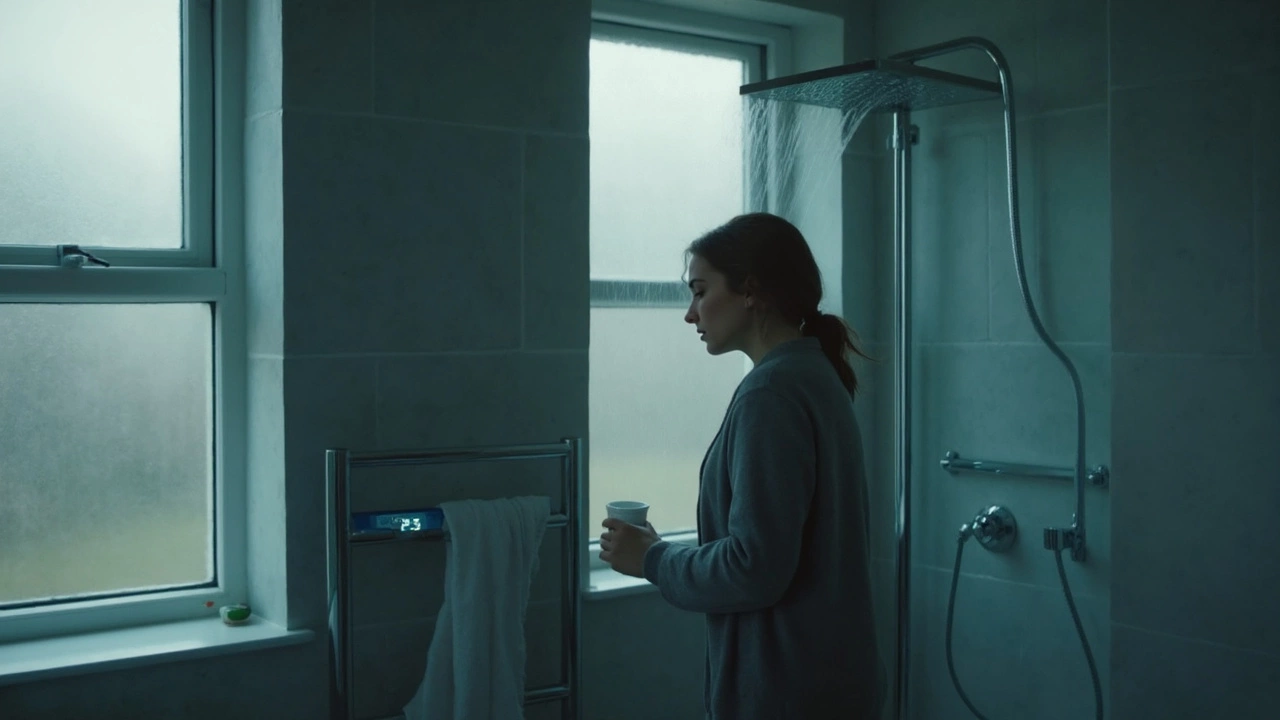
When your boiler breaks down, taking a comfortable shower suddenly feels like a luxury. This article explains exactly what happens to your shower when a boiler goes out, ways to still get clean, and when you should call in a professional. Learn alternative methods for washing, bust some myths about cold showers, and get tips on preventing future breakdowns. We even cover what to do if you have kids or need to keep up with fitness routines. Staying clean during a crisis isn’t impossible—you just need a bit of know-how and some creative solutions.
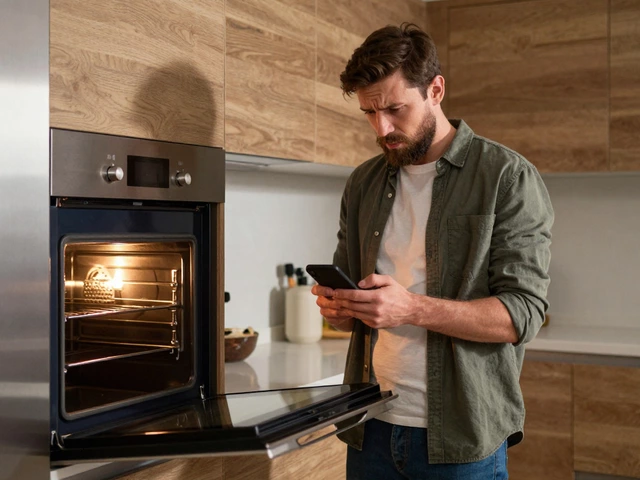
Deciding whether to repair or replace your oven? We break down the 2026 UK costs, the 50% rule, and hidden expenses to help you choose the most cost-effective option for your kitchen.
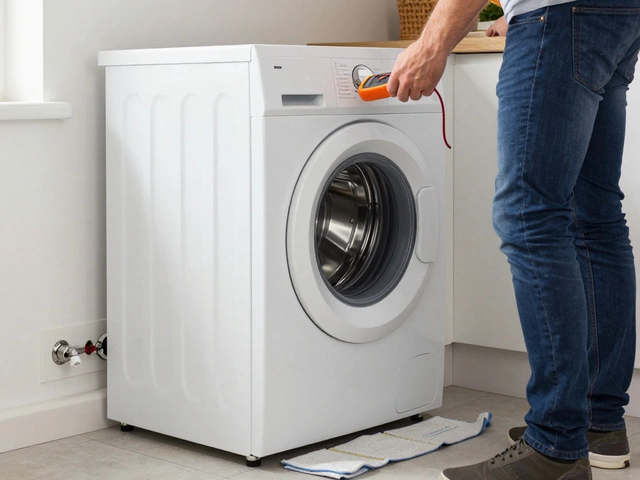
Learn how to diagnose common washing machine problems like leaks, noise, and spin failures. This step-by-step guide helps UK homeowners troubleshoot issues safely before calling a repair engineer.

Learn how to spot a malfunctioning heat pump, recognize warning signs early, and troubleshoot issues to keep your home comfortable and energy bills in check.
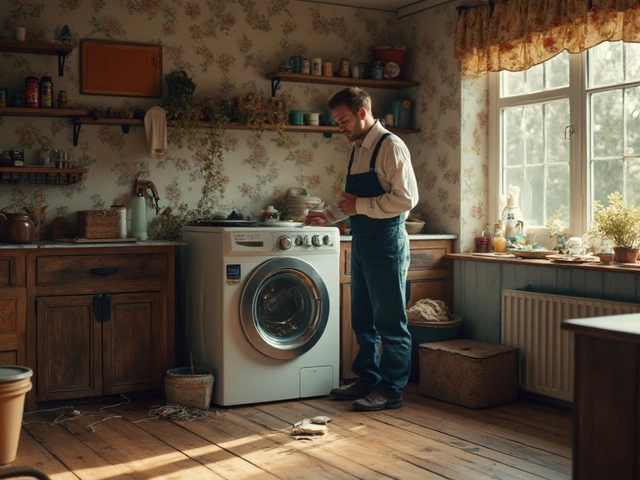
Wondering if fixing your 7-year-old washing machine is worth it? This guide helps you weigh the pros and cons. Consider factors like repair costs, common issues, and the appliance’s lifespan. Find out when it makes sense to repair or replace. Get informed tips to make the best decision for your laundry room.
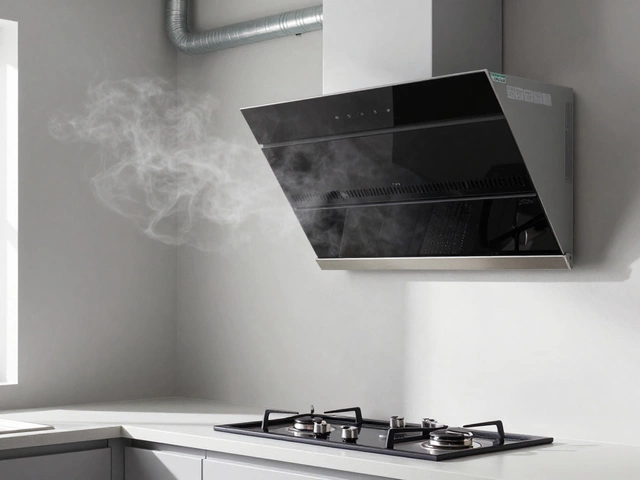
In the UK, you legally need an extractor fan in your kitchen if you have a gas hob or have done major renovations since 2006. Learn what the regulations require and why skipping it could cost you more than installing one.