

If your washing machine drums slowly, your dryer buzzes but won’t spin, or your extractor fan whines, the motor is probably the culprit. A failing motor can waste energy, make weird noises, and eventually stop working altogether. Knowing the signs early can save you time, money, and a lot of frustration.
First, listen. A humming or grinding sound that gets louder as the appliance runs usually means the motor is struggling. Second, watch performance. A washer that takes forever to agitate or a dryer that never reaches full speed is a red flag. Third, check for overheating – if the motor feels hot to the touch after a short cycle, it’s likely on its last legs.
Don’t ignore error codes either. Many modern appliances display a motor fault code on the panel. Look up the code in the user manual or online – it often points straight to a motor issue. Finally, inspect the belt or pulley. A broken belt can mimic motor failure, so make sure the belt is intact before ordering a new motor.
Got the right replacement part? Great. Before you start, unplug the appliance and let it cool for at least 15 minutes. Safety first – wear gloves and goggles to protect against sharp edges and electricity.
Next, remove the housing. Most appliances have a few screws on the back or bottom. Keep the screws in a small dish so you don’t lose them. Once the panel is off, locate the motor – it’s usually attached to a metal frame with a few bolts and a wiring harness.
Disconnect the wiring harness by pulling the clip or unscrewing the connector. Take a picture of the wiring layout; this will help you reconnect it correctly later. Then, unscrew the motor mounting bolts and lift the motor out. Some appliances have a drain pump or fan attached to the same shaft – remove those if needed.
Slide the new motor into place, align the bolt holes, and tighten the bolts snugly but not overly tight. Re‑attach the wiring harness, making sure each clip clicks back in. Replace any removed fans or pumps, then put the housing back on and screw it securely.
Plug the appliance back in and run a short test cycle. If the motor runs smoothly and the appliance behaves normally, you’ve nailed it. If you still hear weird noises or the appliance doesn’t work, double‑check the wiring or consider calling a professional.
Even if you’re comfortable with DIY, some motor jobs are best left to experts. Complex appliances like built‑in ovens or high‑efficiency washers have sealed motor housings that require special tools. Trying to force them open can damage the appliance and void any warranty.
When you need a pro, Bognor Regis Appliance Repair Experts are right around the corner. Our technicians know every make and model, have the right tools, and can replace a motor fast – often within an hour. We also offer a warranty on our repairs, giving you peace of mind.
To keep your motors healthy, run regular maintenance. Clean any lint filters, clear debris from fan vents, and check for loose wires every few months. A little care now can add years to your appliance’s life and keep the motor humming happily.
Bottom line: spot the signs early, follow safe DIY steps if you’re handy, and call us when the job gets tricky. Motor problems don’t have to ruin your day – with the right approach, you’ll have your appliances running like new in no time.

Thinking about swapping out the motor in your extractor fan? This article breaks down what's really involved, the red flags that mean the motor's cooked, and how to decide if you should tackle it yourself or call in a pro. It covers how to find the right replacement part, tips to avoid shocking mistakes, and why some fans just aren’t worth fixing. Whether your bathroom fan wheezes or your kitchen extractor hums like a jet, here’s how to handle a motor on its last legs.
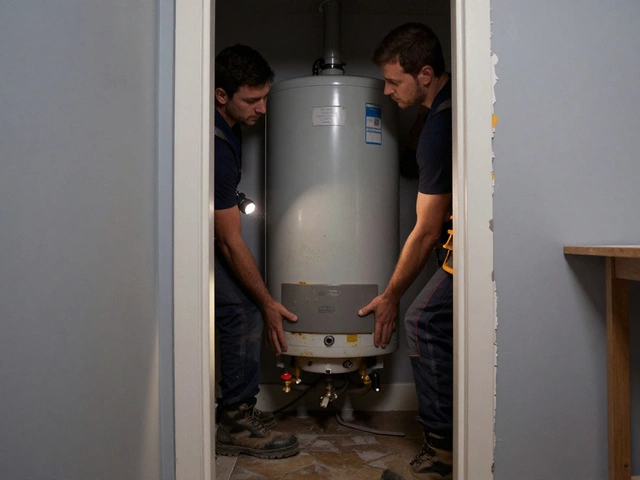
Find out exactly how long it takes to replace a water heater. We break down timelines for tank vs. tankless units, hidden delays, and installation steps to help you plan your schedule.
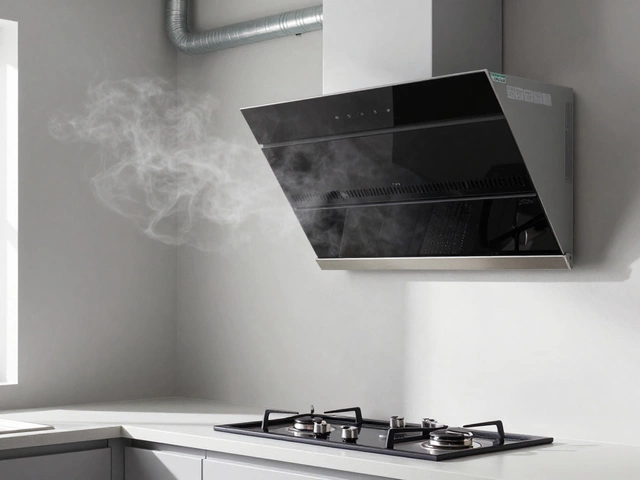
In the UK, you legally need an extractor fan in your kitchen if you have a gas hob or have done major renovations since 2006. Learn what the regulations require and why skipping it could cost you more than installing one.

If your electric oven suddenly stops working, don't panic. This article explores common issues with electric ovens and provides practical tips for troubleshooting and repair. From understanding how different components work to knowing when it's time to call a professional, you'll find the go-to advice you need to get your oven back in working order. Avoid the hassle of guesswork and get straightforward guidance on keeping your kitchen running smoothly. Practical insights on oven maintenance await you.
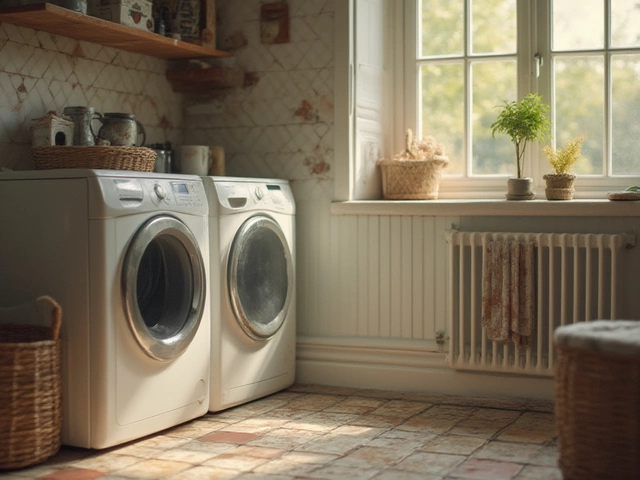
Is your washing machine considered old? Learn the real lifespan, signs it's aging, and pro tips to keep it running longer. Get real facts and advice from an expert.

Deciding whether to repair an electric oven after five years can be tricky, especially with advancing technology and evolving household needs. This article explores the practical aspects of oven repair, including cost-benefit analyses, common issues, and DIY tips to help inform your decision. By understanding key factors like repair costs versus replacement options, you can make an informed choice. Learn how to assess the condition of your oven and get tips on when professional help might be needed.