

Ever tried to heat up a quick snack and your microwave just hums or clicks and does nothing? That’s usually a sign that something inside has given up. Most of the time it’s a single part – like the motor, the high‑voltage transformer, or the heating element – that’s at fault. Knowing the usual suspects can save you time, money, and a lot of frustration.
The first place to look is the magnetron. This is the heart of the microwave; it creates the microwaves that heat your food. If it’s burnt out, the unit will run but stay cool. Next up is the door latch. A loose or broken latch triggers the safety circuit and stops the oven from operating. The turntable motor is another frequent culprit – if the plate won’t spin, the food can heat unevenly, and many microwaves won’t start at all. Finally, keep an eye on the high‑voltage capacitor and the fuse; they protect the electronics and can blow when the stove overheats.
Before you pick up the phone, try these quick tests. First, unplug the microwave and give it a good shake. If you hear loose parts rattling, the turntable motor or rollers might need replacement. Next, look at the interior for any burnt smells or visible scorch marks – that’s a magnetron warning. Check the door seal for cracks or broken clips; a simple re‑align can solve a safety lock issue. If the microwave clicks but never heats, the fuse or capacitor could be blown – you’ll need a multimeter to confirm, but many local repair shops can test it for cheap.
When you’ve pinpointed the part, compare the model number on the inside wall with the part number on the supplier’s list. Ordering the exact match saves you from the nightmare of returns. Swapping a faulty motor or fuse is usually a 15‑minute job with a screwdriver and a bit of patience. Just remember to discharge the capacitor first – it can hold a nasty charge even after you unplug the unit.
If you’re not comfortable opening the cabinet, or the problem involves the magnetron or high‑voltage transformer, it’s best to call a professional. Those components deal with high voltage and can be dangerous if mishandled. A qualified technician will also test the microwave’s power draw to make sure the issue isn’t an underlying electrical fault, which could cause repeated failures.
Bottom line: most microwave failures boil down to a single part. By checking the door latch, motor, fuse, and magnetron first, you can often decide whether a quick DIY fix will do or if it’s time for a pro. Either way, you’ll avoid the hassle of a cold meal and keep your kitchen humming smoothly.

Microwaves seem invincible until they suddenly stop working—usually right when you're hungry. This article tackles what actually breaks down most often in a microwave, from simple blown fuses to tricky magnetrons. You'll learn the telltale signs for each failure, why these things wear out, and how to figure out if it’s something you can fix yourself. Plus, there are practical tips on keeping your microwave running smoother for longer. Perfect for anyone tired of cold leftovers and expensive repair bills.
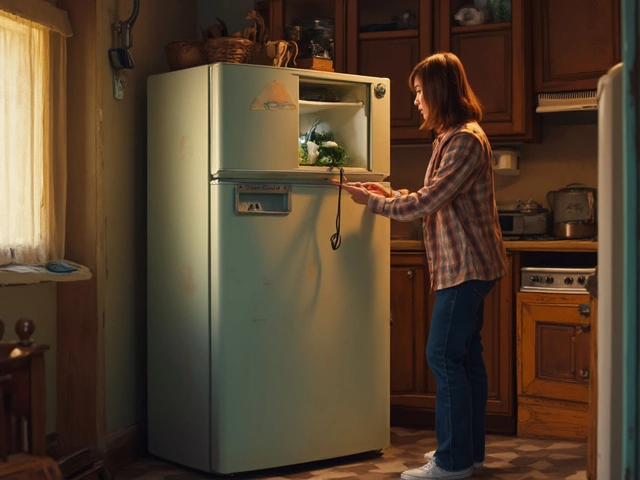
When your refrigerator suddenly stops working, it can cause quite a panic. But before calling in the repair services, there's one crucial thing you should check first: the power source. This step is often overlooked but can save you both time and money. Reliability and efficiency in troubleshooting can help bring your fridge back to life or at least determine the next best steps.
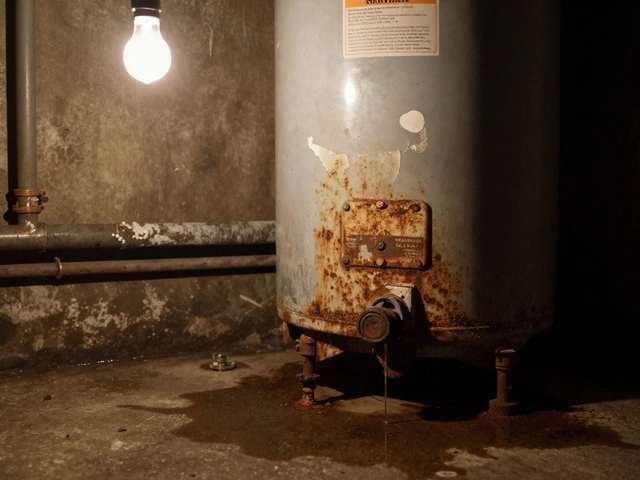
A 20-year-old water heater is likely inefficient, unsafe, and prone to sudden failure. Repairing it may seem cheaper, but replacement saves money, energy, and prevents costly water damage. Here’s what you need to know before deciding.
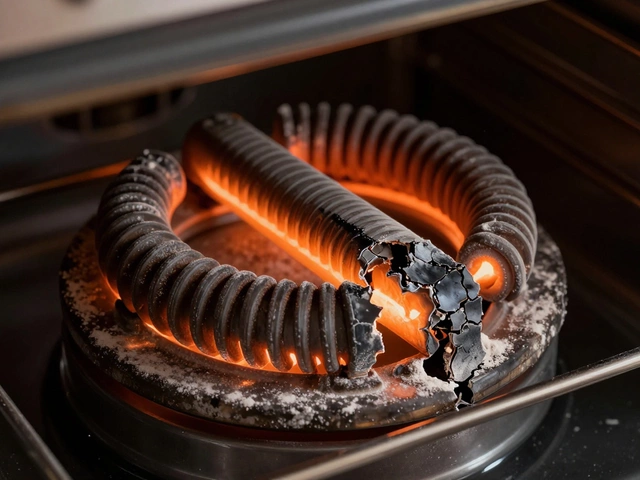
Learn how to tell if your oven element is blown by checking for visible damage, testing with a multimeter, and observing oven behavior. Most oven heating issues are simple fixes.

Heat pumps are reliable, but they aren’t perfect. Most people run into the same headache: their heat pump is running, but the air isn’t getting warm (or cool) enough. This article breaks down why this happens, what you can do before calling a pro, and how to keep your heat pump running smoothly. Get to know the main reasons behind weak heat and poor air flow, and pick up easy tips to avoid repeat problems. It’s practical info every homeowner can use.

Neglecting boiler maintenance can lead to a series of unfortunate events, from reduced heating efficiency to costly breakdowns. A neglected boiler could become a safety hazard, potentially increasing the risk of carbon monoxide poisoning. Regular servicing can enhance your boiler’s longevity, ensuring a warm home environment during cold spells. Discover why these routine check-ups are more crucial than many realize and learn how they can save you from avoidable expenses.