

There's nothing more annoying than reaching for a quick snack and the microwave just sits there, silent or humming with no heat. Before you throw it away or call a pricey service, try a few easy checks. Most problems are simple and can be solved in under ten minutes.
Power issues. The first thing to verify is whether the unit is actually getting electricity. Plug another appliance into the same socket. If it doesn’t work, reset the circuit breaker or check the fuse.
Door latch problems. Microwaves have a safety switch that stops operation if the door isn’t sealed correctly. Look for broken latches, warped doors, or debris preventing a tight fit. A loose latch will keep the microwave from starting.
Blown fuse or tripped thermal protector. Inside the microwave, a fuse protects the magnetron (the part that creates heat). If the microwave stopped mid‑cycle, the fuse may have blown. Replacing the fuse is inexpensive, but if it blows again, the magnetron could be failing.
Magnetron failure. This is the most common reason a microwave won’t heat. The magnetron can wear out after years of use. You might still hear it run, but no heat comes out. Replacing a magnetron is a job for a qualified technician.
Control board glitches. Modern microwaves use electronic boards to manage cooking time and power levels. Moisture, power surges, or age can cause the board to malfunction. If the display is blank or shows error codes, the board may need a reset or replacement.
1. Reset the unit. Unplug the microwave, wait 60 seconds, then plug it back in. This can clear minor electronic hiccups.
2. Inspect the door. Open and close the door several times. Listen for a click—this is the latch engaging. Clean any food crumbs or grease from the door seal with a damp cloth.
3. Check the interior. Look for burnt food or melted plastic that might have damaged the magnetron. Remove any debris and wipe the interior clean.
4. Test a different outlet. Plug the microwave into a known‑good socket on a different circuit. If it works, the original outlet is the problem.
5. Look for a visible fuse. Many microwaves have an accessible fuse near the power cord. If you see a broken filament, replace it with the same rating (usually 5 A, 250 V). Turn off power at the breaker before touching any components.
If none of these steps revive your microwave, it’s time to call in the pros. Trying to replace a magnetron or control board yourself can be dangerous – high voltage parts store a charge even after unplugging.
At Bognor Regis Appliance Repair Experts, we specialize in microwave repairs. Our technicians know how to safely test and replace internal parts, and we offer same‑day service for most common issues. Give us a call, describe the symptoms, and we’ll schedule a visit that fits your timetable.
Remember, regular maintenance can extend the life of your microwave. Keep the interior clean, avoid overheating empty dishes, and don’t run it for longer than the recommended time. A well‑cared‑for microwave can last 7‑10 years or more, saving you money and hassle.
So next time your microwave refuses to work, run through these quick checks first. If the problem persists, let the experts handle it – you’ll be back to heating leftovers in no time.

Microwaves seem invincible until they suddenly stop working—usually right when you're hungry. This article tackles what actually breaks down most often in a microwave, from simple blown fuses to tricky magnetrons. You'll learn the telltale signs for each failure, why these things wear out, and how to figure out if it’s something you can fix yourself. Plus, there are practical tips on keeping your microwave running smoother for longer. Perfect for anyone tired of cold leftovers and expensive repair bills.

Learn fast DIY steps to diagnose and fix a non‑working water heater, plus safety tips, maintenance advice, and when to call a professional.

This article provides a comprehensive guide on how to test and maintain your kitchen extractor fan to ensure it functions optimally. It includes practical steps for diagnosing common issues, cleaning tips to improve efficiency, and essential maintenance advice. Discover how to test airflow and electrical components safely, ensuring your kitchen remains free from unwanted odors and excess humidity. Learn valuable insights and practical tips to keep your extractor fan in top shape.

Wondering whether plumbers can fix your boiler? This article breaks down exactly what plumbers do, where their work overlaps with heating engineers, and when you need a specialist. You’ll get practical advice for dealing with boiler issues, tips for finding the right tradesperson, and a look at why gas safety credentials matter so much. There’s even a checklist for what to ask before hiring someone for your boiler job. Skip the confusion and figure out who to call, fast.

Extractor fans are essential for maintaining air quality in enclosed spaces like kitchens and bathrooms. When these fans break down, they can lead to moisture buildup and unpleasant odors. This guide offers practical advice on fixing a broken extractor fan, providing step-by-step instructions that any homeowner can follow. Learn how to diagnose common issues and the tools needed to restore your fan to working order.
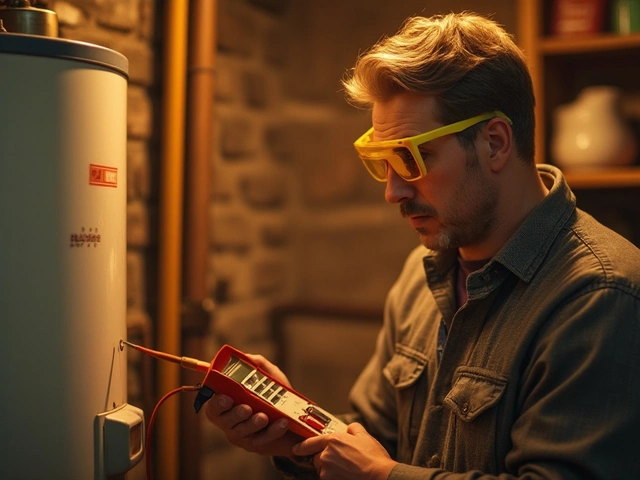
Diagnosing a faulty hot water heater element can seem daunting, but it's an essential skill for any homeowner. Key indicators like water temperature issues, noises, and prolonged heating cycles are telltale signs of a bad element. This article provides practical advice on how to inspect and test your heater element using accessible tools. Also included are safety tips and maintenance recommendations to extend the lifespan of your water heater.