

If your microwave is acting up, the fix is often simpler than you think. A few regular chores can stop most problems before they start. Below you’ll find the most useful tips for cleaning, troubleshooting, and caring for your microwave so it stays reliable and safe.
First, notice the signs. If the turntable won’t spin, the door stays ajar, or the food heats unevenly, you’re probably looking at a minor fault. For a stuck turntable, remove any food residue and make sure the tray sits flat on the carousel. A misaligned door latch can be nudged back into place; just check the metal catches inside the frame.
Uneven heating often means the microwave’s waveguide cover is dirty. Pull the cover out (it’s usually a small plastic or metal piece on the interior wall) and wipe it with a damp cloth. Avoid abrasive cleaners – they can damage the coating.
If the microwave smells burnt after a cooking cycle, the magnetron may be overheating. Turn it off, let it cool, and clean any food splatters inside. A persistent smell or sparking means you should call a professional; the magnetron is a costly part to replace yourself.
Cleaning is the easiest way to prevent most issues. After each use, wipe the interior with a soft, damp cloth. For stubborn stains, heat a bowl of water with a slice of lemon for two minutes, then wipe the walls. The steam loosens grime, and the lemon leaves a fresh scent.
Never run the microwave empty. An empty cavity can cause the magnetron to overheat, shortening its lifespan. If you need to heat something quickly, always place a cup of water inside – it absorbs excess energy and protects the unit.
Keep the vents clear. Dust and lint can block airflow, causing the appliance to run hotter than normal. Use a vacuum or a dry brush to clean the vent openings on the back or sides of the microwave every few months.
Finally, check the power cord regularly. Look for cracks, fraying, or exposed wires. A damaged cord is a safety hazard and can cause the microwave to malfunction. If you see any damage, replace the cord or have a qualified electrician do it.
By following these simple habits, you’ll avoid most breakdowns and keep your microwave efficient for years. Remember, if a repair feels beyond a quick clean‑up, it’s safer and cheaper in the long run to call an experienced technician.

Microwave suddenly dead? It might be the fuse. This article breaks down the real cost of repairing a microwave fuse—parts, labor, hidden fees, and whether you should DIY. You'll get practical tips on when to call a pro, what brands cost more, and how to avoid common mistakes. A straightforward guide to help you fix your microwave without overspending.
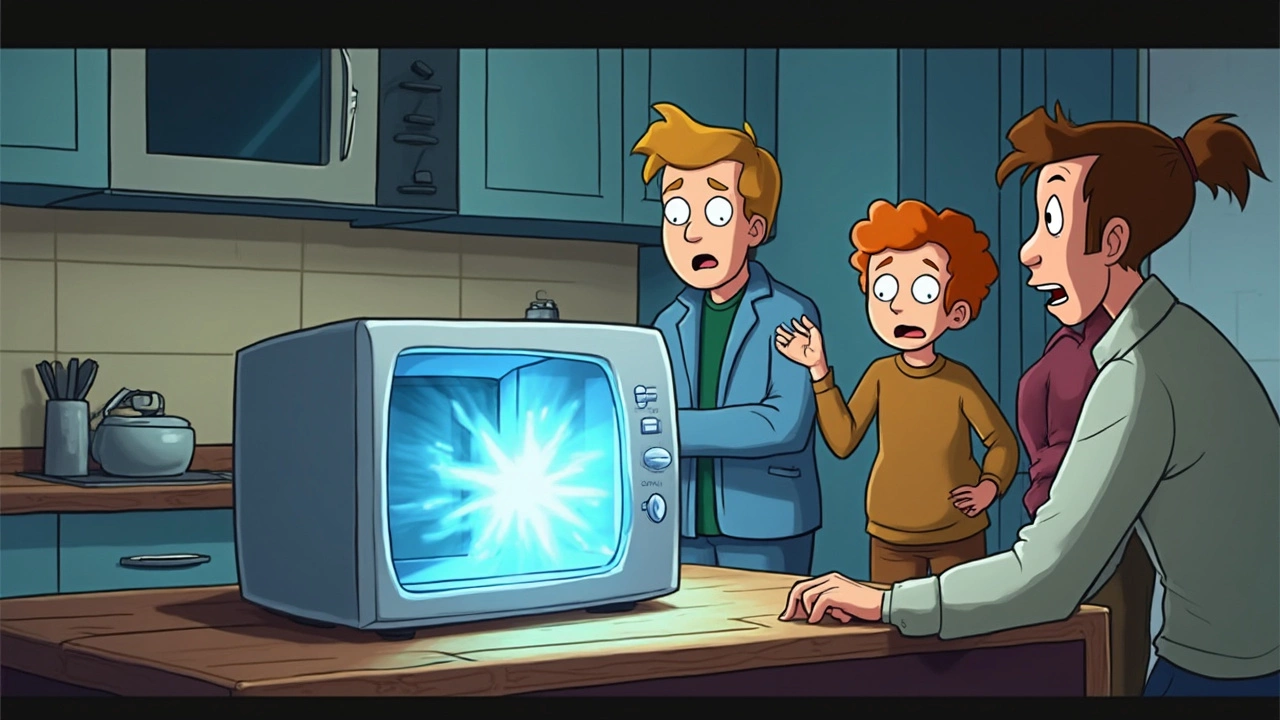
When your microwave starts making strange noises or fails to heat your food, it might be time to think about the magnetron. It's like the heart of your microwave, but is it worth the trouble to replace it or should you just buy a new one? This article explores the costs, benefits, and the nitty-gritty of magnetron replacement, throwing in some pro tips to help you make the right decision.

Microwaves are essential in modern kitchens, but when they break down, deciding whether to repair or replace them can be tricky. This article explores the factors that influence repair decisions, common microwave issues, and when it's more economical to buy a new one. It also offers tips on maintaining your microwave to prevent future problems. Understand the costs involved and make an informed choice on your kitchen appliances.

Microwave ovens, essential kitchen appliances for many households, can sometimes fail to operate smoothly. This article dives into the intricacies of microwave repair, exploring common issues, troubleshooting methods, and practical repair tips. Designed for both amateur DIY enthusiasts and curious individuals, the guide offers insights into understanding microwave components and determining when professional help is necessary. Learn the skills needed to fix minor problems and tips to maintain the efficiency of your microwave.
If you've ever found yourself wondering whether your freezer is on the fritz, you're not alone. Identifying the warning signs of a broken freezer is crucial in preventing food spoilage and costly repairs. This article delves into the common symptoms of a faulty freezer, how to troubleshoot these issues, and when to call a professional for help. Equipped with practical tips and insights, you'll be better prepared to ensure your frozen goods remain safe and your appliance functions efficiently.

Wondering if it's worth repairing your electric oven or if you should just buy a new one? This article dives into the factors to consider, from cost effectiveness to the age of your appliance, helping you make an informed decision. We'll discuss common issues that can be fixed, when to call in a pro, and some smart tips to extend the lifespan of your oven. By the end, you'll know whether fixing or replacing is the better choice for your situation.

Repairing a gas oven might seem daunting, but it's often worth the effort. This article explores when it's practical to repair versus replace, common issues, and cost-effective solutions. Learn helpful tips, find out if it’s a DIY fix, and consider important safety aspects. Discover how to make an informed decision that saves money and hassle.

Wondering if you can still use your oven with a broken heating element? This article breaks down what actually happens when the heating element fails and what your options are. Learn about safety concerns, possible workarounds, and when it’s smarter just to fix it instead of limping along. Get tips on recognizing a bad element and ideas for a cheap, fast repair. Find out what really works and what won’t, straight from someone who’s fixed more than a few ovens themselves.
Deciding whether to repair an electric oven after five years can be tricky, especially with advancing technology and evolving household needs. This article explores the practical aspects of oven repair, including cost-benefit analyses, common issues, and DIY tips to help inform your decision. By understanding key factors like repair costs versus replacement options, you can make an informed choice. Learn how to assess the condition of your oven and get tips on when professional help might be needed.