

If your microwave stops heating, clicks, or won’t turn on, the culprit is often a blown fuse. The fuse is a tiny safety part that cuts power when something goes wrong, protecting the rest of the appliance. Knowing how to check and replace it saves you a service call and gets the kitchen back in action fast.
Microwaves generate high voltage to heat food. If the magnetron or a wiring connection overheats, the fuse melts to stop the surge. Common causes are a faulty door latch, a shorted high‑voltage capacitor, or a worn‑out magnetron. Age and frequent use also weaken the fuse over time, so older units are more prone to failure.
First, unplug the microwave. Remove the outer casing – usually a few screws on the back or sides. Locate the fuse; it’s a small glass tube or ceramic cartridge near the power cord. Take a multimeter set to continuity or resistance. Touch the probe tips to each end of the fuse; a reading of zero ohms means it’s good, infinite resistance means it’s blown. If you don’t have a meter, a visual check works too – a broken filament inside the glass is a clear sign it’s bad.
Never try to test a fuse while the microwave is plugged in. The high voltage can give you a nasty shock. If you’re unsure, ask a friend to hold the plug while you work, or call a professional.
1. Gather a replacement fuse that matches the exact rating printed on the old one (usually 250V 8A or similar). Using the wrong rating can cause further damage.
2. With the microwave still unplugged, gently pull the old fuse out of its holder. Some holders have clips; press the clip, then lift the fuse.
3. Insert the new fuse, making sure the leads sit snugly in the terminals. Push the clip back into place if there is one.
4. Reassemble the outer case, secure the screws, and plug the microwave back in.
5. Turn the microwave on and test a simple heating function. If it works, you’ve solved the problem; if not, another component may be faulty.
Replacing a fuse usually takes under 15 minutes and costs less than £10 for the part. Keep a small box of spare fuses on hand if you have an older microwave that tends to blow them often.
When the fuse keeps blowing after replacement, stop and call a qualified repair technician. Repeated fuse failures point to a deeper electrical issue that needs professional diagnosis.
In summary, a microwave fuse is a cheap, easy‑to‑replace safety part. Test it with a multimeter, swap in the correct rating, and you’ll often have your microwave humming again in no time. Keep safety first: always unplug, use the right tools, and don’t guess on ratings. With a little know‑how, you can avoid costly service calls and keep meals ready when you need them.
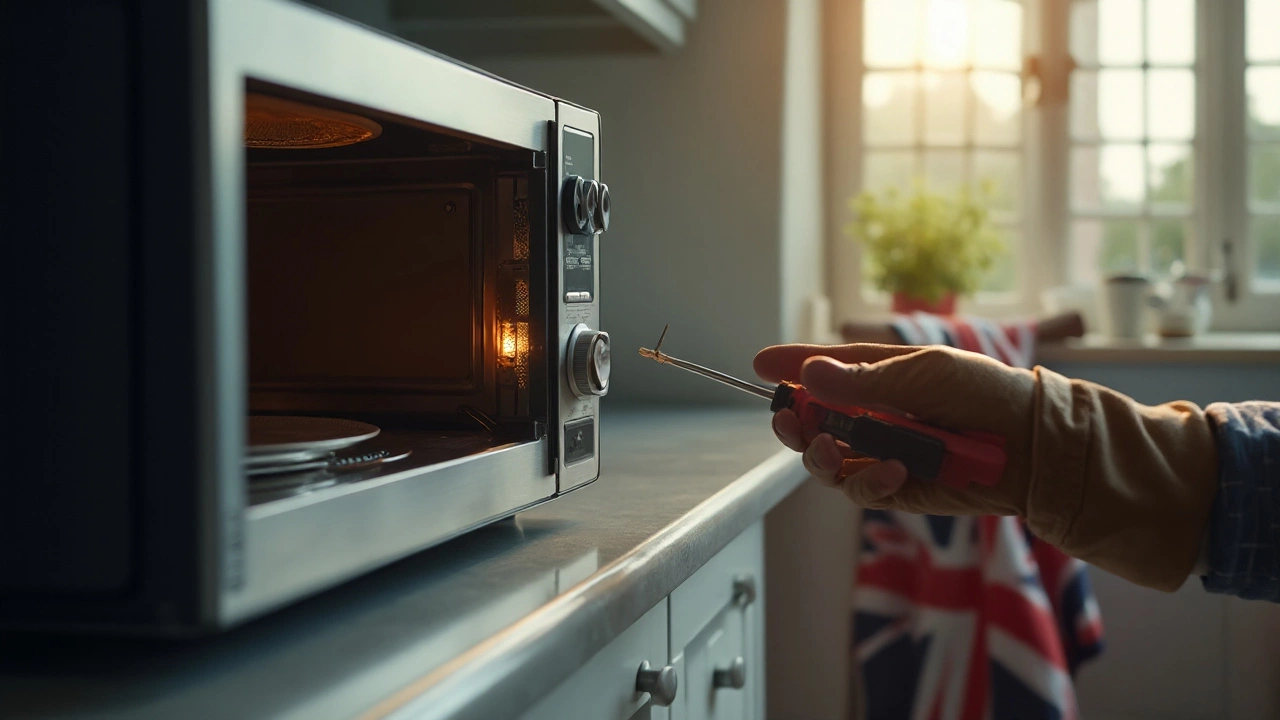
Learn fast how to spot a blown microwave fuse, test it safely, and replace it yourself. Step‑by‑step instructions, tools needed, and common pitfalls covered.

Discover how to ensure your water heater is in proper working condition with this detailed guide. Learn to identify signs of malfunction, perform essential maintenance tasks, and understand common issues that may arise. Whether it's electric or gas, having a reliable water heater is crucial for every home. Keep your heater running smoothly with practical and safety-focused advice.
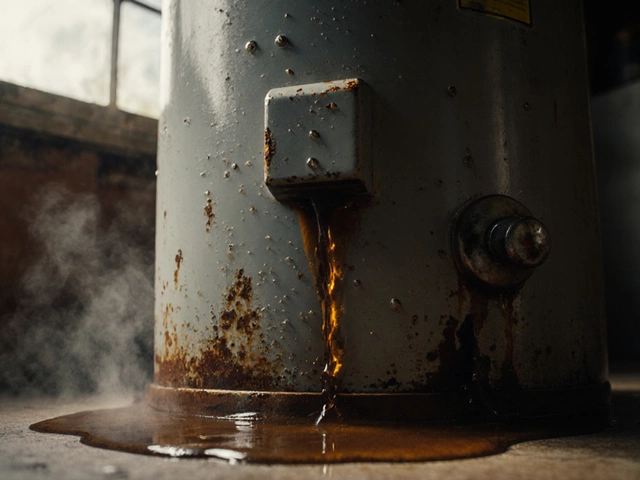
Most water heaters fail due to tank corrosion, heating element burnout, or sediment buildup. Learn the top failure points and how to spot them early to avoid costly repairs or floods.

Watch for rusty water, leaks, strange noises, or no hot water-these are clear signs your water heater is failing. Age, higher bills, and bad smells mean it’s time to replace it before it breaks down.

Resetting a water heater might seem simple, but it involves precaution. This article delves into when and why a reset might be necessary and explores the safety considerations involved. Learn about common signs that indicate a reset is due and the correct way to carry out this task. Discover the underlying causes of water heater issues to prevent future resets.

Extractor fans are essential for maintaining air quality in enclosed spaces like kitchens and bathrooms. When these fans break down, they can lead to moisture buildup and unpleasant odors. This guide offers practical advice on fixing a broken extractor fan, providing step-by-step instructions that any homeowner can follow. Learn how to diagnose common issues and the tools needed to restore your fan to working order.