

If you love cooking, a reliable oven is a must. The good news is you don’t need a pricey upgrade to make it last. A few daily habits, regular checks and smart fixes can add years to your oven’s life.
First, keep the interior clean. Food splatters can build up and affect heating. Wipe spills while the oven is still warm using a soft cloth and mild cleanser. Avoid harsh chemicals that could damage the coating.
Check the door seal every month. A cracked or loose gasket lets heat escape, forcing the oven to work harder. If you feel cool air around the edge, replace the seal – it’s cheap and easy.
Don’t slam the door. Gentle closing keeps the hinges aligned and prevents premature wear. Also, avoid placing heavy pots on the oven door; the glass can crack under pressure.
Use the right temperature for the job. Running the oven at an extreme setting for small dishes wastes energy and stresses the heating element. If you’re only reheating, a low‑heat setting does the trick.
Schedule a quick self‑check before each big bake. Turn the oven on for a few minutes, listen for odd noises, and make sure the lights work. Spotting a rattling fan or flickering light early saves a costly repair later.
Even the best DIY care can’t fix everything. If your oven won’t heat, the heating element might be burned out. Swapping an oven element yourself is doable if you’re comfortable with basic tools; just unplug the oven, remove the old part, and snap in the new one. Watch out for broken wires and make sure the new element matches the model.
Thermostat issues are trickier. A faulty thermostat can cause uneven cooking or no heat at all. A professional will test the sensor and replace it if needed. Trying this yourself without proper knowledge can risk electric shock.
When you notice a persistent strange smell, smoke, or the oven turns off mid‑cycle, it’s time to call an expert. These signs often point to wiring problems or a failing control board – both require a qualified technician.
Regular service visits, about once a year, keep the oven’s internal components greased and free of dust. A tech will clean the fan, check the gas valves (for gas ovens) and tighten any loose bolts. This preventative step can catch early wear before it turns into a breakdown.
Bottom line: keep the interior tidy, watch the door seal, use sensible temperatures and do a quick pre‑bake check. When you run into heating element failures or odd noises, decide whether you feel confident fixing it yourself or prefer a pro. With these habits, your oven will stay reliable for years, saving you both time and money.

Choosing an oven that stands the test of time goes beyond looks and price. This article delves into which oven brands are celebrated for their durability. We'll explore how build quality, materials, and innovative technologies play a role in longevity. Plus, you’ll get insider tips on maintaining your oven for years to come. Discover how to make a smart choice today that benefits you tomorrow.
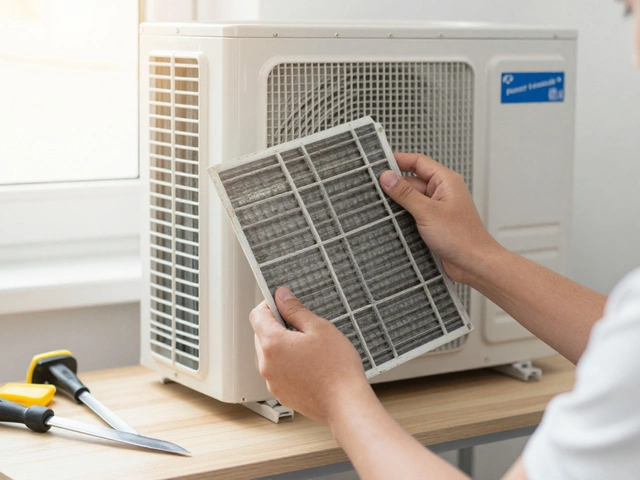
You can fix some heat pump issues yourself - like dirty filters or tripped breakers - but refrigerant leaks, compressor failures, and electrical problems require a professional. Know the limits before you try a DIY repair.
Explore whether you can live without an extractor fan, covering UK regulations, health risks, passive ventilation tricks, dehumidifier use, and when a mechanical fan becomes essential.
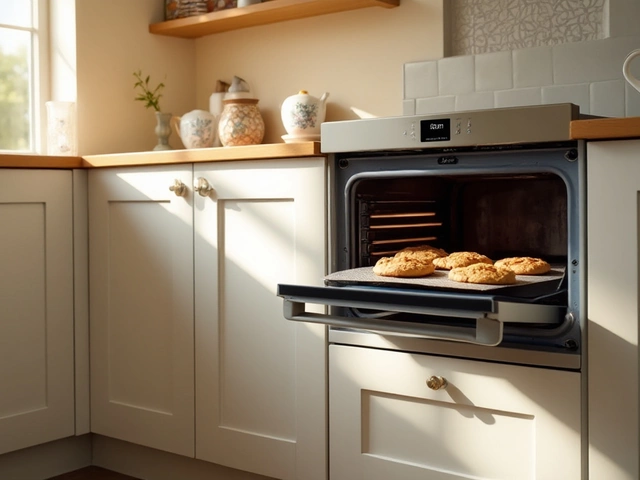
An electric oven is a staple in most kitchens, used for everything from baking cookies to roasting savory meals. Knowing how long an electric oven is expected to last can help homeowners budget and plan for replacement or repairs. This article explores the average lifespan of electric ovens, factors influencing their durability, and tips on maintenance to extend the life of the appliance. Understanding these aspects will aid in maximizing the utility and performance of your oven.
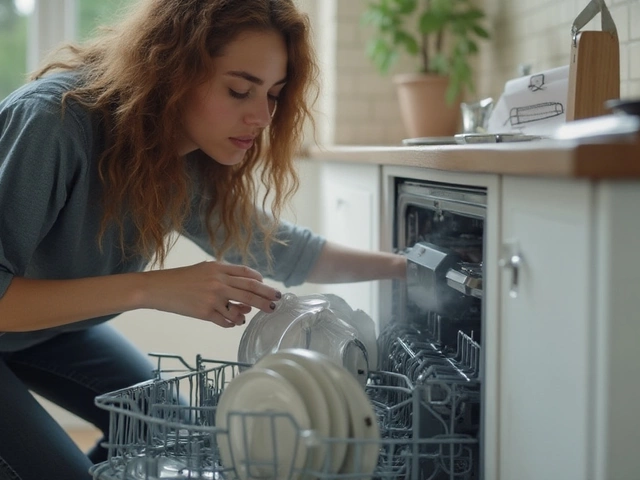
Determining whether your dishwasher requires repair or replacement can save you both time and money. This article guides you through recognizing common issues, assessing the efficiency of your current dishwasher, and deciding on repair versus replacement. Gain insights into the lifespan of dishwashers and learn handy tips for maintaining them. Make well-informed decisions about your kitchen appliances for a hassle-free experience.
Learn fast how to spot a blown microwave fuse, test it safely, and replace it yourself. Step‑by‑step instructions, tools needed, and common pitfalls covered.