

If your oven starts acting up, you don’t have to toss it straight away. A few easy habits can add years to its life and save you money. Below are the most useful steps you can take today.
Food splatters and grease build‑up act like insulation, so the oven works harder and wears out faster. Wipe the interior with a damp cloth after each use and do a deeper clean every few months. Use a mild dish‑soap solution or a commercial oven cleaner, but avoid abrasive pads that can scratch the enamel.
Don’t forget the door gasket. A cracked or dirty seal lets hot air escape, forcing the heating element to run longer. Check it for tears and wipe it clean with a soft brush. If it’s warped, replace it – it’s a cheap part that makes a big difference.
Both electric and gas ovens rely on heating elements that can degrade over time. Look for dark spots, cracks, or a dim glow when the oven is on. If an element looks worn, swapping it out yourself can be a quick fix and prevent uneven cooking.
Most ovens have two elements – one at the top (broiler) and one at the bottom (bake). When one fails, the other often still works, so you can keep cooking while you order a replacement. Keep a basic screwdriver set and the correct element model on hand; many retailers sell them for under £30.
Beyond cleaning and elements, a few habits keep the whole system healthy. Always pre‑heat as recommended – under‑heating stresses the thermostat. Avoid slamming the door; the hinges can loosen and cause alignment problems.
When you hear strange noises, like buzzing or clicking, it usually points to a failing thermostat or a loose wire. Turn off the oven, unplug it, and give the interior a quick visual check. Tighten any loose screws and make sure the wiring isn’t burnt. If you’re uncertain, it’s safer to call a professional – a quick service call can stop a small issue from becoming a big repair bill.
Finally, keep the oven level. An uneven oven can cause heat to pool in one spot, wearing the heating element unevenly. Use a spirit level on the oven frame; adjust the feet if needed.
By following these simple steps – regular cleaning, gasket care, element checks, and basic troubleshooting – you’ll squeeze many extra years out of your oven. You’ll enjoy consistent cooking results, lower energy bills, and fewer surprise breakdowns. And when a real problem pops up, you’ll know exactly what to look for, making any professional visit quicker and cheaper.

Wondering if your oven can hit the 20-year mark? This article digs into what really decides how long an electric oven lasts, from the make to how you treat it. Get real tips to keep yours running strong, spot early signs of trouble, and find out when repair is smarter than replacement. No fluff—just straight answers for anyone looking to save money and avoid surprise oven breakdowns. This is your guide to squeezing every last year out of your electric oven.

Electric ovens are handy, but they're not immune to problems. This article breaks down the most common faults people face, from ovens not heating properly to strange noises and error codes. You’ll get real tips on troubleshooting and signs when it’s time to call in the pros. Save time (and maybe some frustration) by knowing what to look out for. Find out why your oven might let you down and how to deal with it.

Resetting a water heater might seem simple, but it involves precaution. This article delves into when and why a reset might be necessary and explores the safety considerations involved. Learn about common signs that indicate a reset is due and the correct way to carry out this task. Discover the underlying causes of water heater issues to prevent future resets.
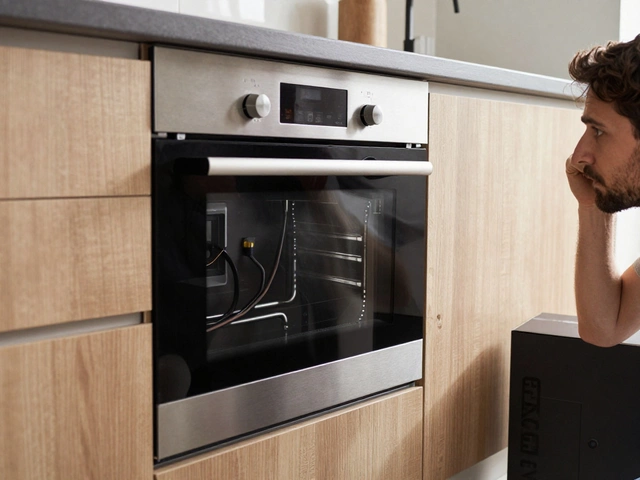
Find out if you need a professional electrician to replace your electric oven in the UK. We cover Part P regulations, DIY risks, costs, and safety steps to help you decide.

Ready to buy a new dishwasher? Check this guide for 2025's most unreliable dishwasher brands, stories you won't believe, and tested buying tips no one else will give you.

Want to know how much Geek Squad at Best Buy will charge for fixing your laptop? This article breaks down their pricing and services, so you know exactly what to expect before you hand over your device. You'll learn what affects the cost, whether a protection plan is worth it, and get the lowdown on real-life repair scenarios. Plus, there are tips to help you save some cash or avoid common headaches. No tech jargon or fancy lingo—just straight answers.