

Most people assume a boiler will keep heating their home forever, but the average unit starts to show trouble after 10‑15 years. The good news? A few smart choices and regular habits can push that number well beyond the norm.
First off, look for a model that uses high‑quality steel or copper components. Those metals resist corrosion and handle pressure spikes better than cheaper alloys. Reputable brands often back their units with longer warranties – a clear sign they trust their own engineering.
Proper sizing is another hidden factor. An oversized boiler runs on short cycles, which wears out parts faster. A correctly sized unit runs longer, steadier cycles, saving energy and reducing wear.
Finally, consider the service network. A boiler that a local, Gas Safe‑registered engineer can easily access will get quicker fixes, keeping it out of the breakdown loop.
1. Annual service. A qualified technician will check the heat exchanger, gas pressure, and safety valves. This visit catches early rust or leaks before they become costly failures.
2. Keep the system clean. Flush the radiators every two to three years to remove sludge that blocks water flow. A clean system runs cooler and reduces strain on the pump.
3. Watch the pressure. Ideal pressure sits between 1 and 1.5 bar when the system is cold. Anything higher can damage seals; anything lower means the pump works harder.
4. Bleed radiators. Air pockets make radiators noisy and uneven. A quick bleed with a key restores even heat distribution and eases the boiler’s workload.
5. Check the thermostat. An outdated or mis‑calibrated thermostat tricks the boiler into running longer than needed. Replacing it with a modern programmable unit can cut run‑time and wear.
6. Mind the water quality. Hard water leaves mineral deposits on internal parts. Installing a magnetic water filter or using a gentle descaler annually helps keep the heat exchanger clear.
When you notice any of these warning signs – strange noises, a sudden drop in hot water, or a pilot that won’t stay lit – call a professional right away. Ignoring them often leads to a full breakdown that could have been a cheap repair.
If repair costs climb above half the price of a new boiler, replacement usually makes more sense. New models now boast higher efficiency, which means lower energy bills and a longer warranty.
Bottom line: choosing a solid brand, matching the size to your home, and sticking to a simple maintenance routine are the three pillars of a long‑lasting boiler. A little attention now saves you heat loss, expensive calls, and a cold shower later on.

Boilers are the unsung heroes of many homes, tirelessly keeping us warm through the coldest months. But how long can these mighty machines really last? This article delves into the factors affecting boiler lifespan, maintenance tips for longevity, and whether hitting the five-decade mark is realistic. Learn about the signs of wear and when it might be time for an upgrade.

Discover how much boiler service costs in 2025, what affects the price, what's included, and tips to save money while keeping your heating safe and reliable.
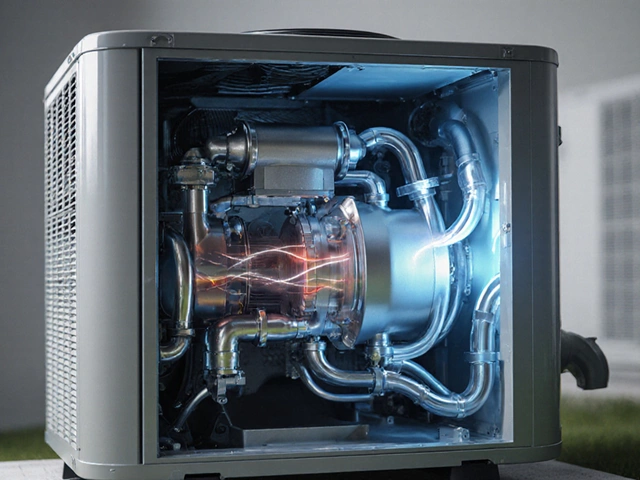
Find out the 2025 price range for heat pump compressors, what factors affect cost, how to get accurate quotes, and whether DIY or professional installation is best.
A short summary for the article based on the topic. You need to write a summary with up to 5 sentences or 160 symbols that covers the provided topic. Try to write the most human text.

Fixing an extractor fan can be a straightforward process if approached with the right tools and knowledge. This article delves into various factors affecting repair time, common issues encountered, necessary tools, and preventive tips to maintain optimal performance. Readers will discover useful advice on diagnosing problems and learn how to efficiently address and resolve them, ensuring a smooth and fresh airflow in kitchens and bathrooms.
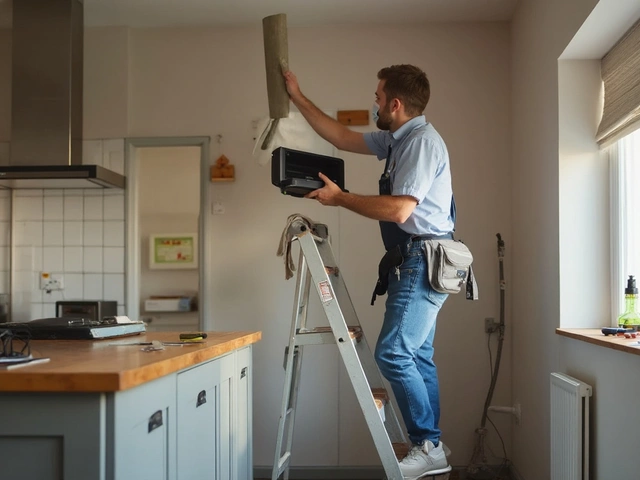
Wondering if you can swap out an extractor fan without calling in a pro? This article breaks down what it really takes to replace an extractor fan yourself, from the easy steps to watch-outs that could trip you up. Learn which tools you’ll need, how to stay safe with electricity, and where to draw the line and call an expert. Get helpful tips and facts straight from a practical perspective. Perfect for anyone ready to tackle a home repair without risking their safety or their ceiling.