

If you’ve ever seen a chalky film inside a kettle or on a showerhead, you’ve met limescale. It’s mineral deposits left behind when hard water heats up or sits still. The white crust isn’t just ugly – it can clog pipes, lower heating efficiency, and shorten the life of appliances like washing machines, dishwashers, and boilers. The good news? You don’t need a PhD to get rid of it, and you can keep it from coming back.
Hard water contains high levels of calcium and magnesium. When the water is heated or evaporates, those minerals settle out and create a hard layer. The hotter the water, the faster the deposits build up. That’s why kettles, coffee makers, and water heaters see the most limescale. Over time, the layer acts like insulation, making the appliance work harder and use more energy. It also narrows water flow, leading to slower rinses or weaker spray in dishwashers.
First, tackle what you already have. A 1:1 mix of white vinegar and water works wonders on most surfaces. Fill the kettle, run it to a boil, then let it sit for 30 minutes before rinsing. For showerheads, soak the fixture in a bag of vinegar overnight and then scrub off the residue. If you prefer a citrus smell, lemon juice does the same job – just apply, wait, and rinse.
When vinegar isn’t enough, commercial descaling products are available. Look for ones that list citric acid or sulfamic acid as the active ingredient. Follow the label, usually a short soak or a quick run‑through, then flush with clean water.
Prevention saves you time and money. Installing a water softener or a point‑of‑use filter reduces the mineral load before it reaches your appliances. If a full system is out of budget, use a cheap inline filter on the kettle tap or the washing machine inlet. Regular maintenance also helps – run an empty hot cycle with a cup of vinegar in your dishwasher once a month, and flush the washing machine with a hot water cycle and a splash of vinegar every few weeks.
Don’t forget the small things. Wipe down taps and showerheads after each use to stop droplets from drying into scale. Keep the rubber seal of your washing machine door clean and dry, as moisture encourages mineral buildup.
Finally, watch the signs. A slower filling kettle, a whistling but not heating boiler, or a cloudy glass of water can all point to rising limescale. Catching it early means you’ll only need a quick clean, not a costly part replacement.
Bottom line: limescale is a common nuisance, but with a few simple habits – vinegar soaks, regular descaling runs, and a basic water softening step – you can keep your appliances running smoothly and your energy bills down.
Wondering if you can flush your water heater yourself? Learn the step-by-step process, tools you'll need, and expert tips to extend your water heater's life.
If you've ever found yourself wondering whether your freezer is on the fritz, you're not alone. Identifying the warning signs of a broken freezer is crucial in preventing food spoilage and costly repairs. This article delves into the common symptoms of a faulty freezer, how to troubleshoot these issues, and when to call a professional for help. Equipped with practical tips and insights, you'll be better prepared to ensure your frozen goods remain safe and your appliance functions efficiently.
Replacing an oven element costs £80-£150 professionally or £15-£40 for DIY parts. Learn when to repair vs. replace, how to choose an engineer, and tips to extend your oven's life in our 2026 guide.
Discover why hot water reaches your sink but not the shower, learn the common causes, DIY fixes, and when to call a plumber for a reliable solution.
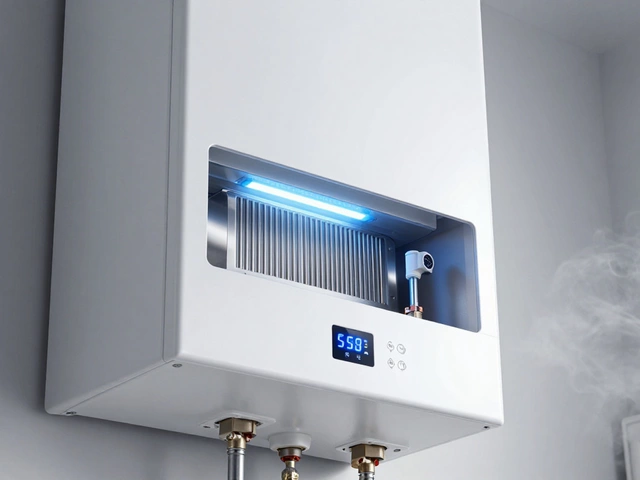
Discover the average lifespan of gas boilers, cookers, and fires. Learn key signs of aging appliances, maintenance tips to extend life, and when to replace for safety and efficiency.
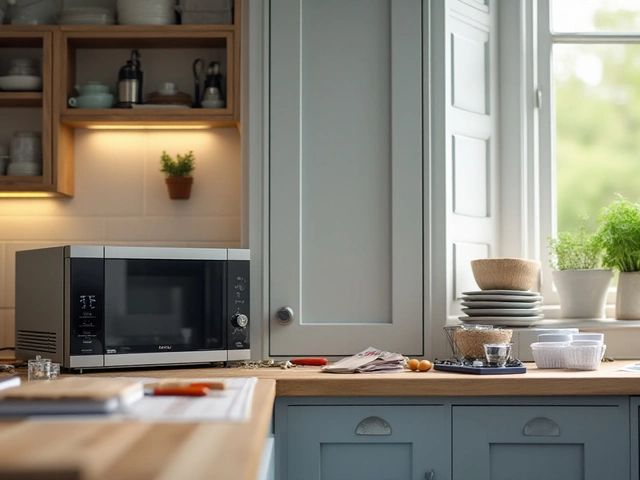
Microwaves are essential in modern kitchens, but when they break down, deciding whether to repair or replace them can be tricky. This article explores the factors that influence repair decisions, common microwave issues, and when it's more economical to buy a new one. It also offers tips on maintaining your microwave to prevent future problems. Understand the costs involved and make an informed choice on your kitchen appliances.