

When you walk into a kitchen, you expect a fridge humming, a stove sizzling, and a dishwasher humming away. Step into a bathroom, and the vibe shifts to a shower steaming, a toilet flushing, and a small extractor fan whirring. Both rooms need appliances, but they’re built for very different jobs. Understanding those differences helps you pick the right gear, keep it running longer, and avoid costly repairs.
Kitchen appliances face heat, splashes, and occasional spills. That’s why manufacturers use stainless steel, tough glass, and heat‑resistant plastics. A fridge door opens and closes dozens of times a day, so hinges and seals are reinforced. In the bathroom, moisture is the main enemy. Extractor fans, electric shavers, and towel warmers are coated with anti‑rust treatments, and any electrical component must meet strict water‑resistance ratings.
Take the extractor fan as an example. In the kitchen it pulls out cooking fumes; in the bathroom it removes steam. Both need regular cleaning, but the bathroom fan typically sees more condensation, so swapping it out every 5‑7 years can prevent mold buildup. Our guide on "Extractor Fan Replacement" explains the signs you need a new one, whether it’s in the kitchen or bathroom.
Kitchen gear often draws more power. An electric oven or a hob element can chew through 2,000‑3,000 watts, so you’ll find dedicated circuits and sturdy plugs. Bathroom appliances stay on the lower end – think electric shavers (under 150 watts) or a heated towel rail (around 1,000 watts). Because of the wet environment, bathroom outlets are required to have RCD protection, limiting shock risk. If you ever wonder, “Can an electrician fix my electric oven?” the answer is yes, but the same pro will also check your bathroom wiring for safety.
Maintenance habits also differ. A kitchen oven will need periodic element checks – our "Replace Oven Element" guide walks you through that. Meanwhile, a bathroom water heater benefits from annual flushing, as described in "How Often Should You Flush Your Water Heater?" Doing both keeps performance steady and cuts down on surprise breakdowns.
So, what should you keep in mind when buying? For kitchens, prioritize energy‑efficient models with good insulation – they’ll save on bills and stay cooler. For bathrooms, look for IP‑rated (water‑proof) devices and make sure any electric work follows local safety codes.
Bottom line: the room dictates the appliance design, power needs, and care routine. By matching the right product to the right space, you’ll enjoy smoother operation, fewer repairs, and a home that feels just right. Need help deciding? Our experts at Bognor Regis Appliance Repair Experts can give you a quick call‑out to assess any kitchen or bathroom gear and set you on the right path.

Struggling with hot water inconsistencies between your kitchen and bathroom? This article explores the causes behind such issues, including plumbing layout and water heater problems. Learn valuable tips for diagnosing and fixing these common household headaches. Discover practical solutions that can save you from cold showers and confusing hot water scenarios. Understand how simple tweaks or professional guidance can restore your home's balanced hot water supply.
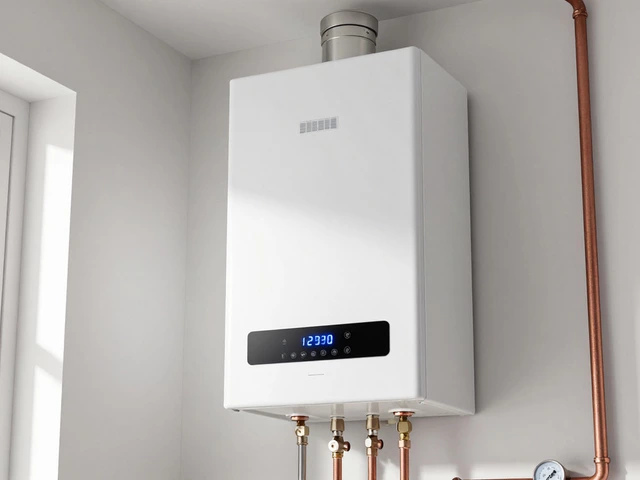
Discover why annual boiler servicing is essential for safety and efficiency. Learn what to expect during a check, warning signs to watch for, and how to save money on energy bills.
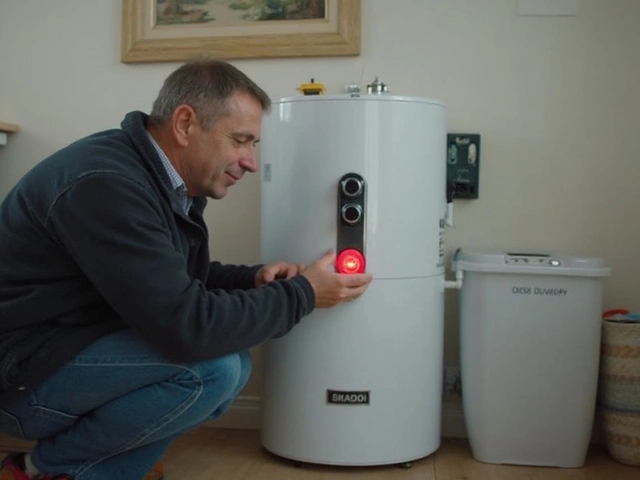
Ever wondered why you end up pushing that red reset button on your water heater over and over? This article digs into exactly what the reset button does, why it keeps tripping, and what can go wrong if you keep hitting it. Get clear answers about hidden water heater issues and learn simple steps to protect your system—and your wallet. We’ll walk you through warning signs, smart troubleshooting tips, and when it’s time to call a pro. No tech jargon, just straight talk for anyone tired of cold showers.
Thinking about whether to repair an 8-year-old oven? This article digs into the real costs and benefits, from repair bills to how long ovens actually last. You'll get tips on diagnosing simple issues yourself, signs to look for before calling a pro, and how energy efficiency compares between old and new models. See how warranties, brand reputation, and parts availability impact the final call. Get advice that’s practical, straight-up, and doesn’t waste your time.
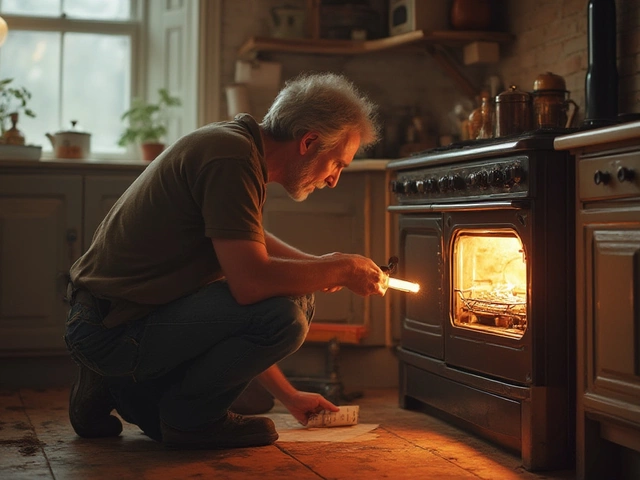
Got a cold oven? Learn if you can swap that faulty heating element yourself, what tools you'll need, and exactly what to watch out for. Easy fixes, with real-life tips.
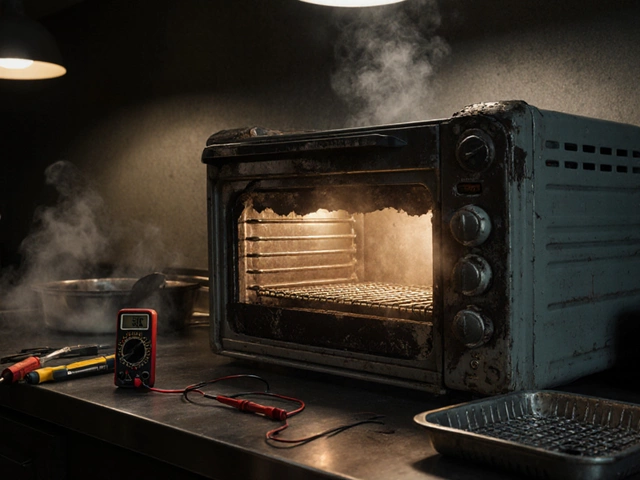
If your electric oven isn't heating, it's usually due to a broken element, faulty thermostat, or blown thermal fuse. Learn how to diagnose and fix the most common causes quickly and safely.