

Cooking should be enjoyable, not hazardous. A few simple habits can stop burns, cuts, and fires before they happen. Below are the everyday moves that make a big difference.
Never walk away from a hot stove or oven. If you need to leave the kitchen, turn the burner off. Keep pot handles turned inward so they don’t get knocked over. When you’re using a grill or a toaster oven, keep a fire‑proof mat or tray underneath to catch drips.
Check that the exhaust fan works before you start. A clogged fan can trap smoke and heat, making the space uncomfortable and risky. If you notice the fan humming loudly or not pulling air, it might need cleaning – a quick screwdriver and some brush can fix most issues.
Read the manual for any new gadget, even if it looks straightforward. For electric hobs, make sure the element matches the size of the pan – a small pan on a large burner overheats quickly. If an element looks cracked or discolored, replace it before it fails.
When a fridge stops cooling but the light stays on, the problem is often the condenser coils. A vacuum cleaner can clear dust and improve airflow. Same with a dishwasher: a blocked spray arm can cause water to pool, leading to leaks.
Keep knives sharp and store them with blade guards or in a block. A dull blade slips more often and causes cuts. Use a cutting board that stays steady; a damp towel under the board prevents it from sliding.
These fixes are safe for most DIYers, but if you ever smell gas, see sparks, or feel unsure, call a certified professional right away.
By keeping an eye on heat sources, using appliances correctly, and tackling minor problems early, you’ll enjoy cooking without the worry of accidents. Stay safe, stay smart, and let the kitchen be a place of good food, not fire hazards.

Thinking about replacing your electric oven on your own? This article breaks down what you need to know about doing it yourself— from basic safety to common pitfalls. Learn how tricky the process can get, which tools you might need, and when it's smarter to call a pro. Get tips to save money and avoid kitchen disasters. Designed for anyone who values a good meal and a working oven.

Wondering when to replace your cooker? This article breaks down the real signs that your cooker is on its last legs, what affects its lifespan, and how to keep it running safely for longer. Get practical tips straight from real-life experience and find out how to spot issues before they turn expensive. Whether you use gas or electric, knowing when to repair or replace makes all the difference in your kitchen.

An electric oven is a kitchen essential that brings culinary magic to life, but sometimes it can start showing signs of wear and malfunction. If you notice uneven cooking, strange noises, or the oven simply won't heat, these could be indicators of a problem needing repair. Knowing the common signs can help you determine if troubleshooting is possible or if it's time to call a professional. From the thermostat issues to faulty heating elements, this guide provides insights into recognizing and addressing potential oven problems.

Considering replacing your electric oven on your own? Before you jump into action, it's crucial to understand the steps involved and the potential challenges you might face. From ensuring safety precautions to understanding the basic wiring, this article delves into what you need to know. We'll discuss not only the tools and skills required but also when it's better to call in a professional. By the end, you'll have a clearer picture of whether you should tackle this task yourself or seek expert help.
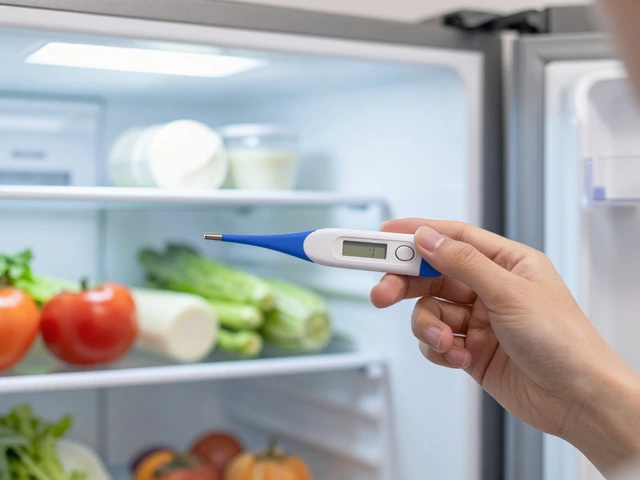
Is your fridge compressor dead? Learn how to diagnose compressor failure with simple heat, sound, and temperature tests. Save money on repairs by identifying the real issue.

Discover what makes some refrigerator repairs more costly than others. From compressor issues to electronic faults, fixing these problems can hit your wallet hard. We'll uncover why some are pricier than others and offer tips on how to avoid them. Learn about preventive measures to save you money in the long run. This guide is a must-read for every fridge owner looking to keep repair costs at bay.
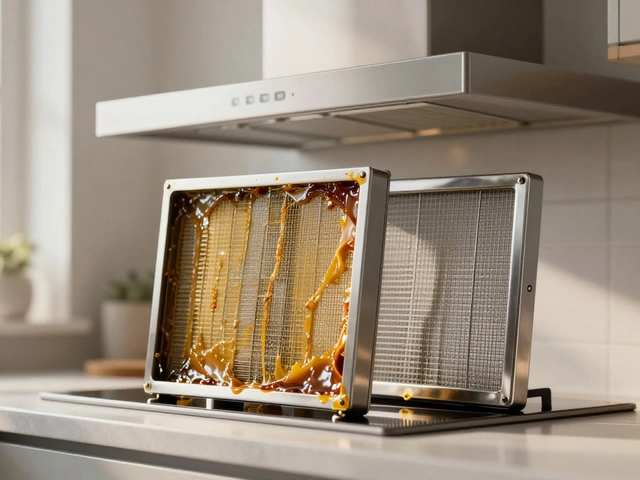
Discover how long extractor fans last, signs of failure, and when to repair vs replace. Expert tips for extending lifespan and maintaining kitchen/bathroom ventilation.