

If an oven won’t heat, a hob burner fizzles out, or the extractor fan sounds like a dying engine, you’re probably wondering whether you can fix it yourself. The good news is many common kitchen problems have easy, low‑cost solutions. The bad news is a few issues need a qualified technician to keep you safe. This guide walks you through the most frequent fixes, shows you where DIY ends, and gives solid tips to keep your kitchen appliances in good shape.
Start by checking the power supply. A tripped circuit breaker or a loose plug is the culprit in about half of non‑working appliances. Next, look at the element or burner. For electric hobs, a faulty element can be swapped out in under an hour with a screwdriver, a multimeter, and the right replacement part. The same goes for oven heating elements – just remove the old part, slot in the new one and re‑assemble.
Extractor fans often collect grease and dust, which makes them noisy or reduces airflow. Turn off the power, remove the cover, and give the fan blades a good clean with warm soapy water. If the motor hums but the fan doesn’t spin, a simple bearing lubrication or a new fan motor can restore performance.
Gas‑connected appliances, like gas hobs or built‑in ovens, are a different story. Even a small leak can be dangerous, so always call a Gas Safe registered engineer for any gas‑related repair. The same rule applies if you discover cracked wiring, burnt smells, or water damage inside the appliance – these are signs of deeper problems that need a qualified electrician or plumber.
Another red flag is repeated failure. If you’ve replaced an oven element once and it blows out again within a few months, the issue might be a faulty thermostat or control board. Professionals have the tools to diagnose these electronic faults and can advise whether repair or replacement makes more sense for your budget.
Regular maintenance can stop many repairs before they start. Clean your oven’s interior after each use, wipe down hob surfaces, and run the extractor fan monthly with a cleaning solution. A quick visual check of hoses, cords and seals each season will also spot wear early.
Bottom line: most kitchen glitches are fixable with a bit of patience and the right parts. When you’re unsure, especially with gas or complex electrical work, don’t gamble – call Bognor Regis Appliance Repair Experts. We’ll get your kitchen back to peak performance fast and safely.

When it comes to microwaves, understanding their lifespan is crucial for homeowners looking to make informed decisions about maintenance and replacement. This article delves into the essential factors that affect the longevity of microwaves, offering practical tips on extending their lifespan and recognizing when it's time for a new one. You'll learn about common signs of wear and tear, the importance of proper usage, and how regular servicing can enhance performance. Discover how to keep your microwave running efficiently and what to do when repairs are inevitable.

When your boiler breaks down, taking a comfortable shower suddenly feels like a luxury. This article explains exactly what happens to your shower when a boiler goes out, ways to still get clean, and when you should call in a professional. Learn alternative methods for washing, bust some myths about cold showers, and get tips on preventing future breakdowns. We even cover what to do if you have kids or need to keep up with fitness routines. Staying clean during a crisis isn’t impossible—you just need a bit of know-how and some creative solutions.
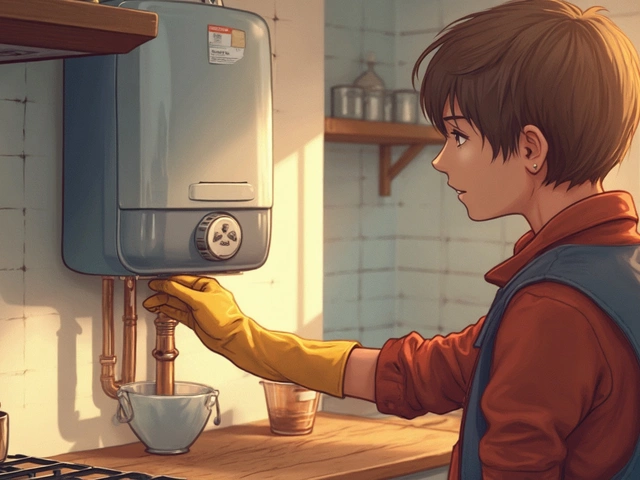
Resetting a water heater might seem simple, but it involves precaution. This article delves into when and why a reset might be necessary and explores the safety considerations involved. Learn about common signs that indicate a reset is due and the correct way to carry out this task. Discover the underlying causes of water heater issues to prevent future resets.

Thinking about replacing your old boiler but dreading the mess? This article breaks down exactly what kind of disruption to expect during a boiler swap. Find out what typically gets messy, which steps are surprisingly neat, and how you can prep your space to keep chaos to a minimum. Get straightforward tips to protect your home, plus the real deal on post-installation cleanup. No sugarcoating—just facts every homeowner should know before booking the job.

Boilers are the unsung heroes of many homes, tirelessly keeping us warm through the coldest months. But how long can these mighty machines really last? This article delves into the factors affecting boiler lifespan, maintenance tips for longevity, and whether hitting the five-decade mark is realistic. Learn about the signs of wear and when it might be time for an upgrade.

Learn how to spot a malfunctioning heat pump, recognize warning signs early, and troubleshoot issues to keep your home comfortable and energy bills in check.