

Ever wonder why your hob stops heating or your extractor fan gets noisy? Most of the time it’s simple neglect, not a broken part. A few easy habits can stop small problems from becoming costly repairs.
Start with the obvious: clean the surfaces you use every day. Wipe down the electric hob after each use and keep the burners free of food debris. A quick visual check of the oven’s heating element can spot signs of wear before the oven stops heating altogether.
Extractor fans love a good cleaning. Remove the filter once a month, wash it with warm soapy water, and let it dry. If the fan sounds louder than usual, it could be a buildup of grease on the motor. A clean fan not only runs quieter but also pulls steam and odors out more efficiently.
Heat pumps, boilers, and water heaters aren’t kitchen gear, but they affect your hot water supply. Flushing the water heater every six months removes sediment that can make the heater work harder and eventually fail. The same goes for your fridge – a coil clean‑out once a year keeps it cooling properly.
When you notice an oven that won’t heat, check the element first. A broken element is cheap to replace and you can do it yourself with a screwdriver and a new part. If the element looks intact, the thermostat or wiring might be the culprit – that’s when calling a pro makes sense.
Cooking appliances also benefit from routine checks. For a dishwasher, run a short hot cycle with a cup of vinegar every few weeks to clear out limescale. For a washing machine, leave the door open after use to stop mold growth and run a cleaning cycle once a month.
And don’t forget the small stuff: tighten any loose screws on the oven door hinge, and make sure the plug sockets aren’t overheating. A loose connection can cause intermittent power loss, which can be frustrating and unsafe.
When you’re comfortable with DIY, swapping a broken hob element or an oven heating coil takes under an hour and saves a lot of money. Just unplug the appliance, note where each wire connects, and replace the part with the right size. If you’re unsure, a quick call to a local repair service can give you peace of mind and prevent a wrong part from causing more trouble.
Overall, the secret to low‑cost kitchen maintenance is staying ahead of the signs. A noisy fan, a slow‑to‑heat oven, or a fridge that’s warmer than usual are all early warnings. Treat them like a reminder to clean, inspect, and, when needed, replace a part before it breaks completely.
By making these checks part of your weekly routine, you’ll keep your kitchen running smoothly, avoid emergency repair calls, and extend the life of every appliance – from the extractor fan to the oven, hob, and beyond.

Curious if you can fix your dishwasher without calling a pro? This article breaks down the most common dishwasher problems and explains which repairs you can actually do yourself. We’ll cover how complicated these appliances really are, how to figure out what’s wrong, the tools you’ll need, and which jobs might leave you better off calling an expert. Get practical tips, interesting facts, and a clear picture of what you’re actually signing up for before grabbing that toolbox.

Struggling with an electric oven that isn't doing its job? This article guides you through common problems you might face with your electric oven, from strange noises to uneven cooking. You'll learn specific symptoms to watch for and practical ways to check what's wrong before calling a professional. Discover tips to keep your oven running smoothly and avoid kitchen headaches. No complicated jargon—just real advice that actually works.

Navigating the world of cooker repair can seem daunting, but armed with the right knowledge, it becomes manageable. This article explores common issues faced by cookers, signs that suggest whether repair is possible, and steps on how to approach fixing these vital kitchen appliances. By identifying whether a do-it-yourself fix is feasible or when to call in a professional, you can make informed decisions about your cooker. Learn about maintenance tips to prolong the life of your cooker and keep it working efficiently.

Gas cooktops are an essential part of the modern kitchen, but like all appliances, they can encounter problems over time. This article provides valuable tips and tricks on how to diagnose and repair common gas cooktop issues such as faulty igniters, uneven flames, and gas leaks. With useful insights and step-by-step guidance, even the least experienced DIY enthusiasts can potentially save money and extend the lifespan of their cooktops. If the repairs are too complex or safety is at risk, it is always advisable to seek professional assistance.
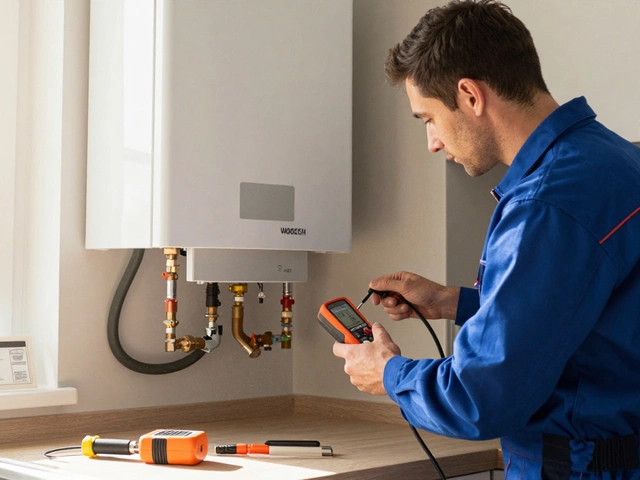
A typical boiler service takes 60 to 90 minutes, but older or neglected systems may require 2-3 hours. Regular annual servicing prevents breakdowns, improves efficiency, and keeps warranties valid. Always choose a plumber who tests gas safety and provides a written report.
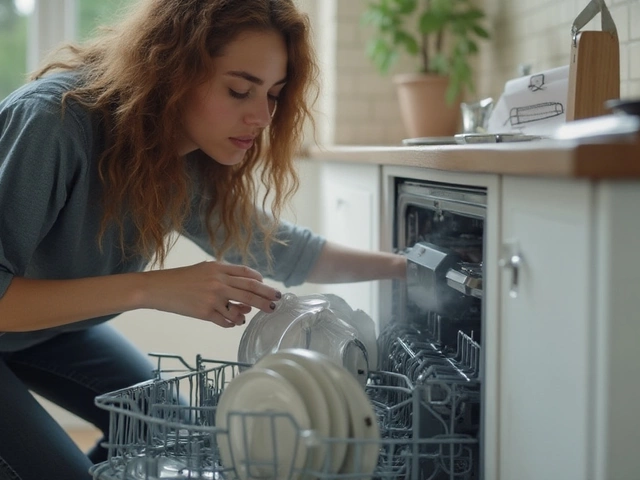
Determining whether your dishwasher requires repair or replacement can save you both time and money. This article guides you through recognizing common issues, assessing the efficiency of your current dishwasher, and deciding on repair versus replacement. Gain insights into the lifespan of dishwashers and learn handy tips for maintaining them. Make well-informed decisions about your kitchen appliances for a hassle-free experience.
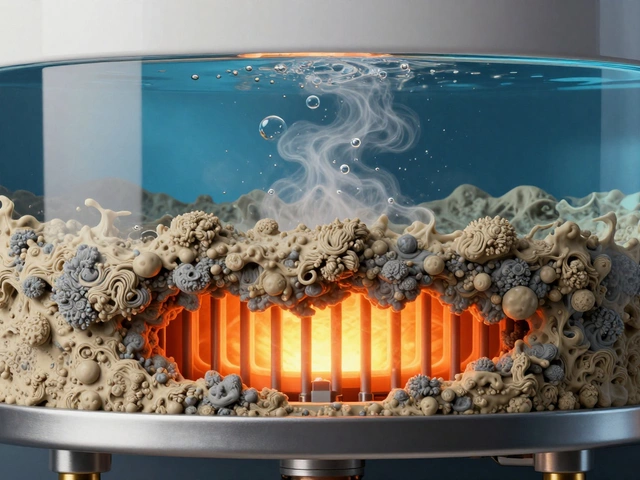
Discover the most common hot water heater problems, including sediment buildup, pilot light failures, and leaks. Learn how to diagnose issues, perform maintenance, and extend your unit's lifespan.

Boilers are the unsung heroes of many homes, tirelessly keeping us warm through the coldest months. But how long can these mighty machines really last? This article delves into the factors affecting boiler lifespan, maintenance tips for longevity, and whether hitting the five-decade mark is realistic. Learn about the signs of wear and when it might be time for an upgrade.
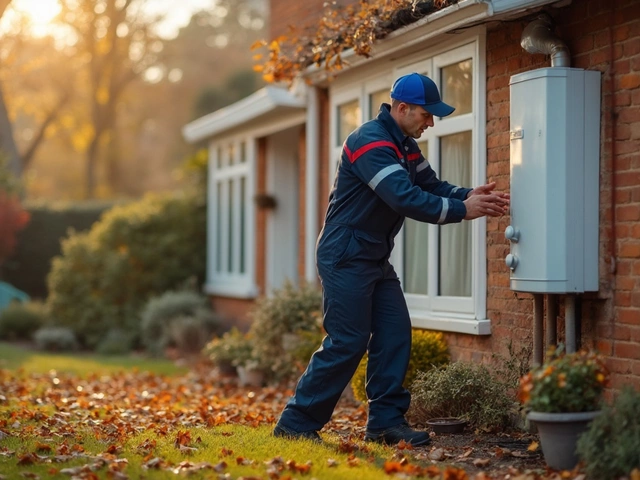
Replacing a boiler can seem like a daunting task, but knowing what to expect can make the process easier. Typically, boiler replacement involves several steps including removing the old unit, choosing the right size and type for your home, and ensuring proper installation. Skilled professionals often make the experience smoother by handling the technical aspects and minimizing disruption. Preparation and understanding of the process can help homeowners tackle this job with confidence.