

If your kitchen fan is making strange noises, blowing weakly, or just looks tired, it's time to take a closer look. A well‑working fan keeps cooking smells, steam, and grease from building up, and it helps your whole home stay fresh. Below you’ll find clear advice on spotting a failing fan, deciding whether to repair or replace, and a step‑by‑step guide for a DIY swap.
Most kitchen extractor fans last between five and ten years, but the exact lifespan depends on how often you use it and how well you keep it clean. Look for these warning signs:
When you see two or more of these signs, start planning a replacement. Replacing a fan is usually cheaper than repairing a motor that’s beyond simple fixes.
Changing a kitchen fan yourself can save you a few hundred pounds. You only need a screwdriver, a drill (if you need new mounting holes), and a new fan that matches the size of your existing duct.
If anything feels uncertain – especially the wiring – call a qualified electrician or a local fan repair specialist. They’ll have the tools and safety knowledge to finish the job quickly.
Regular maintenance can push your fan’s life further. Wipe the exterior weekly, and deep‑clean the interior every six months using a degreaser. A clean fan runs more efficiently and uses less electricity.
When you’re not comfortable doing the swap yourself, look for a tradesperson who lists “extractor fan repair” or “ventilation specialist” in their services. Electricians often handle fan wiring, while a ventilation specialist focuses on ductwork and airflow.
Bottom line: keep an eye on suction strength, noise, and smells. If the fan shows multiple issues, replace it with a matching model and follow the simple DIY steps. A fresh, clean fan will keep your kitchen smelling great and your cooking experience hassle‑free.

Thinking about swapping out your old extractor fan? This guide digs into how easy (or not) it really is to replace an extractor fan in your bathroom or kitchen. Get the lowdown on what tools you'll need, common surprises people miss, and what makes some fans trickier than others. If you're not sure when to call in a pro, we've got your back there, too. Get ready for a clear, no-nonsense breakdown.

Wondering if you actually need an extractor fan? This article unpacks whether having one is essential for your home, focusing on bathrooms, kitchens, and the impacts of poor ventilation. Get practical advice about when an extractor fan is a must, what can go wrong without one, and tips for repair and maintenance. Make sure your living space stays fresh, dry, and hassle-free. Say goodbye to foggy mirrors and damp smells.

Thinking of tackling an extractor fan installation on your own? Doing it yourself can be a rewarding project if you have the right tools and know-how. This guide breaks down the process into manageable steps, explains what to watch out for, and offers practical tips to avoid common pitfalls. You'll learn when it makes sense to go DIY and when you might need to call in a pro.

Diagnosing a faulty hot water heater element can seem daunting, but it's an essential skill for any homeowner. Key indicators like water temperature issues, noises, and prolonged heating cycles are telltale signs of a bad element. This article provides practical advice on how to inspect and test your heater element using accessible tools. Also included are safety tips and maintenance recommendations to extend the lifespan of your water heater.

Thinking about replacing your electric oven on your own? This article breaks down what you need to know about doing it yourself— from basic safety to common pitfalls. Learn how tricky the process can get, which tools you might need, and when it's smarter to call a pro. Get tips to save money and avoid kitchen disasters. Designed for anyone who values a good meal and a working oven.
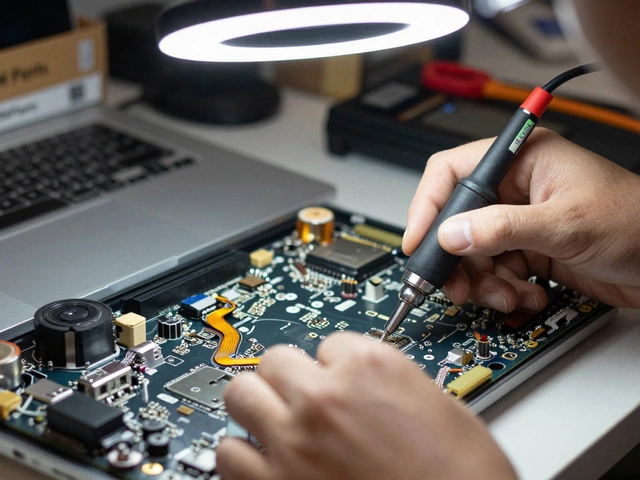
Discover why laptop repair costs have skyrocketed. From genuine parts pricing to skilled labor rates, we break down the real expenses behind every quote.

Leaving an electric oven on overnight sounds harmless, but it could spell real trouble. Learn the risks, facts, and safer options for your late-night cooking needs.
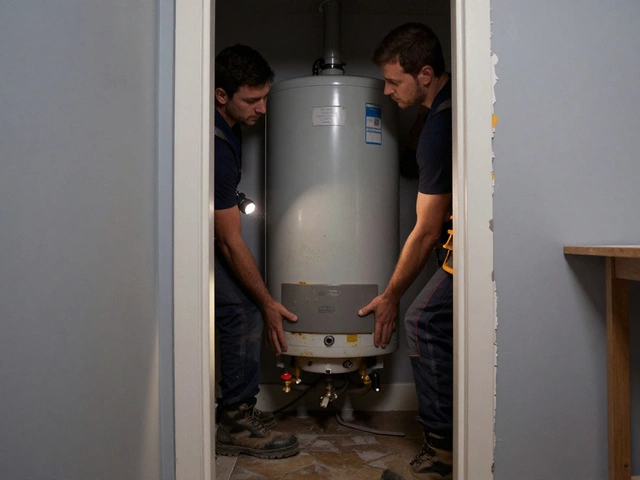
Find out exactly how long it takes to replace a water heater. We break down timelines for tank vs. tankless units, hidden delays, and installation steps to help you plan your schedule.