

If your kitchen fan is noisy, weak, or not turning on, you’re probably wondering what to do next. A good extractor fan keeps steam, smells and grease out of the air, so a faulty one can make cooking uncomfortable fast. The good news is that most problems are easy to spot and fix, and you don’t always need a pro.
First, identify the symptom. Is the fan humming but not moving air? That often means the motor is stuck or the blades are clogged. Does it stop after a few minutes? Overheating can trigger a built‑in safety switch. And if it never powers up, check the fuse or the plug before assuming the motor is dead.
Even the toughest fans wear out. Most units last 8‑12 years, but heavy use, grease buildup and humidity can shorten that. Replace the fan if you notice any of these signs:
If more than two of these issues show up, buying a new fan is often cheaper than endless repairs. New models are more energy‑efficient and quieter, so you’ll save on electricity and enjoy a calmer kitchen.
Changing a kitchen extractor fan yourself takes about an hour and a few basic tools. Here’s a quick rundown:
Most homeowners can handle these steps safely, but if the wiring looks complicated or the fan is wired into a hard‑wired circuit, call an electrician. A professional can also check that the vent duct is clear and correctly sized – a hidden blockage can ruin a brand‑new fan.
Regular maintenance makes a big difference. Wipe the grill weekly, clean the motor housing every six months, and check the duct for dust buildup. A quick vacuum or a soft brush keeps the fan running efficiently and extends its life.
When you’re ready to buy a replacement, look for a fan with a good CFM rating (cubic feet per minute) for your kitchen size, a quiet motor, and a washable filter. Many retailers also offer models with built‑in timers or humidity sensors, which can automate ventilation and save energy.
Whether you choose to repair or replace, a well‑functioning kitchen extractor fan makes cooking more pleasant and protects your cabinets from grease stains. Keep an eye on performance, clean it often, and you’ll enjoy fresh air for years to come.

Plumbers can install extractor fan ductwork, but only electricians can legally wire them. Learn who to call for safe, code-compliant installation and how to avoid costly mistakes.

This article provides a comprehensive guide on how to test and maintain your kitchen extractor fan to ensure it functions optimally. It includes practical steps for diagnosing common issues, cleaning tips to improve efficiency, and essential maintenance advice. Discover how to test airflow and electrical components safely, ensuring your kitchen remains free from unwanted odors and excess humidity. Learn valuable insights and practical tips to keep your extractor fan in top shape.

Ever wonder if switching your boiler on and off harms it? This article unpacks how boilers handle frequent power cycles, what really wears them out, and when switching off could save you cash or cause problems. Find out the best ways to run your boiler for both safety and savings. Practical tips and real facts—all in plain English. Avoid costly repairs by knowing how to treat your boiler right.

Trying to figure out if you need a ventilation fan or an extractor fan? This article breaks down the differences between the two, explains how each one works, and shares tips for choosing and maintaining the right fan for your home. You’ll also pick up advice on recognizing issues, making easy repairs, and knowing when it's time to replace. If you’ve got problems with humidity, bad smells, or stuffy air, this guide is for you.
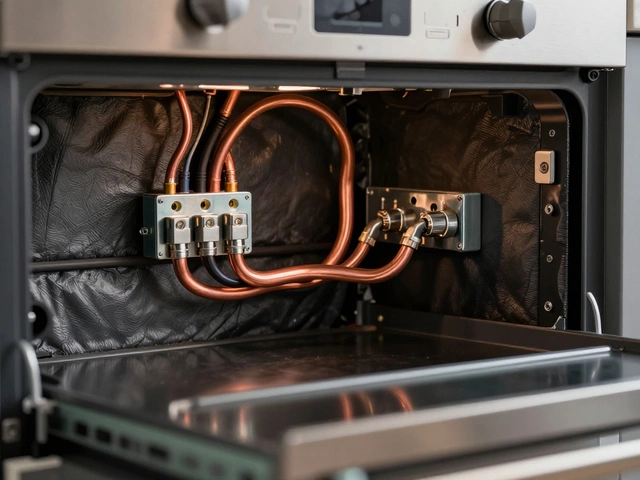
Discover whether you can replace an electric oven yourself or need to hire a professional. Learn about voltage requirements, safety risks, and legal building codes for appliance installation.

Most extractor fans can be repaired with simple fixes like cleaning, capacitor replacement, or tightening parts. Learn when DIY works and when to call a pro to avoid costly damage from damp and mold.
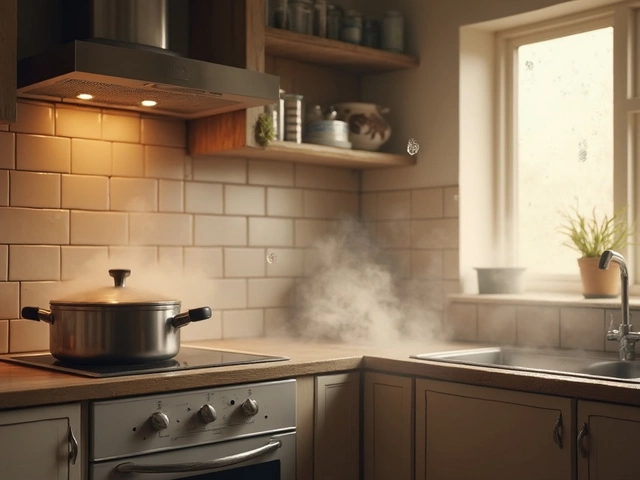
Not using an extractor fan can lead to unexpected issues in your kitchen or bathroom. From accumulating moisture and odors to potential damage over time, extractor fans play a crucial role in home maintenance. This article explores why these devices are essential, the problems that arise from neglecting them, and practical tips on proper care and repair.