

If your cooker won’t heat, your extractor fan is noisy, or the hob burners keep flickering, you don’t have to panic. Most kitchen appliances give clear signs of what’s wrong, and a few basic tools can solve the problem without a pricey call‑out. Below you’ll find the most common issues and step‑by‑step fixes that work for UK homes.
When an electric oven stays cold, the first thing to check is the heating element. Look inside the oven cavity – a broken or burnt‑out element will show visible cracks or a dark spot. Turn off the power at the consumer unit, remove the element screws, and test it with a multimeter. If the reading is infinite, replace the element (see our guide on Electric Oven Element Replacement Cost for price hints). If the element is fine, the thermostat or wiring could be at fault, and that’s when you should call a qualified technician.
Electric hobs are built with replaceable burners. When a single zone won’t heat, unplug the hob, remove the top plate, and locate the faulty element. Most hobs use a simple snap‑in design – push the old part out and snap the new one in. Re‑assemble, restore power, and you’ll hear that pleasant click of a working coil. Safety tip: always double‑check the power is off before handling live parts.
For a full walkthrough, check out our post “How to Replace a Broken Element on an Electric Hob”. It shows tool lists, common mistakes, and quick test methods to confirm the repair.
Fans that run loudly or stop altogether usually have one of three issues: a clogged filter, a broken motor, or a loose connection. Start by cleaning the filter – a good soak in warm soapy water restores airflow in minutes. If the motor hums but the blades don’t spin, chances are the motor bearings have worn out. Replacing a fan is covered in our guide “How to Replace a Kitchen Extractor Fan Yourself”, which outlines the basic tools, safety steps, and how to secure the new unit.
Don’t try to fix a fan if you notice any burnt smells or sparks; those are signs of electrical faults that need a licensed electrician.
Beyond ovens, hobs, and fans, other kitchen appliances follow similar troubleshooting patterns. A fridge that’s cold but the light stays on often points to a faulty evaporator fan (see our Fridge Not Cooling But Light Is On? article). Dishwashers that won’t start usually have a blocked pump or a loose door latch.
Remember, the key to quick fixes is to turn off power, identify the symptom, and then test the most likely part first. A multimeter, screwdriver set, and a clean work area are all you need for most DIY repairs. If you hit a roadblock, don’t force anything – call a local expert like Bognor Regis Appliance Repair Experts, who can get your kitchen back in shape fast.
With these basics in hand, you’ll spend less time worrying and more time cooking. Keep this guide bookmarked; the next time a kitchen appliance throws a fit, you’ll know exactly what to do.
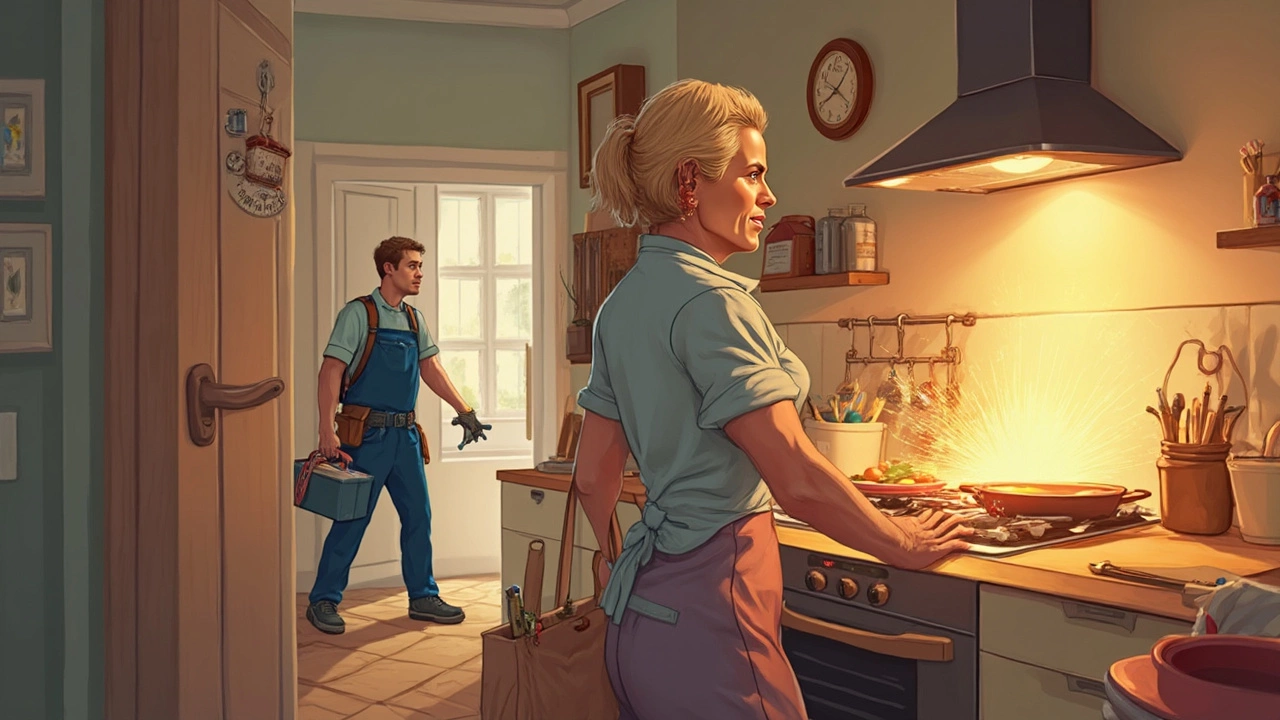
An electric hob on the fritz can leave you in a lurch, but knowing how much it costs to fix can help you prepare. We'll break down the average repair costs, consider factors like brand, parts, and labor, and help you decide if a repair or replacement makes more sense. Get the inside scoop on typical issues that might arise and how to avoid them in the future. With this guide, you'll feel more confident when talking to repair technicians and won't be caught off guard by unexpected expenses.

Looking for the right person to service your boiler? Here’s what you need to know about boiler service, finding qualified engineers, costs, and why it matters in 2025.

Maintaining a boiler goes beyond just an annual check-up. Regular maintenance ensures that your heating system runs efficiently, prolonging its lifespan and saving money on repairs. This article delves into necessary care tips, signs indicating a need for professional help, and actions homeowners can take to keep their boilers in top shape. Understanding the importance of each maintenance task can help prevent unexpected breakdowns, especially during colder months.

If your cooker suddenly stopped working, it might be due to a range of reasons from electrical issues to simple user errors. Understanding the root cause is key to fixing the problem efficiently. In this article, we explore common reasons why cookers fail and offer practical troubleshooting tips to get your appliance working again. From checking the power supply to examining electrical components, we cover it all. Get your cooker back up and running with our straightforward guide.
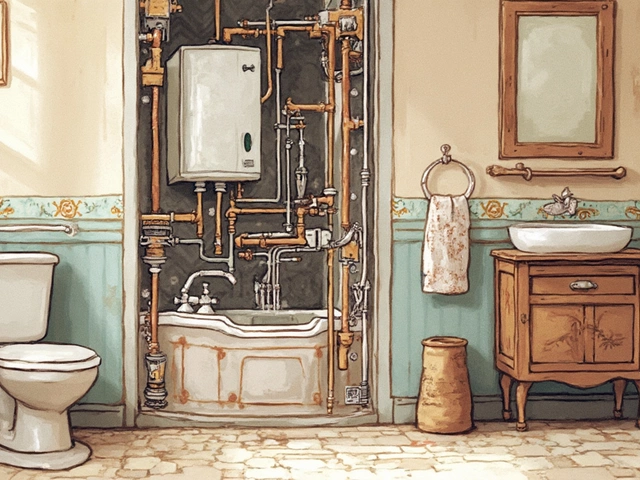
A failing water heater element can leave you in the chilly lurch just when you need a warm shower. Learn how to diagnose the problem with simple, straightforward steps. This guide covers common symptoms, testing methods, and practical tips for handling a faulty element. We'll explain what's involved and offer insights for DIY repair or knowing when to call a professional.
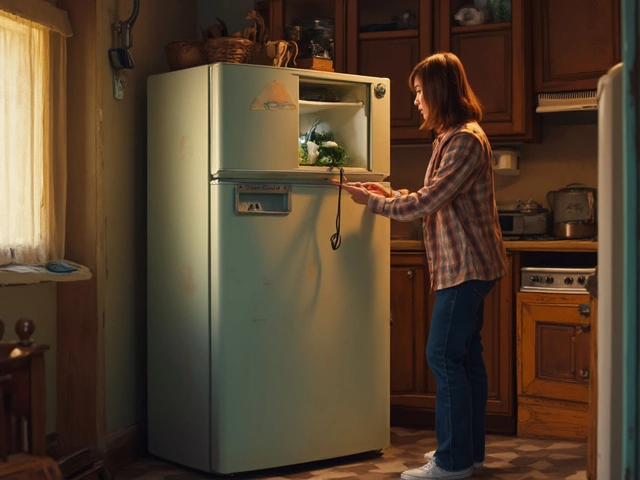
When your refrigerator suddenly stops working, it can cause quite a panic. But before calling in the repair services, there's one crucial thing you should check first: the power source. This step is often overlooked but can save you both time and money. Reliability and efficiency in troubleshooting can help bring your fridge back to life or at least determine the next best steps.