

Thinking about swapping out a tired cooker, a noisy extractor fan, or a stubborn oven element? You don’t need a specialist for most of these jobs. With a few tools, a bit of patience, and the right safety steps, you can give your kitchen a fresh feel and save money.
First, write down which appliance you want to replace and why. Is the hob element flickering? Does the extractor fan make a rattling noise? Knowing the exact problem helps you pick the right replacement and avoid buying the wrong part. Check the model number on the old unit, then compare it with the new one to make sure dimensions, voltage, and connections match.
Next, gather the basics: a screwdriver set, pliers, a multimeter (for checking live wires), and safety gear like gloves and goggles. If you’re dealing with gas appliances, have a leak detector or soapy water ready. Turn off the power at the breaker and shut off any gas supply before you touch anything.
Extractor fan replacement – Remove the front grille, unscrew the mounting brackets, and disconnect the wiring. Most fans snap into a housing that fits most range hoods, so you can slide the new fan in and reconnect. Tighten the brackets and test the fan before re‑installing the grille.
Electric hob element – Locate the faulty burner; it’s usually held by a screw or a clip. Disconnect the wiring harness, pop out the old element, and slide the new one into place. Re‑attach the harness, secure the screw, and fire up the hob to confirm heat is even.
Oven heating element – Open the oven door and remove the back panel. The element sits behind a protective cover; pull it out gently, note the wire positions, and replace it with an identical part. Re‑assemble the panel, plug the oven back in, and check that it reaches the set temperature.
While you’re at it, give the surrounding area a quick clean. Dust can cause fans to wobble and burners to overheat. A fresh coat of kitchen‑safe paint on the cabinet around the appliance can also make the swap look like a professional renovation.
If you run into any live wires or you’re unsure about gas connections, stop and call a qualified engineer. It’s better to be safe than to risk a short circuit or a gas leak.
After the swap, keep the old appliance for a few days in case you notice any hidden issues. Most retailers allow a 30‑day return if the part is still in its original packaging, so you’ve got a safety net.
Swapping kitchen appliances yourself can be rewarding and cheap. With the right preparation, the right tools, and a focus on safety, you’ll have a quieter fan, a hotter oven, or a smoother hob in no time. Ready to start? Grab that screwdriver and give your kitchen the upgrade it deserves.

Thinking about swapping out your electric oven? This article covers how tough the job really is, where people usually get stuck, and what you actually need to know. We break down what tools you really need, what pitfalls you can avoid, and when you should probably call someone who’s done it before. Get ready for straight talk—no tech jargon, just real advice for regular folks. Whether you DIY or call a pro, you’ll walk away ready to make a smart decision.

Extractor fans are essential for maintaining good air quality in homes, but what happens when they break down? This article explores whether electricians are the right professionals to fix extractor fans, the typical issues these fans encounter, and some maintenance tips to avoid frequent repairs. Learn about the repair process and when it might be time to replace your fan altogether.

Discover the key signs that indicate your oven needs replacing, from age and energy efficiency to safety concerns. Learn when to repair vs. replace.
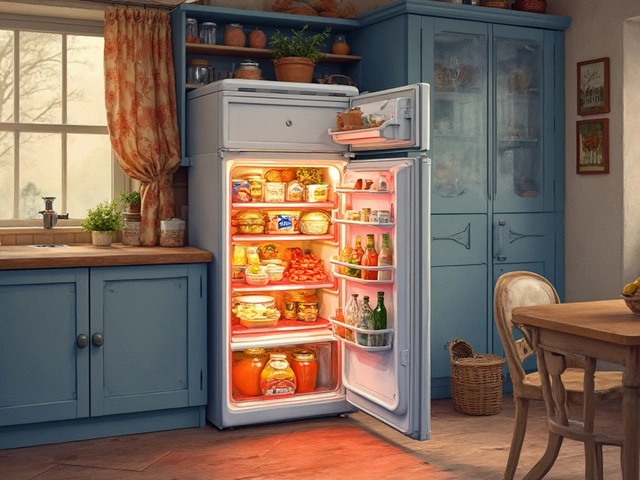
Understanding what usually fails in a fridge can save you time and money. This article explores common issues like malfunctioning thermostats, compressor problems, and leaky seals. Learn helpful tips for diagnosing and possibly fixing these issues yourself. Knowing when to call a professional is also crucial in the life of your fridge.

Discover the workings of a hob, a crucial kitchen fixture that often gets overlooked until it malfunctions. Learn the common issues that can affect its performance and get handy tips on basic repairs and maintenance. Whether you're dealing with burner problems or electrical faults, this guide provides practical advice to keep your hob in top shape. Understand the typical lifespan of these appliances and how to extend it through regular care.
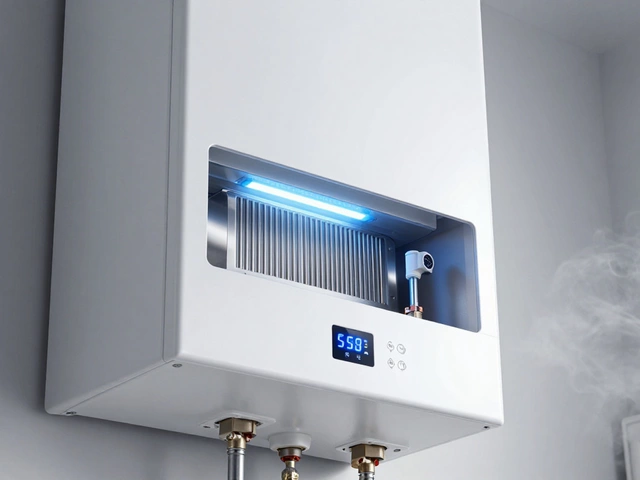
Discover the average lifespan of gas boilers, cookers, and fires. Learn key signs of aging appliances, maintenance tips to extend life, and when to replace for safety and efficiency.