

Got a stubborn oven, a flaky hob, or a noisy extractor fan? You don’t need to wait for a technician right away. Most kitchen appliances have common faults that you can troubleshoot yourself with a few tools and a bit of patience. In this guide we’ll walk through the everyday problems you’re likely to meet and give you clear, actionable steps to fix them.
Most kitchen appliances break in similar ways. Here are the top three issues you’ll see:
1. Oven not heating – The heating element may be burnt out, the thermostat could be faulty, or the door seal might be loose. A quick visual check for a broken element and a test of the thermostat can point you in the right direction.
2. Hob burners won’t light – For electric hobs the element might be cracked; for gas hobs the ignition electrode could be dirty. Removing the burner and inspecting it for visible damage usually reveals the problem.
3. Extractor fan wobbling or not turning – Fans often collect grease on the motor shaft or the blade can become unbalanced. A simple clean‑up and a check for loose screws often restores smooth operation.
Other appliances—like fridges that stay warm, dishwashers that won’t drain, or microwaves that stop heating—follow the same pattern: a broken part, a loose connection, or a build‑up of grime.
Check power and connections first. Unplug the appliance, look for loose wires, and make sure the plug is snug in the wall socket. A loose plug is a surprisingly common cause of odd behavior.
Replace a faulty oven element. Remove the back panel, locate the element, and test it with a multimeter. If it shows no continuity, swap it out with a matching part. You’ll need a screwdriver, a wrench, and a new element that matches the model number.
Swap a broken hob element. Slide the burner out, disconnect the terminal, and replace the element. Snap the new piece back in place, reconnect the terminal, and test the hob. Most electric hobs have a simple clip‑on system.
Clean and lubricate an extractor fan. Unscrew the fan housing, pull out the motor, and wipe away grease with a damp cloth. If the motor shaft feels sticky, a few drops of light machine oil can help. Re‑assemble, plug it in, and listen for smooth spin.
Reset a water heater or boiler. Many modern units have a reset button that trips when the thermostat overheats. Turn the power off, wait a minute, press the reset, and turn the power back on. If the problem returns, it’s time to call a professional.
When you’re unsure, take a photo of the faulty part and compare it to online diagrams or the appliance’s manual. Most manufacturers provide clear wiring schematics that make troubleshooting faster.
Remember safety first. Always disconnect the appliance from the mains before opening it, and wear gloves if you’re handling sharp edges or greasy parts. If you ever smell gas, hear sparks, or feel unsure about the repair, stop and call a qualified engineer.
By tackling these common fixes yourself, you can often restore your kitchen gear in under an hour and avoid pricey service calls. Keep a small toolbox with a screwdriver set, pliers, a multimeter, and a few spare parts—these basics will cover most kitchen appliance emergencies.
Got a specific problem that’s not covered here? Our collection of step‑by‑step guides includes detailed instructions for replacing oven elements, fixing electric hob burners, and swapping extractor fans. Browse the articles, follow the pictures, and you’ll have your kitchen back in shape in no time.

Gas hobs can suddenly stop working for a bunch of reasons, from ignition troubles to blockages or problems with gas supply. This article breaks down the main causes, so you don't have to guess what went wrong. You'll learn easy troubleshooting steps and a few quirky facts about why these appliances get stubborn. With some quick checks, you might even save yourself a call to the repair guy. Know when it’s a simple fix and when it’s time for a pro.

Cracked or damaged glass hobs make you panic, but not every problem spells doom for your stove. This article breaks down what issues can actually be fixed and when it's smarter to replace the glass. You’ll get real-life tips, possible repair options, and clear warnings for common mistakes. Safety comes first, but you’ll also find out when you can handle things yourself—or absolutely need a pro. Practical info, simple steps—you’ll get the full story on glass hob repair.

When your electric hob stops working, it's more than just a minor inconvenience—cooking essentials go awry, family meal plans are disrupted. Understanding some common causes and fixes is crucial before calling in the big guns or rushing to buy a new unit. From circuit issues, faulty sensors, and even user errors, many problems have straightforward solutions. This guide walks you through troubleshooting steps and shares tips to keep your hob cooking strong.

Repairing an aging laptop can be a tricky decision. This article explores whether it's still worth investing in a 7-year-old device. We'll consider factors like performance, cost, potential upgrades, and environmental impact. Dive in to learn about the practical and sentimental value of maintaining your trusty laptop.
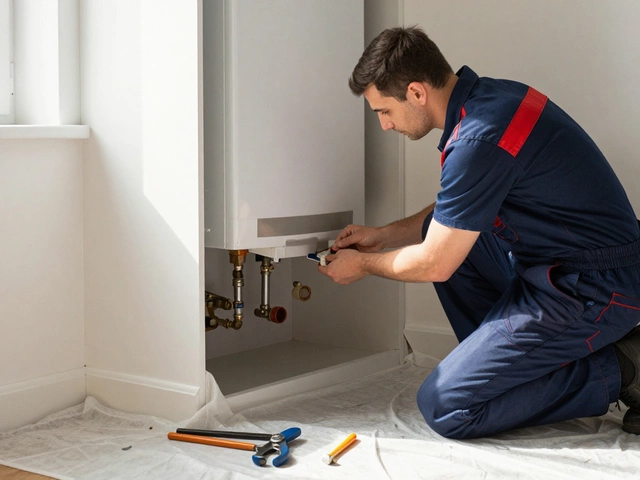
Replacing a boiler in the UK typically takes one to three days, depending on the type of boiler, system complexity, and home layout. Most installs finish in a single day if the new unit is in the same location.

Exploring the value of repairing a freezer involves assessing various factors, such as the cost of repairs, the appliance's age, and the efficiency improvements of newer models. Understanding common freezer problems can help homeowners decide whether a repair is worthwhile. The decision should account for both economic and environmental perspectives, guiding when to repair or replace.

Ovens are essential in any kitchen, but they can sometimes act up. Whether it's uneven cooking, a door that won't close, or strange noises, there's usually a straightforward explanation—and solution. This article delves into typical oven issues, offers handy tips to troubleshoot them, and suggests when it's time to call a professional. Knowing these basics can help keep your oven running smoothly.

Wondering if your 20-year-old oven can be repaired? Discover repair tips, replacement part insights, costs, and when it makes sense to swap your old oven for a new one.