

If you’ve bought a new fridge, oven, or heat pump, the first question that pops into your head is usually, how long will this take to install? Knowing the typical installation time helps you plan your day, avoid surprises, and decide whether you can tackle the job yourself or need a pro.
Washing machines generally need 45 minutes to an hour. The main steps are leveling the unit, connecting water hoses, and hooking up the power. If the plumbing is close to the old machine, the job is quicker; a long hose run can add 15‑20 minutes.
Electric ovens take about 60‑90 minutes. You’ll need to unplug the old unit, disconnect the wiring, and slide the new oven into place. Re‑wiring a dedicated circuit can push the time toward the upper end.
Kitchen extractor fans usually require 30‑45 minutes. The biggest time‑sink is removing the old fan and sealing any gaps in the ductwork. If you’re replacing a fan in a bathroom, the job is similar – about half an hour for a straightforward swap.
Heat pumps (air‑source or ground‑source) are the long‑haul projects. A basic air‑source unit can take 2‑4 hours, while a ground‑source system may stretch to a full day because of the pipe layout and concrete work.
Dishwashers sit in the 45‑60 minute range. You’ll need to connect water supply, drain hose, and electrical feed. Tight spaces under the counter can add extra minutes.
Location matters. If the installation spot is hard to reach or the walls need cutting for venting, expect extra time. Older homes often have outdated wiring or plumbing, which can turn a quick swap into a bigger project.
DIY vs. professional makes a big difference. If you’ve done similar jobs before, you’ll move faster. But a professional brings tools, permits, and experience that cut down on guesswork and re‑work.
Preparation is key. Having all the right tools, a clear work area, and the correct connections on hand can shave 10‑15 minutes off most jobs. Double‑check that the new appliance matches the old one’s dimensions and power requirements before you start.
Finally, the model itself can change the timeline. Some appliances come with quick‑connect fittings, while others need soldered pipes or custom brackets. Read the manufacturer’s guide – it often lists an estimated install time.
In practice, most homeowners spend about an hour on a single‑unit install if everything is ready. Add a buffer for unexpected hiccups, especially in older houses.
When you know the typical times and the factors that can stretch them, you can plan better. Schedule a convenient slot, clear the area, and decide if you need a professional. If you live in Bognor Regis and want a trusted local service, Bognor Regis Appliance Repair Experts can handle any of the above installations quickly and reliably.
Bottom line: Most standard appliances take under an hour, while larger systems like heat pumps need a few hours. Knowing these figures helps you set realistic expectations, avoid stress, and get your home back to normal faster.

Wondering how long it takes to swap out an old boiler for a new one? This article spells out exactly how much time you’ll need, what really affects the timeline, and offers practical tips to speed things up. Get the full breakdown, including what you can do before installation day and how to avoid surprises. If you want your heat and hot water back fast, this guide is for you. Find out what to expect from your boiler replacement and how to stay one step ahead.
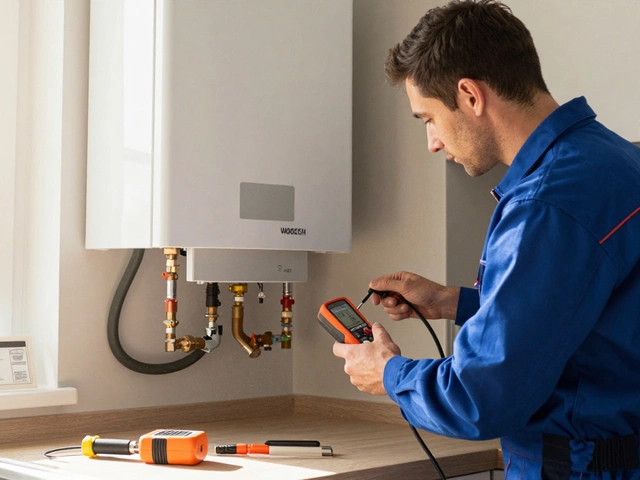
A typical boiler service takes 60 to 90 minutes, but older or neglected systems may require 2-3 hours. Regular annual servicing prevents breakdowns, improves efficiency, and keeps warranties valid. Always choose a plumber who tests gas safety and provides a written report.

Thinking about repairing your cooker? This guide covers repair costs, when to fix or replace, and expert tips to help you decide what's best.

When it comes to kitchen convenience, dishwashers are hard to beat. They free up our time, reduce water and energy use, and help keep our kitchenware sparkling clean. But how long should one really expect a dishwasher to last? This article will explore average lifespans, key factors affecting longevity, and practical tips for extending the life of your trusty machine, ensuring you get the most value and efficiency.
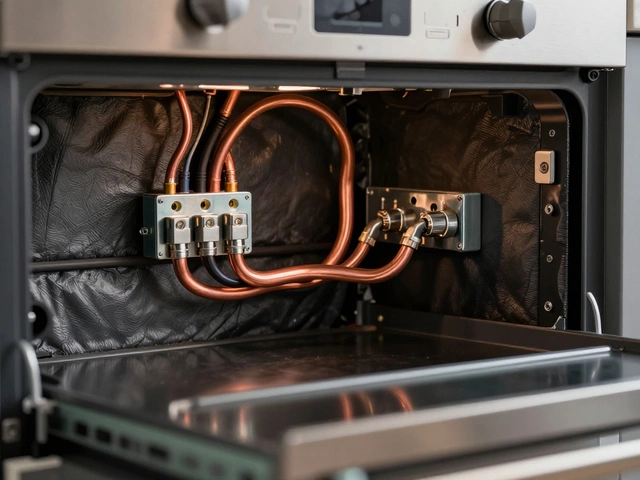
Discover whether you can replace an electric oven yourself or need to hire a professional. Learn about voltage requirements, safety risks, and legal building codes for appliance installation.
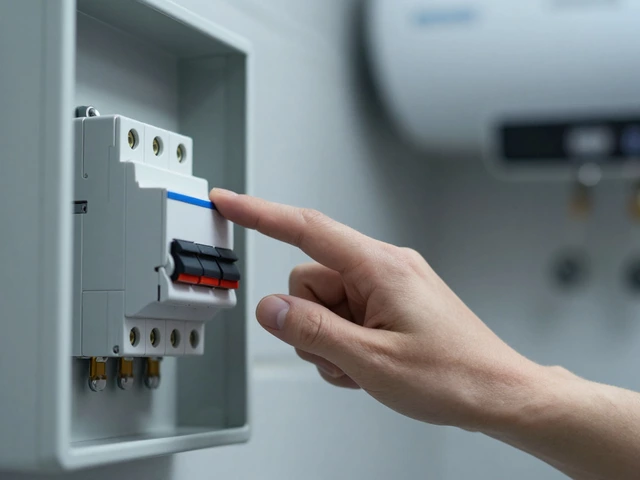
Struggling with a broken hot water heater? Learn how to troubleshoot common issues like tripped breakers, thermostat faults, and leaks before calling an expensive repair service.