

If your gas stove won’t spark, your boiler refuses to fire up, or the dryer keeps stalling, you’re probably dealing with an ignition issue. Ignition is the moment a fuel source meets a spark or heat to start a flame. When that moment fails, the appliance stays dead, and you’re left wondering why.
First things first: safety. Turn off the gas supply and unplug the appliance before you start poking around. A small leak or a loose wire can turn a simple fix into a hazard.
Most ignition failures boil down to three culprits – a dirty spark electrode, a faulty ignition switch, or a blocked gas line. For a gas stove, the electrode can get coated with food splatter, stopping the spark from jumping. In boilers, a worn-out ignition module may never send the signal to light the burner. Dryers that use a pilot flame often suffer from a clogged flame sensor, which tells the machine the flame didn’t start.
Other times the problem is electrical: corroded terminals, loose connections, or tripped breakers. If you’ve recently moved furniture or done any DIY work, a bumped wire could be the cause. And don’t forget the simple – no gas or no power. A shut‑off valve or a dead fuse can masquerade as an ignition fault.
1. Clean the spark electrode. Remove the burner cap, locate the tiny metal tip, and wipe it with a soft cloth and a little vinegar. Avoid abrasive pads; they can scar the tip and make sparks even harder.
2. Check the ignition switch. For stoves and ovens, the switch sits under the control knob. Use a multimeter to see if it’s sending voltage when you turn the knob. No reading? Swap it with a known good part or call a tech.
3. Inspect gas lines. Look for rust, kinks, or any obstruction. A gentle brush and a bit of compressed air can clear minor blockages. If you smell gas, shut the valve and call a professional immediately.
4. Test the flame sensor. In dryers, the sensor is a thin metal rod near the burner. Clean it with fine sandpaper; a shiny surface helps the machine detect the flame correctly.
5. Reset the electronics. Some modern boilers have a reset button on the control board. Press it, wait a minute, then try firing the system again.
If none of these steps revive the ignition, it’s time to bring in an expert. Ignition modules, gas valves, and certain electronic boards require specialised tools and certifications. Attempting a repair without proper knowledge can lead to costly damage or safety risks.
Remember, a quick visual check and a bit of cleaning solve most everyday ignition hiccups. Keep the area around your appliances clean, schedule regular maintenance, and you’ll keep the sparks flying without a fuss.

Gas hobs can suddenly stop working for a bunch of reasons, from ignition troubles to blockages or problems with gas supply. This article breaks down the main causes, so you don't have to guess what went wrong. You'll learn easy troubleshooting steps and a few quirky facts about why these appliances get stubborn. With some quick checks, you might even save yourself a call to the repair guy. Know when it’s a simple fix and when it’s time for a pro.
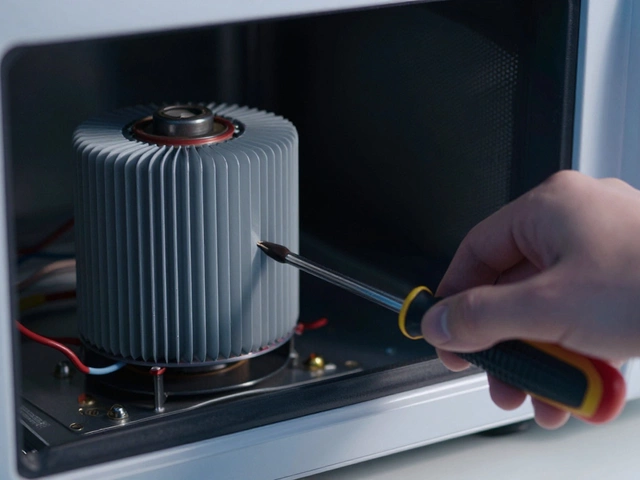
Fixing your own microwave might seem easy, but the high-voltage capacitor inside can deliver a lethal shock-even when unplugged. Here's why DIY repairs are dangerous and what you should do instead.

If you’re shopping for a new electric oven or worried about breakdowns, brand reliability matters big time. This article looks at which appliance brands have the fewest reported repairs, backed by recent repair data and real user experiences. You’ll see how different brands compare, which models tend to last, and when it makes sense to spend a little more upfront. Plus, you’ll pick up tips to keep your oven running smoothly, no matter which badge it wears. Everything’s packed in with real talk—no fluff to wade through.

A malfunctioning freezer can be a headache, particularly when it involves the compressor. Understanding whether it's worthwhile to replace a compressor requires consideration of several factors, including cost, age, and efficiency. This article breaks down the key elements for deciding if compressor replacement is the best route. With practical advice and insider tips, you'll gain clarity on making an informed decision for your appliance.

Wondering if you can fix a faulty gas hob? This article explains what repairs are possible, which issues you can tackle yourself, and when to call in a pro. Get down-to-earth tips on spotting common problems, safety advice, and how regular care can extend your hob’s life. We cover everything from spark ignition troubles to stubborn burners that won’t light. Know what you’re dealing with and avoid expensive mistakes.
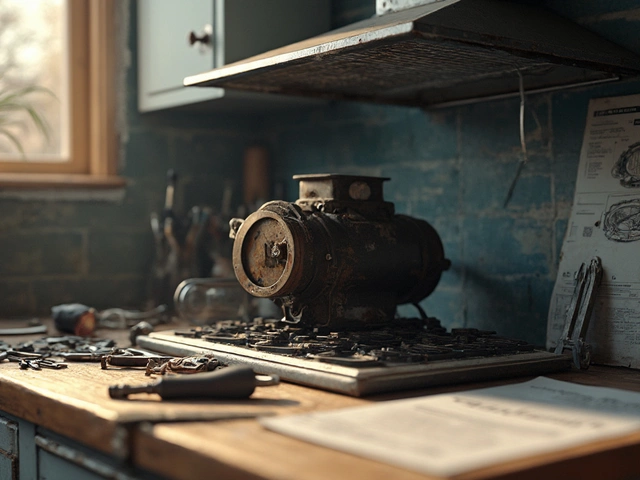
Thinking about swapping out the motor in your extractor fan? This article breaks down what's really involved, the red flags that mean the motor's cooked, and how to decide if you should tackle it yourself or call in a pro. It covers how to find the right replacement part, tips to avoid shocking mistakes, and why some fans just aren’t worth fixing. Whether your bathroom fan wheezes or your kitchen extractor hums like a jet, here’s how to handle a motor on its last legs.