

Ever wonder why your heat pump feels sluggish or your air conditioner takes forever to cool? Most of the time it’s not a big repair – it’s just a lack of routine care. A few minutes each month can stop small problems from turning into costly breakdowns.
First off, a clean system runs more efficiently. When filters, coils, and fans are free of dust, the motor doesn’t have to work as hard. That means lower electricity bills and a longer lifespan for your equipment. For heat pumps, regular checks keep the refrigerant flow steady, preventing the unit from freezing up in cold weather.
Second, safety improves. A clogged vent can cause overheating, while a leaking water heater may lead to corrosion or water damage. Spotting issues early saves you from emergency calls and potential hazards.
Finally, performance stays consistent. If you notice uneven heating across rooms, it’s often a sign that the blower or fan needs cleaning. Keeping everything balanced means every corner of your home feels just right.
Here are three easy steps you can do without any special tools:
1. Swap or clean filters monthly. A dirty filter blocks airflow, making the system work harder. Grab a new disposable filter or rinse a reusable one, let it dry, and pop it back in.
2. Inspect outdoor units. Remove debris, leaves, or cobwebs around the heat pump or AC. Gently spray the coils with a garden hose (no pressure washer) to clear grime. Make sure the spacing around the unit is at least two feet.
3. Test thermostats. Set the thermostat a few degrees higher or lower and watch if the system responds within a few minutes. If it hesitates or never turns on, the sensor or wiring might need professional attention.
If any of these checks reveal strange noises, water leaks, or the unit still won’t heat or cool, it’s time to call a qualified technician. For heat pumps, watch for a drop in temperature output or the indoor fan blowing cold air in winter – those are signs of refrigerant loss or motor wear.
Also, don’t forget your water heater and extractor fans. Flushing a water heater once a year prevents scale buildup, and swapping out a failing fan blade keeps kitchen air fresh. These small chores add up to a healthier home environment.
Bottom line: a little routine maintenance keeps your HVAC system reliable, saves money, and avoids stressful breakdowns. Set a calendar reminder, grab a filter, and you’ll notice the difference in comfort within weeks.

Discover what causes heat pumps to break down, the warning signs, and how to keep yours running smoothly with practical tips for any homeowner.

If your boiler stops working, know who to call and what to do immediately. This guide covers emergency steps, how to find a Gas Safe engineer, repair costs, and how to prevent future breakdowns in the UK.
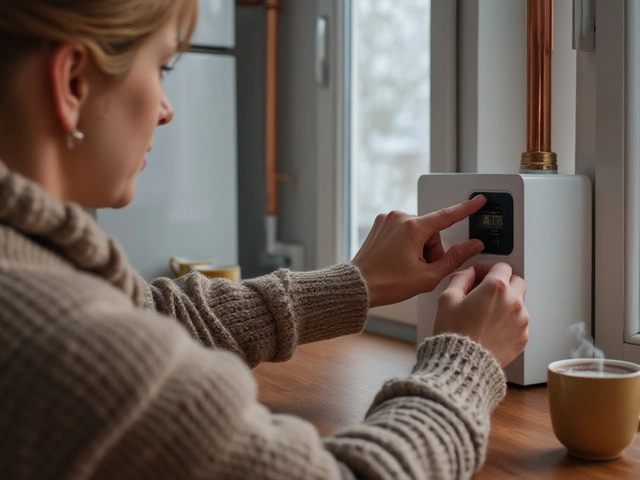
Maintaining a boiler goes beyond just an annual check-up. Regular maintenance ensures that your heating system runs efficiently, prolonging its lifespan and saving money on repairs. This article delves into necessary care tips, signs indicating a need for professional help, and actions homeowners can take to keep their boilers in top shape. Understanding the importance of each maintenance task can help prevent unexpected breakdowns, especially during colder months.

Replacing an extractor fan might seem challenging, but with the right tools and some guidance, it can be done efficiently. This guide outlines the process of replacing an extractor fan, from identifying signs it needs replacement to understanding how to choose the right model. Learn practical tips for handling installation and maintaining safety during the project. Make this task more approachable with easy-to-follow steps designed for beginners.

Is it worth repairing a 7-year-old fridge freezer? Usually yes-if the repair is under £200 and the unit still runs efficiently. Learn what fixes make sense, which problems mean replacement, and how much you’ll save on energy bills.
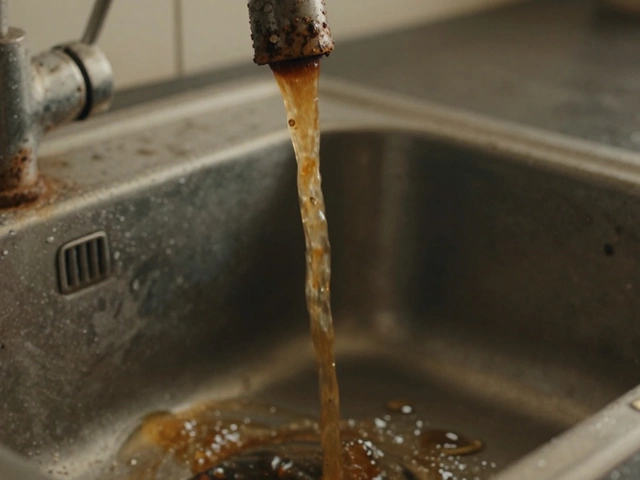
Watch for rusty water, leaks, strange noises, or no hot water-these are clear signs your water heater is failing. Age, higher bills, and bad smells mean it’s time to replace it before it breaks down.