

If you own a home, you probably rely on a handful of appliances every day. When one stops working, it can feel like a mini crisis. The good news is most issues have simple fixes, and knowing how long an appliance should last helps you decide when to repair or replace.
Most kitchen gadgets give you a clue when something's wrong. An electric oven that won’t heat often means a faulty heating element. Swapping the element yourself usually takes under an hour with a screwdriver and a multimeter. The same goes for a broken hob burner – just remove the old element and snap the new one in place.
Fridges that stay warm but keep the light on are usually dealing with a faulty thermostat or a clogged condenser. Clean the coils, check the thermostat setting, and if the problem persists, a quick thermostat replacement can bring the chill back.
Washing machines show age through longer cycles, leaks, or noisy drums. Tighten any loose bolts, clean the pump filter, and run a hot wash with vinegar to clear out buildup. If the machine still struggles, the motor bearings might need a replacement, which a local tech can handle.
Knowing the typical lifespan of each appliance saves money and stress. A good washing machine lasts about 10‑12 years, while a fridge can keep going for 15 years or more if the coils stay clean. Electric ovens and hobs usually survive 12‑15 years, but the heating elements may need swapping halfway through that time.
Heat pumps are a special case. Air‑source units in the UK often reach 12‑15 years, whereas ground‑source models can push 20 years with regular maintenance. Keep an eye on the compressor’s sound and schedule a professional check‑up every two years to catch wear early.
Dishwashers sit in the 8‑10 year range. If you notice dishes aren’t coming out dry, the heating element or gauge might be failing. A quick element swap can extend life, but if the door seal is cracked, it’s usually a sign the whole unit is nearing the end of its useful life.
When you spot signs like strange noises, leaks, or performance drops, act fast. Small issues often turn into costly repairs if ignored. A little DIY, like cleaning filters or tightening screws, can keep most appliances humming along for years.
Still not sure whether to call a pro? Use a simple rule: if the fix involves electricity, gas, or sealed components, it’s safer to call a qualified technician. For most everyday fixes – element swaps, filter clean‑outs, or simple part replacements – you’re fine with basic tools and a bit of patience.
Bottom line: Understanding common problems, knowing typical lifespans, and tackling easy repairs yourself can save you time and money. Keep this guide handy, and you’ll feel confident handling anything from a cold oven to a noisy washing machine.

Is a laptop an appliance? Discover why the distinction between consumer electronics and household appliances matters for repairs, warranties, and insurance.

Unravel the mysteries of oven troubles with a comprehensive guide that walks you through common issues and their solutions. From unexpected cold spots to issues with heating elements, this article explores practical approaches to diagnosing and fixing your oven. Learn about signs to watch out for, potential tools needed, and tips to maintain your oven's optimal performance. Perfect for homeowners who want to save a little cash and feel empowered to tackle minor repairs before calling in the professionals. This guide makes oven repair accessible and doable for the average person.
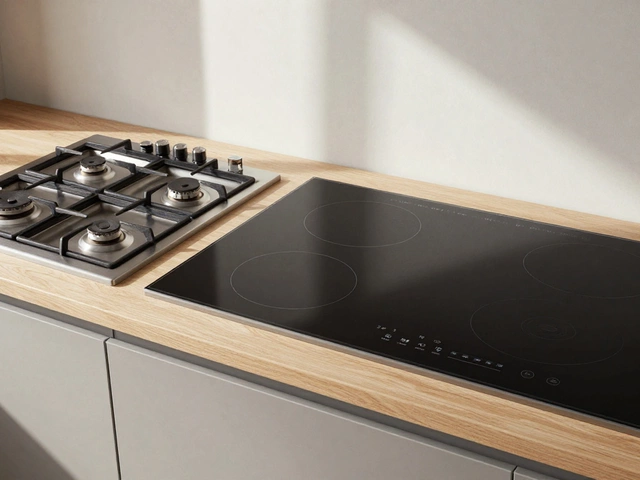
Discover how long different hobs last, from gas to induction. Learn signs of failure, repair vs. replacement costs, and maintenance tips to extend your cooktop's life.

Fixing an electric stove might seem daunting, but many common issues are surprisingly manageable with a bit of know-how. From understanding why the burners aren't heating to recognizing if a problem needs professional attention, this article sheds light on various aspects of electric stove repair. Whether you're dealing with strange noises, faulty wiring, or a completely inoperative oven, we explore what’s usually repairable and what might require a replacement. With practical tips, learn to troubleshoot and potentially save on costly service calls.
Deciding whether to repair an electric oven after five years can be tricky, especially with advancing technology and evolving household needs. This article explores the practical aspects of oven repair, including cost-benefit analyses, common issues, and DIY tips to help inform your decision. By understanding key factors like repair costs versus replacement options, you can make an informed choice. Learn how to assess the condition of your oven and get tips on when professional help might be needed.
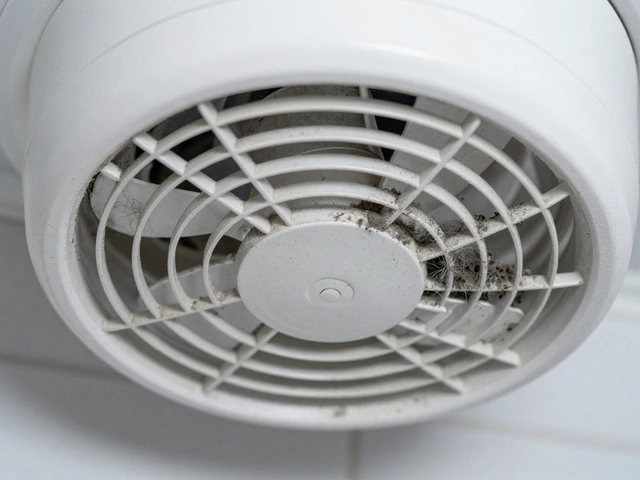
Learn how to properly service your bathroom extractor fan with this easy step-by-step guide. Discover cleaning tips, troubleshooting tricks, and when to call a pro.
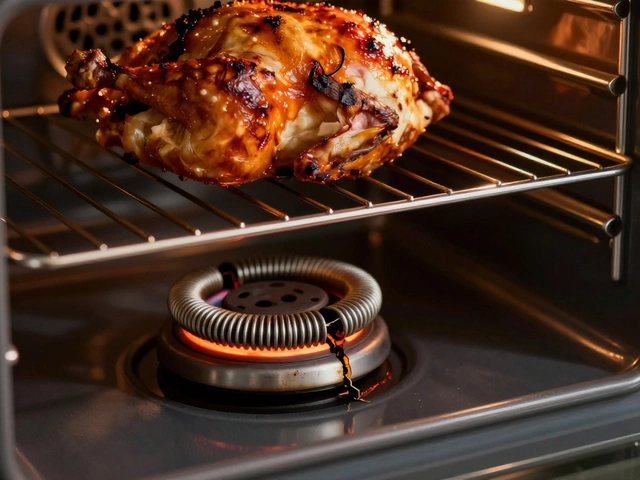
Discover if replacing your oven heating element is cost-effective compared to buying a new appliance. We break down repair costs, DIY steps, and signs of failure to help you decide.