

Cold showers are frustrating, but most hot‑water problems are easy to fix. Below you’ll find the most common reasons your water isn’t hot and quick steps to get it working again. You’ll also learn simple habits that keep your heater healthy for years.
First, check the power. Electric water heaters need a working circuit breaker and a live fuse. If the breaker has tripped, reset it and see if the heater turns on. A blown fuse works the same way – replace it and watch for any signs of overload, like a humming sound that never stops.
Gas‑powered heaters have a different set of clues. If you smell gas or hear a clicking igniter that never lights, the pilot may be out. Most modern units have a reset button; press it after the pilot lights. If it won’t stay lit, the thermocouple could be faulty and may need a replacement.
Water temperature settings are another easy oversight. Many thermostats default to 120°F (49°C). If you recently changed the setting, give the heater an hour to recover before judging the result.
Build‑up of sediment is a silent thief of heat. Over time, minerals settle at the bottom of the tank, insulating the heating element and reducing efficiency. If you notice a faint rumble or slower recovery after a shower, it’s likely time to flush the tank.
Finally, check for leaks. A small drip can let cold water sneak into the system, lowering the overall temperature. Inspect the connections, the pressure‑relief valve, and the tank itself for any signs of moisture.
Regular flushing is the single best thing you can do for an electric or gas heater. Turn off power or gas, attach a garden hose to the drain valve, and let the water run until it’s clear. Do this once a year for soft water areas, and twice a year if your water is hard.
When the heater is empty, open the pressure‑relief valve to let air in. This helps break up any remaining sludge. Then close the valve, refill the tank, and turn the power back on. You’ll feel the difference the next time you shower.
Temperature checks are simple but often missed. Set the thermostat to 120‑130°F (49‑54°C). Lower settings save energy and reduce the risk of scalding, while higher settings can shorten the heater’s life.
If your heater has a reset button, press it only after you’ve diagnosed the underlying issue. Resetting a broken thermostat repeatedly can cause more damage.
Consider an anode rod inspection every two years. The rod attracts corrosion, protecting the tank. A heavily corroded rod looks like a thick, rotted piece of metal – replace it to extend tank life.
When you notice recurring problems, don’t keep patching them. A heater that’s more than 10‑12 years old often costs more in repairs than a new, efficient model. Modern tanks have better insulation and can save you up to 20% on energy bills.
All these steps are quick to do yourself, but if you’re unsure, a local expert can handle the job safely. Our Bognor Regis team can check your system, flush the tank, and replace parts when needed – all at a fair price.
Bottom line: a cold shower usually has a simple fix. Check power or gas, reset the thermostat, flush out sediment, and keep an eye on leaks. Do the basic maintenance once a year, and you’ll enjoy reliable hot water for years to come.

Struggling with hot water inconsistencies between your kitchen and bathroom? This article explores the causes behind such issues, including plumbing layout and water heater problems. Learn valuable tips for diagnosing and fixing these common household headaches. Discover practical solutions that can save you from cold showers and confusing hot water scenarios. Understand how simple tweaks or professional guidance can restore your home's balanced hot water supply.

Discover practical solutions to restore hot water in your shower with ease. Learn about common problems affecting water heaters and the steps to troubleshoot each issue. This guide will walk you through changing settings, checking components, and knowing when to call a pro. Take control of your hot water system and enjoy a soothing shower experience once again. Ideal for homeowners facing frustrating lukewarm showers.
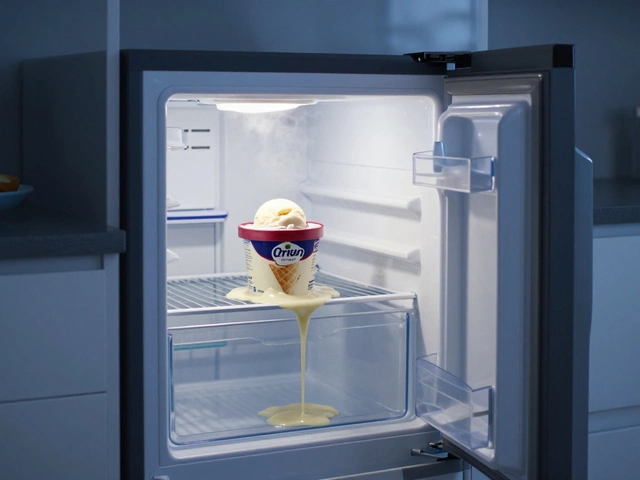
Discover the average life expectancy of a freezer, signs of failure, and whether to repair or replace. Learn practical tips to extend appliance lifespan and make smart financial decisions.
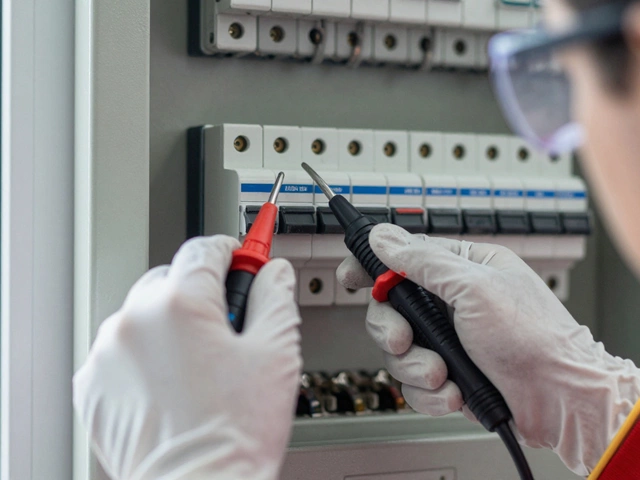
Learn how to safely clean your extractor fan motor to improve airflow, reduce odors, and prevent costly repairs. This guide covers safety steps, tools needed, and step-by-step instructions for a thorough clean.
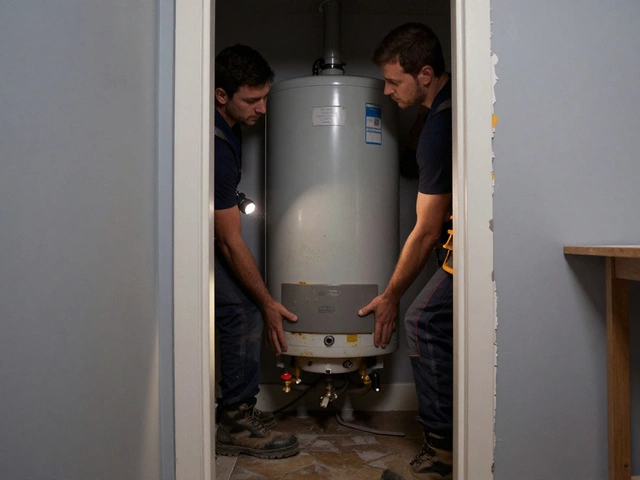
Find out exactly how long it takes to replace a water heater. We break down timelines for tank vs. tankless units, hidden delays, and installation steps to help you plan your schedule.
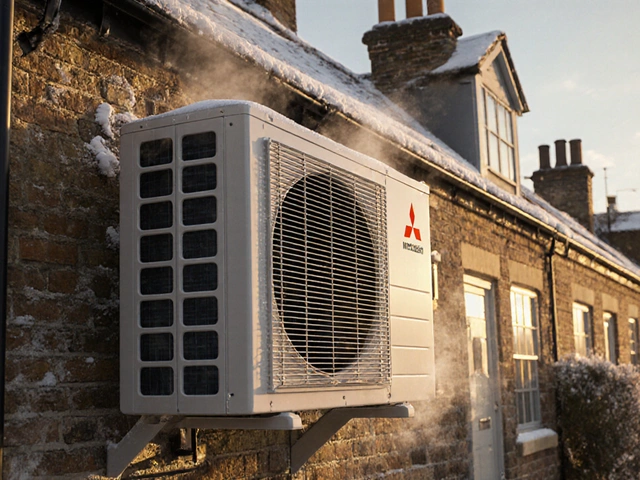
Discover the most reliable heat pump brands for UK homes in 2025, based on real repair data, warranty claims, and installer feedback. Avoid costly mistakes by choosing wisely.
Extractor fan acting up? If you’re wondering who handles extractor fan replacement, this article breaks it down. Learn the difference between calling a pro and tackling it yourself, get tips on when to fix or swap out a fan, and find out what skills and tools make the job smooth. Real, practical advice from someone who's been around finicky fans and quick fixes. Don’t let poor ventilation keep bothering you—get the facts and decide what works best.