

If you’ve ever stared at a cold shower and wondered why your water heater gave up, you’re not alone. Most homeowners assume a heater will work forever, but the truth is it has a useful life and a few habits can push that clock back or forward.
First, know the baseline. Traditional tank heaters in the UK typically survive 8‑12 years, while tank‑less models can stretch 20 years or more. Anything outside those ranges deserves a closer look. Hard water is a big enemy – mineral buildup eats away at the tank and the heating element, shortening lifespan by years. High thermostat settings also accelerate wear; every extra degree forces the burner to work harder. Heavy usage – daily long showers or many appliances drawing hot water – adds stress, especially in smaller tanks.
Another hidden factor is the anode rod. This sacrificial metal piece stops rust from eating the tank. When it’s depleted, the tank corrodes fast. If you skip checking it, you could lose months of life in a single season.
Good news: you can do a lot without calling a pro. Flush the tank once a year – attach a garden hose to the drain valve, let the water run, and remove sediment that would otherwise act like sandpaper inside.
Inspect the anode rod every 2‑3 years. If it looks very thin or covered in white crust, replace it. It’s a cheap part and a big lifesaver.
Set the thermostat to around 120°F (49°C). It’s hot enough for showers, saves energy, and reduces stress on the heating element. Also, insulate the tank and the first few feet of pipe; the heater won’t have to fire as often to keep water warm.
Listen for rumbling or popping noises. Those are signs of limescale or sediment shifting, which means it’s time for a flush or deeper cleaning. If you notice rust‑colored water, that’s a red flag the tank is corroding from the inside.
When to replace? If you’re hitting the 10‑year mark on a tank heater and see leaks, rust, or noisy operation, start budgeting for a new unit. Repairs on an old heater often cost more than a replacement, and a new model will be more efficient – saving you money on bills.
Considering the cost? A typical tank replacement runs £600‑£1200 installed, while a tank‑less system can be £1500‑£2500. Weigh that against yearly repair bills and rising energy rates. If your heater is still under warranty, you might get a free fix, but warranties usually expire after five years.
Bottom line: know the expected lifespan, watch the water quality, keep the thermostat sensible, and do a yearly flush. Those simple steps can add several years to your heater’s life and keep the cold showers at bay.
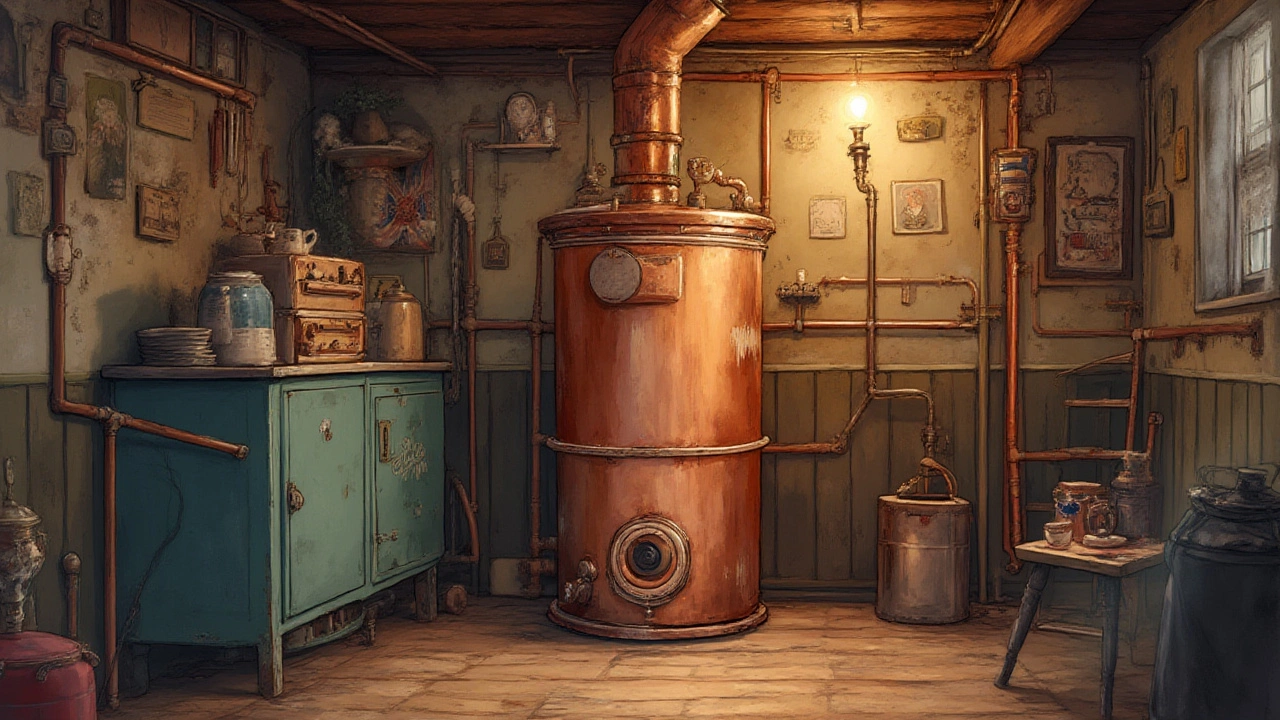
Is it possible for a hot water heater to last 30 years? Here’s a detailed look at what determines water heater longevity, what rare cases look like, and how you can extend your heater’s life with smart habits.
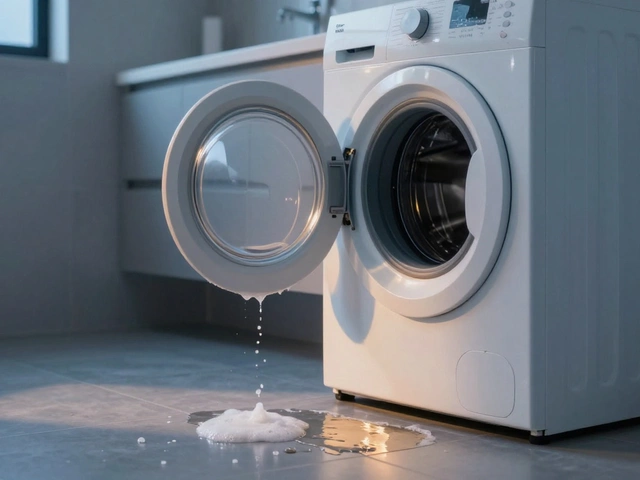
Discover the most common washing machine failures, from blocked filters to bearing issues. Learn how to diagnose leaks, spinning problems, and electronic glitches yourself.
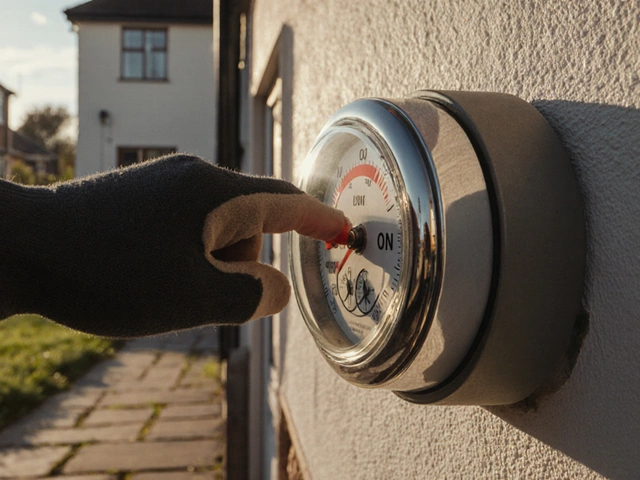
Learn why all your gas appliances might stop working, how to safely troubleshoot common issues, and when to call a Gas Safe engineer.

Thinking about installing a new electric oven? It's not always as simple as plugging it in. Discover the ins and outs of electric oven installation with tips on wiring, safety precautions, and when to call a professional. Learn what to check before attempting to plug in a new unit and how to ensure everything's set up correctly for safe and efficient use.
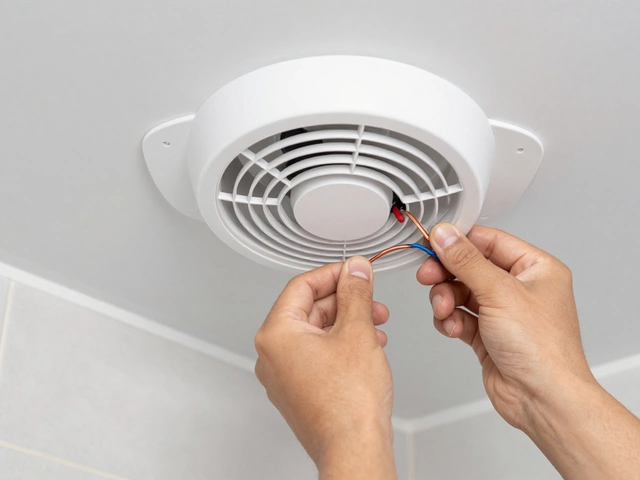
Wondering who should install your extractor fan? Learn when to hire an electrician, HVAC tech, or handyman for safe and efficient ventilation installation.

Deciding whether to repair or replace a laptop can be challenging. This guide explores the costs, benefits, and considerations involved in repairing a laptop. Learn when it's worth diving into a repair and when it's best to shop for a new device, along with tips on DIY repairs and choosing a reliable repair service.