

When the house gets cold, the first thing you want is a working heater. Whether you have a boiler, a heat pump or old radiators, most problems can be spotted and often fixed without a huge bill. Below are the most common issues you’ll run into and the steps you can take right now.
Boiler not firing? The most frequent cause is a loss of pressure. Check the pressure gauge – it should sit around 1.0 to 1.5 bar when the system is cold. If it’s low, open the filling loop until the gauge reaches the right level, then bleed any trapped air from the radiators.
Heat pump blowing cold air? First, see if the outdoor unit is covered in debris. Leaves or dust can block airflow and make the pump work harder. Clear the area, then reset the unit by turning it off for a minute and powering it back on. If the problem persists, the thermostat may be set to cooling mode by mistake.
Radiators that feel warm at the bottom but cold at the top? That’s usually trapped air. Use a radiator key to open the bleed valve just enough to hear a hiss, then close it once water starts to flow. This releases the air and lets hot water circulate evenly.
Odd noises like banging or whistling? Banging often means water is flowing too fast, so try loosening the pump speed a bit. Whistling can signal a blocked pipe or a valve that’s partially closed – check the pipe for kinks and make sure all valves are fully open.
Most simple fixes – bleeding radiators, topping up boiler pressure and cleaning the heat pump’s outdoor coil – can be done in under 30 minutes with basic tools. Keep a small kit handy: a radiator key, a screwdriver, a wrench, and a hose for flushing.
If you notice water leaking from the boiler, that’s a sign of a bigger issue. A small leak around the pressure relief valve can sometimes be tightened, but if the leak is from the pipework or the heat exchanger, you need a qualified engineer. Continuing to run a leaking boiler can cause water damage or even a safety hazard.
For heat pumps, if the unit won’t turn on at all after resetting, the electrical connection may be faulty. Turn off the power at the breaker, check the fuse, and look for any burnt wires. If you’re not comfortable with electricity, it’s safest to call a certified technician.
When your heating system is older than 15 years, it might be reaching the end of its life. Even if you can patch a leak or replace a valve, the overall efficiency will be low and your energy bills will stay high. In that case, ask a pro for a cost‑benefit analysis of repair versus replacement.
Bottom line: start with the easy checks – pressure, air, debris – and you’ll solve many heating hiccups yourself. Keep a record of what you do, and don’t hesitate to call a professional when the problem involves gas, electricity or major leaks. A well‑maintained heater keeps your home cozy and saves you money in the long run.

Curious if you can fix your boiler yourself? This detailed guide covers common boiler problems, easy repairs you can tackle, and when to leave it to the pros.
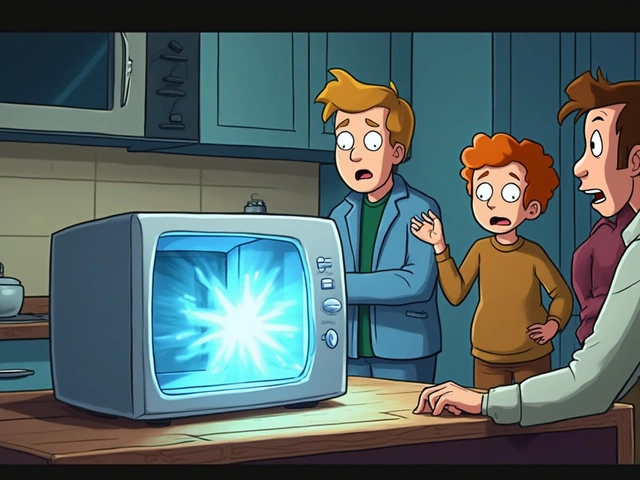
When your microwave starts making strange noises or fails to heat your food, it might be time to think about the magnetron. It's like the heart of your microwave, but is it worth the trouble to replace it or should you just buy a new one? This article explores the costs, benefits, and the nitty-gritty of magnetron replacement, throwing in some pro tips to help you make the right decision.
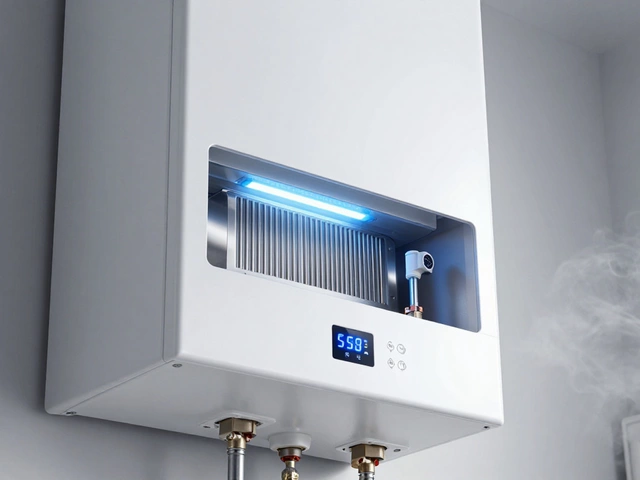
Discover the average lifespan of gas boilers, cookers, and fires. Learn key signs of aging appliances, maintenance tips to extend life, and when to replace for safety and efficiency.
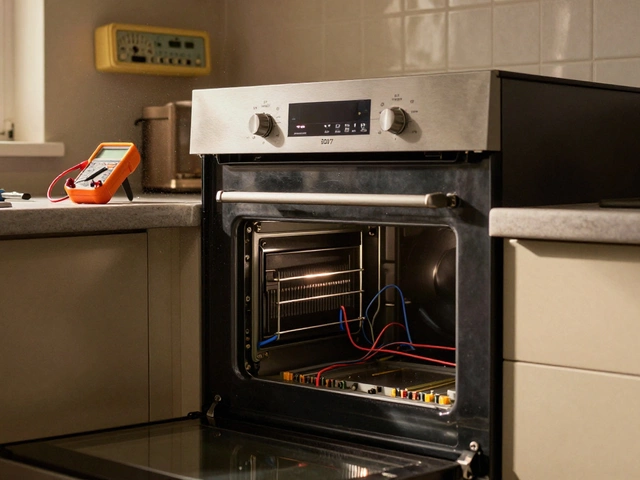
Is replacing your oven control board worth it? Learn the real costs, when to repair vs replace, and what most UK homeowners get wrong. Save money and avoid costly mistakes.

When your fridge stops cooling, it can be a real worry, especially with all that food at risk. Before you call the repairman, there are a few steps you can try yourself to bring your refrigerator back to life. From checking the thermostat settings to cleaning coils and examining door seals, you might find that a simple DIY fix does wonders. Understanding how these appliances work can also help prevent future hassles. This guide will walk you through the essential tips and tricks to get your fridge cooling again.

Is your 10 year old dryer gasping for air, and you’re wondering if it’s time to fix or toss it? This article breaks down how long dryers usually last, what typical repair costs look like, and when it just makes more sense to get a new one. You’ll find smart tips to figure out if fixing an older dryer is throwing good money after bad or saving yourself from an expensive upgrade. Get real-life advice that skips the fluff and gets to the point.