

Got a hob that won’t heat, flickers, or gives you that annoying click‑click sound? Before you call a repair service, try a few simple checks. Most hob problems are easy to spot and fix with a screwdriver and a bit of patience.
First, make sure the hob is actually getting power. Look at your kitchen’s circuit breaker – a tripped switch is the usual culprit. Reset it and see if the hob lights up. If the breaker stays on, move on to the next step.
Next, check the control panel. A loose or dirty knob can stop a burner from heating. Turn each knob to its highest setting and listen for a faint hum – that’s the element trying to work. No hum? The element or its wiring might be faulty.
For hobs with multiple burners, isolate the problem. Switch off all burners, then test each one individually. If only one burner is dead, you probably have a broken element or a bad connection in that zone.
**Reset the Power** – Unplug the hob (or switch off the dedicated fuse) for a minute, then plug it back in. A quick reset can clear minor electronic glitches.
**Clean the Controls** – Use a soft cloth and a little alcohol to clean around the knobs and touch‑pad. Residue can cause intermittent contacts.
**Inspect the Elements** – Once the hob is unplugged, remove the burner cap and look at the heating element. Look for visible cracks, burns, or broken wires. If you see damage, the element needs replacing. Most manufacturers sell replacement parts that fit a standard electric hob.
**Check the Wiring** – Loose connections are common after years of use. If you’re comfortable with basic DIY, open the rear panel and tighten any loose screws on the wiring terminals. Make sure the wires are snug and not frayed.
**Test with a Multimeter** – If you have a multimeter, set it to the resistance (Ω) setting. Touch the probes to the element’s leads – a healthy element usually reads between 10‑30 Ω. An infinite reading means the element is broken.
When you’ve replaced a faulty element or tightened a loose wire, re‑assemble the hob, plug it back in, and test each burner. If everything works, you’ve saved a call‑out fee and got your kitchen back in shape.
However, if the hob still refuses to heat, the issue might be deeper – a defective control board, a faulty thermostat, or a problem with the mains wiring. Those parts need a qualified technician. Trying to fix a control board yourself can be dangerous and might void any warranty.
**Safety First** – Always turn off power at the breaker before opening the hob. If you smell burnt plastic, see smoke, or notice sparks, stop immediately and call a professional. Electrical work can be risky, and it’s better to be safe than sorry.
In most cases, a quick power reset, cleaning the controls, or swapping a burnt element will get your hob back to cooking. Keep a spare element on hand if you use the hob often – it’s cheap and can be a lifesaver when the old one quits.
Remember, regular maintenance keeps problems from creeping up. Wipe down the surface after each use, check the burners for debris, and give the power cord a visual once a year. A little attention now means fewer headaches later.

When your electric hob stops working, it's more than just a minor inconvenience—cooking essentials go awry, family meal plans are disrupted. Understanding some common causes and fixes is crucial before calling in the big guns or rushing to buy a new unit. From circuit issues, faulty sensors, and even user errors, many problems have straightforward solutions. This guide walks you through troubleshooting steps and shares tips to keep your hob cooking strong.
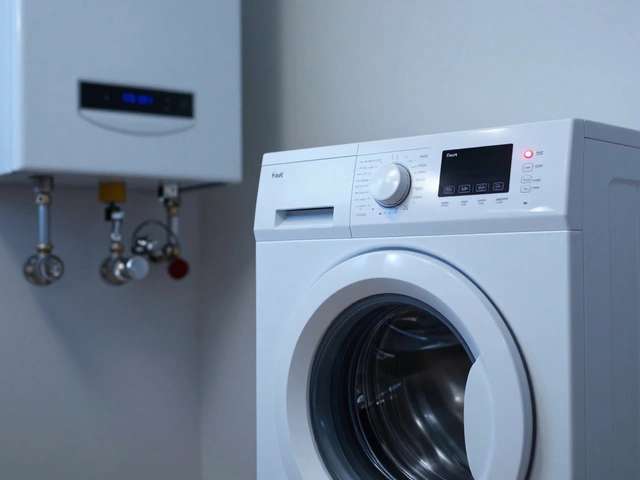
Find out if your washing machine works when the boiler is broken. Learn about cold water cycles, potential errors, and tips for UK homes.
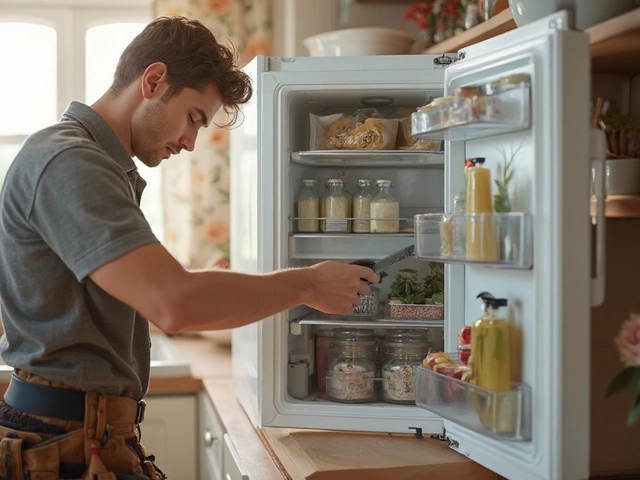
Resetting a freezer compressor may sound daunting, but it's an essential skill for maintaining your appliance's efficiency. Compressors can occasionally need a reset to function properly, potentially saving you from costly repairs or replacements. This article walks you through the steps to safely reset your freezer compressor and offers tips to prevent future issues. Understanding when and why to reset your compressor can keep your freezer running smoothly and extend its lifespan.

Proper appliance maintenance can save money, extend lifespan, and keep everything running smoothly at home. Learn about essential maintenance tips for common household appliances and understand why some regular attention can go a long way. Dive into practical tips and advice that are easy to apply and can prevent inconvenient breakdowns.
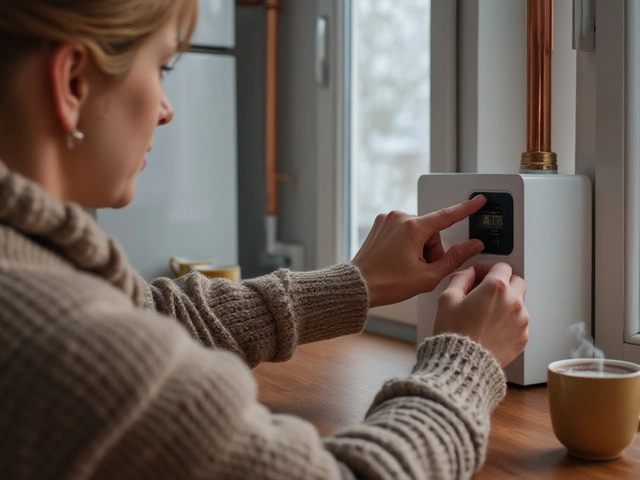
Maintaining a boiler goes beyond just an annual check-up. Regular maintenance ensures that your heating system runs efficiently, prolonging its lifespan and saving money on repairs. This article delves into necessary care tips, signs indicating a need for professional help, and actions homeowners can take to keep their boilers in top shape. Understanding the importance of each maintenance task can help prevent unexpected breakdowns, especially during colder months.
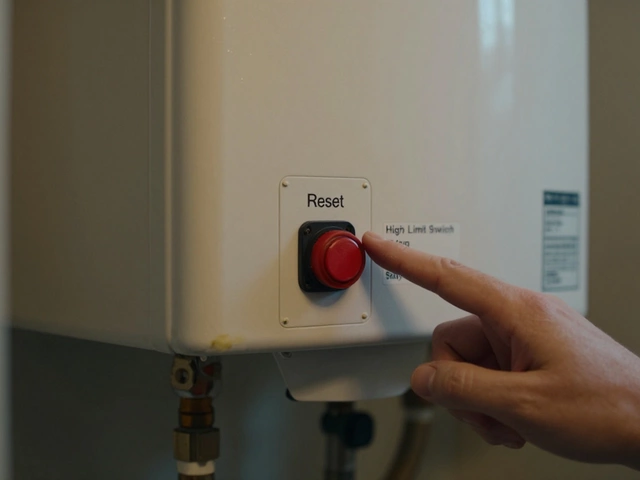
Discover why your hot water heater's reset button keeps tripping. Learn about failed thermostats, shorted elements, and sediment buildup, plus step-by-step fixes.