

Feeling a chill in the house? Most of the time it's not the weather outside, but a lazy heating system. A few easy checks each season can stop the hassle, lower bills and extend the life of your boiler, heat pump or water heater. Let’s break down what you can do right now.
Every heating component works harder when it’s dirty or out of tune. A dusty heat pump coil can lose up to 15% of its efficiency, while a neglected boiler may develop leaks that cost you a fortune. Proper upkeep also keeps you safe – a cracked water heater or a failing pressure valve can cause serious damage. Think of maintenance as insurance for comfort.
Boiler: Once a year, call a Gas Safe engineer for a full service. In the meantime, bleed radiators, check the pressure gauge (aim for 1‑1.5 bar when cold) and look for odd noises. If you hear popping or the flame looks yellow, it’s time to call a pro.
Heat Pump: Keep the outdoor unit clear of leaves and debris. Clean the indoor air filter every three months – a simple vacuum does the trick. When the pump stops blowing warm air, check the thermostat settings and make sure the power switch is on. If the problem persists, the refrigerant level might be low and needs a technician.
Water Heater: Flushing the tank once a year removes sediment that reduces heating speed. Turn off the power or gas, attach a garden hose to the drain valve, and let the water run until it’s clear. While you’re at it, inspect the anode rod; replace it if it’s heavily corroded to avoid premature tank failure.
Extractor Fans: Kitchen and bathroom fans don’t get much love, but they affect indoor air quality and can strain your heating by letting warm air escape. Check the fan blades for dust every six weeks and clean with a damp cloth. If the motor hums but the fan won’t spin, the bearings may need lubrication or the motor might need replacement.
Radiators & Thermostats: Warm rooms feel good, cold rooms feel bad. Make sure radiators are not blocked by furniture and that the bleed valves are open. Modern thermostats often have a cleaning guide – wipe the screen and check battery life.
Doing these checks yourself can save you from costly call‑outs. However, never tinker with gas valves, electrical wiring or sealed refrigerant systems unless you’re qualified. When in doubt, schedule a professional visit and ask for a written report so you know exactly what was done.
Remember, a well‑maintained heating system not only keeps you cosy but also reduces carbon footprints. Cleaner burners, clearer water and smoother fan operation mean you use less energy. That’s good for the planet and your pocket.
Set a reminder on your phone: “Spring boiler service”, “Autumn heat pump clean”, “Winter water heater flush”. Small habits turn into big savings over the years.
Ready to give your heating system a quick once‑over? Grab a screwdriver, a flashlight and a garden hose – then follow the steps above. If anything feels out of reach, call Bognor Regis Appliance Repair Experts. We’re fast, reliable and happy to keep your home at the perfect temperature year after year.

Maintaining a boiler goes beyond just an annual check-up. Regular maintenance ensures that your heating system runs efficiently, prolonging its lifespan and saving money on repairs. This article delves into necessary care tips, signs indicating a need for professional help, and actions homeowners can take to keep their boilers in top shape. Understanding the importance of each maintenance task can help prevent unexpected breakdowns, especially during colder months.

Deciding whether to fix or replace your oven in 2025? Learn real repair costs, when replacement saves money, safety risks of old ovens, and how to make the smart choice without overpaying.

Curious if you can fix your dishwasher without calling a pro? This article breaks down the most common dishwasher problems and explains which repairs you can actually do yourself. We’ll cover how complicated these appliances really are, how to figure out what’s wrong, the tools you’ll need, and which jobs might leave you better off calling an expert. Get practical tips, interesting facts, and a clear picture of what you’re actually signing up for before grabbing that toolbox.
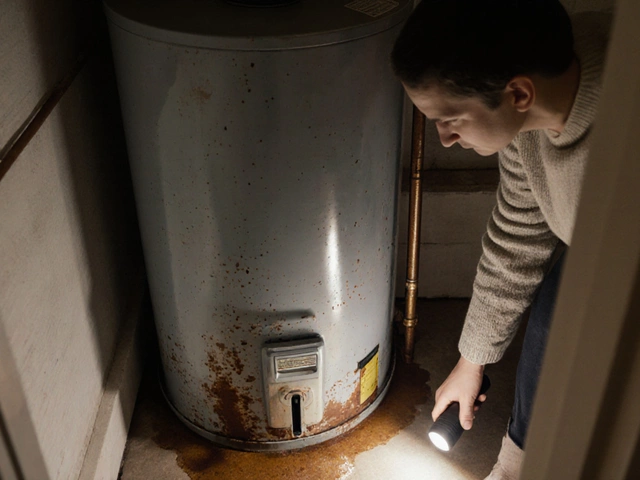
Find out if fixing a 20‑year‑old water heater makes sense. Compare repair costs, energy loss, and replacement price to decide the best move for your home.

Thinking about replacing your electric oven on your own? This article breaks down what you need to know about doing it yourself— from basic safety to common pitfalls. Learn how tricky the process can get, which tools you might need, and when it's smarter to call a pro. Get tips to save money and avoid kitchen disasters. Designed for anyone who values a good meal and a working oven.

If your boiler stops working, know who to call and what to do immediately. This guide covers emergency steps, how to find a Gas Safe engineer, repair costs, and how to prevent future breakdowns in the UK.