

If you’ve just installed a heat pump or have been living with one for a few years, you probably have a mix of good days and frustrating ones. One minute it’s keeping the house cosy, the next it’s blowing cold air or making odd noises. The good news? Most of those hiccups are fixable without calling a specialist, and knowing how long a heat pump should last helps you plan for the future.
The first thing to check is the thermostat setting. It sounds obvious, but setting it to ‘cool’ by mistake is a common slip‑up. If the settings are right, move on to the filters. A clogged air filter restricts airflow, making the unit work harder and sometimes shutting down the heating cycle. Swap out the filter – most are cheap and fit in a minute.
Next, look at the outdoor unit. Leaves, dust, or a blocked fan can cause the coil to freeze, which stops warm air from being produced. Turn the unit off, clear any debris, and let the coil thaw for 30 minutes. When you switch it back on, you should feel warm air again.
If the problem persists, the refrigerant level might be low. Low refrigerant usually means a leak, which isn’t a DIY fix. Call a qualified engineer to check the pressure and repair any leaks. While you’re waiting for a pro, keep the indoor fan on low to circulate whatever heat is still being generated.
In the UK, a well‑maintained air‑source heat pump typically lasts 12‑15 years, while ground‑source models can push 20 years or more. The biggest factors that shorten life are poor maintenance, harsh weather, and running the unit constantly at very low temperatures.
Regular maintenance is the cheapest way to extend lifespan. Clean the outdoor coils twice a year, replace filters every three months, and schedule a professional check‑up before the heating season starts. A quick inspection can spot worn bearings, loose wiring, or low refrigerant before they cause a breakdown.
Another tip: avoid setting the thermostat too high. Running the pump at maximum output every night puts extra strain on compressors and can cut years off the unit. A comfortable 20‑21°C is usually enough for most homes and is kinder to the equipment.
When you finally reach the end of the pump’s life, don’t rush to replace it with the same model. Newer units are more efficient, especially in colder weather, and the government sometimes offers incentives for upgrading to a higher‑efficiency model.
Bottom line: keep filters clean, clear the outdoor unit, schedule a yearly service, and avoid extreme thermostat settings. Those simple steps will keep your heat pump humming for years and save you money on energy bills and unexpected repairs.
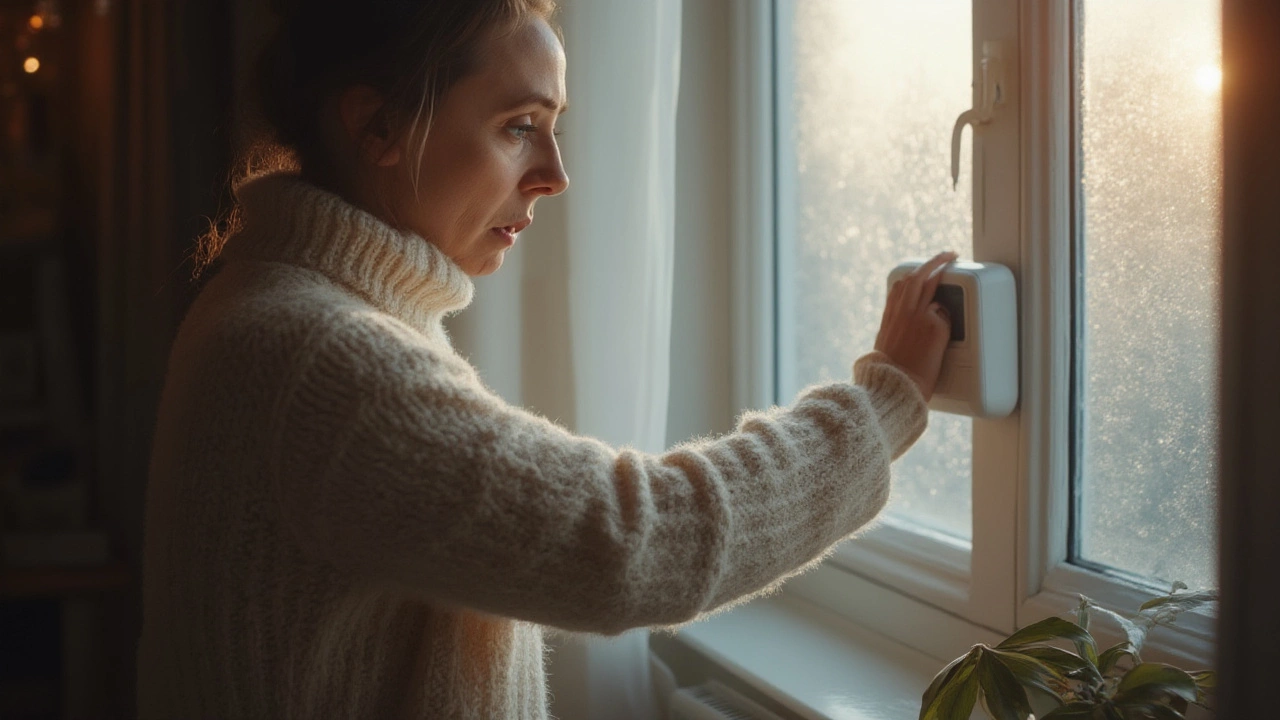
Learn how to spot a malfunctioning heat pump, recognize warning signs early, and troubleshoot issues to keep your home comfortable and energy bills in check.

A reliable heat pump is essential for maintaining comfort in your home. Some signs indicate that your heat pump might need replacing, such as increased energy bills, inconsistent temperatures, strange noises, old age, and frequent repairs. Understanding these warning signs can help you decide if it's time to invest in a new system.
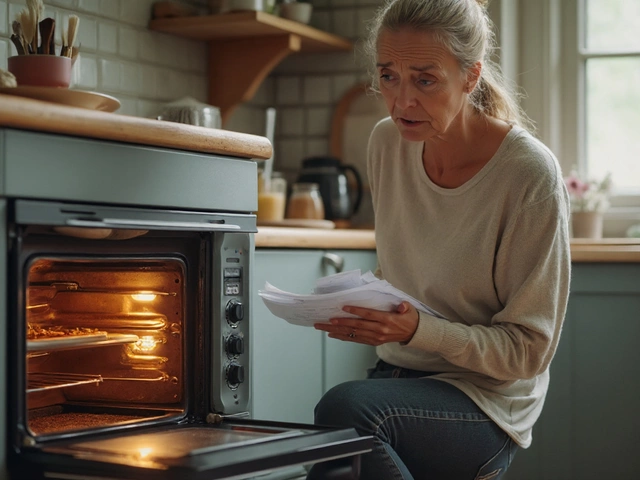
Got an electric oven that's not heating? Discover the most common issues, why they happen, and how you can fix or prevent them without calling a pro.
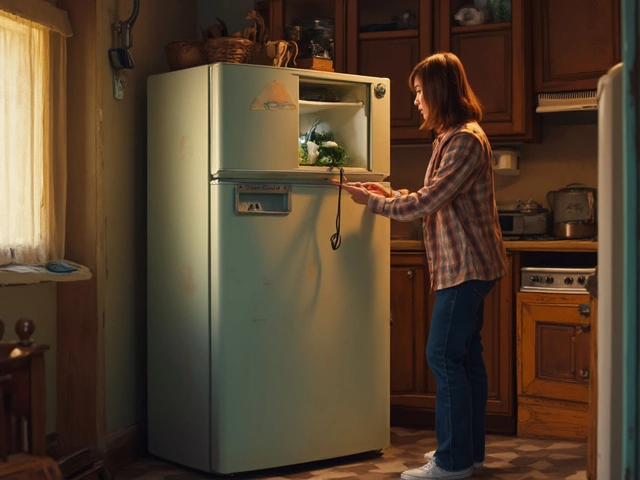
When your refrigerator suddenly stops working, it can cause quite a panic. But before calling in the repair services, there's one crucial thing you should check first: the power source. This step is often overlooked but can save you both time and money. Reliability and efficiency in troubleshooting can help bring your fridge back to life or at least determine the next best steps.
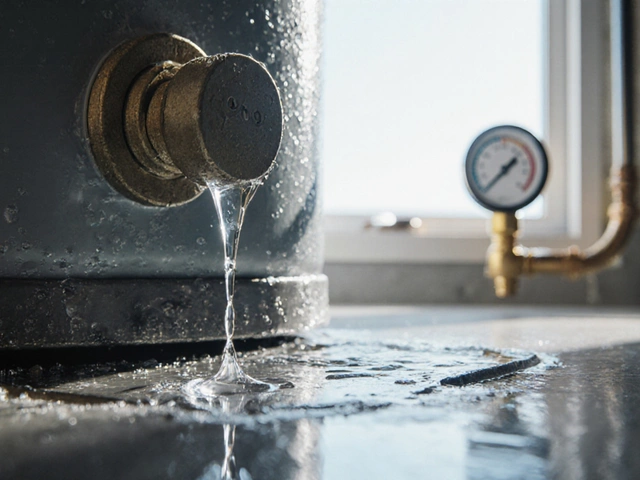
Water heater leaks usually come from five common spots: the pressure relief valve, anode rod, drain valve, tank corrosion, or pipe fittings. Learn where to look and how to fix it before it turns into a flood.
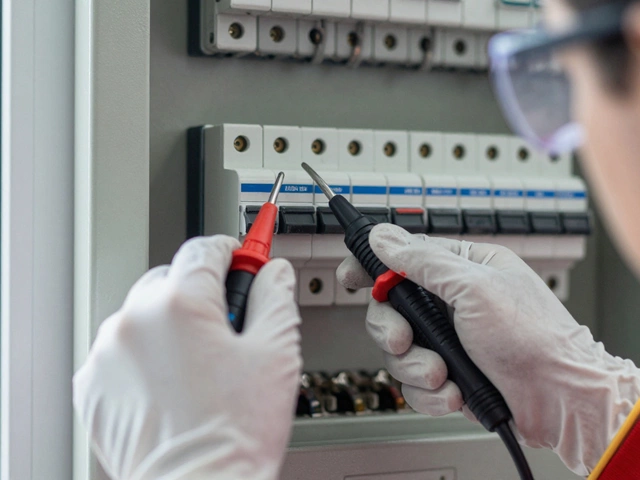
Learn how to safely clean your extractor fan motor to improve airflow, reduce odors, and prevent costly repairs. This guide covers safety steps, tools needed, and step-by-step instructions for a thorough clean.
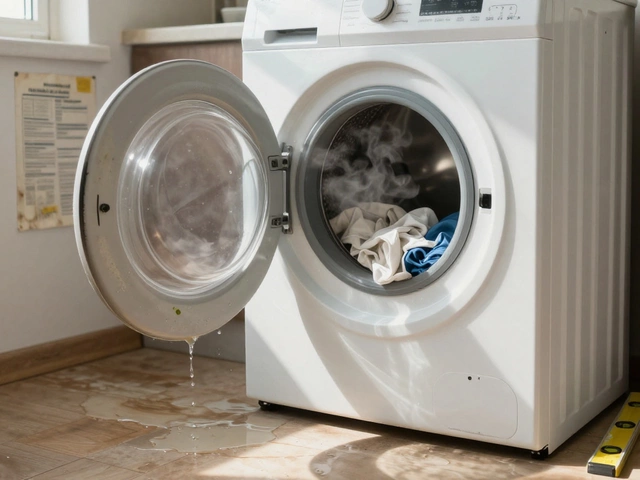
Most washing machines last 8-12 years, but signs like loud noises, leaks, or error codes mean it's time to consider repair or replacement. Learn how to extend its life and when it's better to buy new.