

If your heat pump is humming but not heating, blowing cold air, or flashing error codes, you’re not alone. Most problems are caused by a few easy‑to‑check things, and fixing them yourself can save time and money. Below you’ll find the most common symptoms, what to look for, and a handful of do‑it‑yourself steps that work for both air‑source and ground‑source units.
1. No heat, only airflow. This usually means the compressor isn’t kicking in. Check the thermostat setting first – it should be on “heat” and set above the outside temperature. If the thermostat looks right, listen for the compressor’s low‑pitch whine. No sound? You may have a tripped breaker or a blown fuse.
2. Ice buildup on the outdoor coil. A thin layer of frost can be normal, but thick ice blocks airflow and forces the unit into defrost mode repeatedly. Look for a blocked fan, low refrigerant, or dirty filters. Turn off the unit, let the ice melt, then clean the coil and replace the filter.
3. Strange noises. Rattles often mean loose panels or screws, while buzzing can signal electrical issues. Shut the system off, tighten any visible bolts, and inspect the fan blades for damage. If the noise persists, it’s safest to call a qualified technician.
4. Error codes on the display. Modern heat pumps show a code when something goes wrong. Write down the code and look it up in the user manual – most guides explain what each code means and whether it’s a quick reset or a deeper repair.
5. High energy bills. An inefficient pump works harder and costs more. Check that the outdoor unit isn’t in direct sunlight, and make sure vegetation isn’t blocking airflow. Dirty coils or a clogged filter can also force the system to run longer than needed.
Regular filter changes. Air‑source units use a disposable filter that should be swapped every 1‑3 months, depending on usage. A clean filter improves airflow and reduces strain on the compressor.
Clean the outdoor coil. Once a year, use a garden hose (low pressure) to spray away dust and debris. Avoid high‑pressure sprays that could bend the fins. For stubborn grime, a soft brush works well.
Check the refrigerant level. Low refrigerant is a sign of a leak and can cause the coil to freeze. While topping up refrigerant is a job for a pro, you can spot a leak by looking for oily spots around connections.
Inspect the condensate drain. A clogged drain can cause water to back up and trigger error codes. Pour a cup of white vinegar down the pipe every few months to keep it clear.
Schedule an annual professional service. Even if you handle the basics, a yearly check‑up catches hidden wear, tests safety controls, and keeps the warranty valid.
By tackling these straightforward checks, you’ll keep your heat pump running efficiently through the cold months and avoid costly emergency calls. Remember, safety comes first – always turn the power off before opening any panels, and never attempt refrigerant work without proper training. When in doubt, a licensed installer can quickly diagnose harder issues and get your system back to full strength.
Ready to give your heat pump a quick check? Grab a screwdriver, locate the filter, and follow the steps above. A few minutes of effort now can mean a warm, comfortable home all winter long.

Is your heat pump not blowing warm air? Here’s what causes it and how you can troubleshoot the issue. Easy fixes and tips for a cozy home.

Is your heat pump running but not cooling your home? Learn the real causes, expert troubleshooting tips, and practical solutions to get your comfort back.
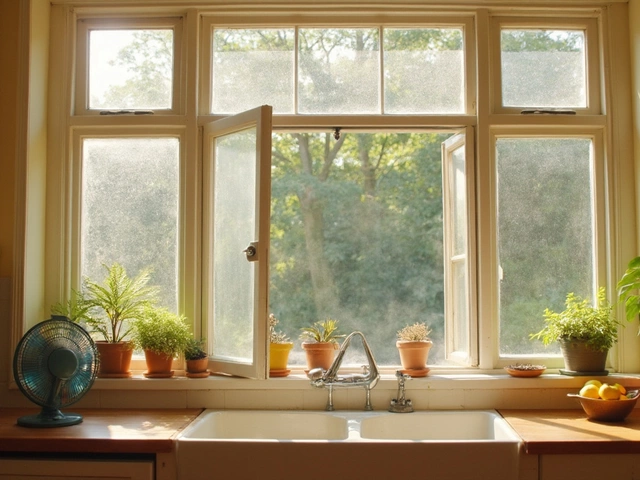
Stuck with a broken extractor fan and not sure what to do next? This article gives you practical ideas for improving air flow in your kitchen or bathroom when the fan is out of action. Learn about effective ways to keep humidity, smells, and condensation under control using simple tools and habits. Discover the pros and cons of each alternative solution so you can pick what fits your place best. Skip the stress and get the facts on dealing with bad ventilation the easy way.
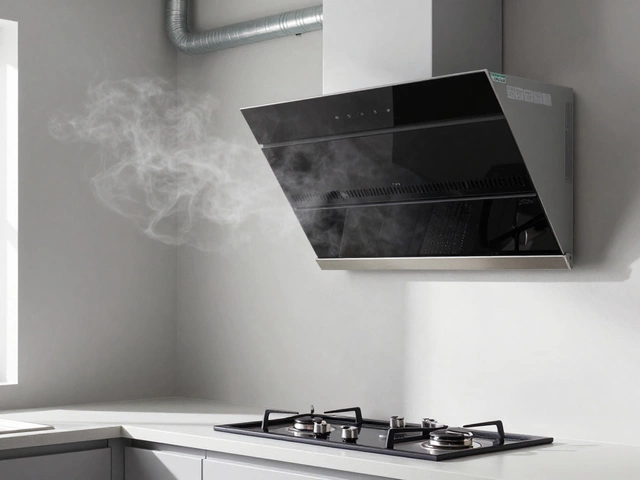
In the UK, you legally need an extractor fan in your kitchen if you have a gas hob or have done major renovations since 2006. Learn what the regulations require and why skipping it could cost you more than installing one.

Thinking of fixing your own water heater? Learn when DIY is safe, common problems, money-saving tips, and when to call a pro.
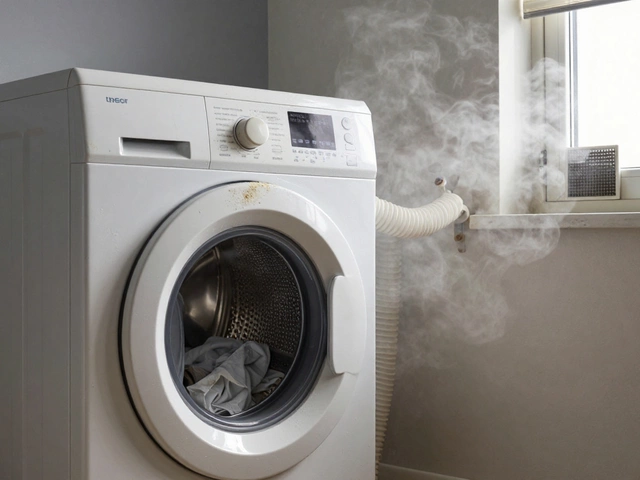
Most tumble dryers last 8-13 years, but poor maintenance can cut that in half. Learn the signs your dryer is failing, when to repair vs replace, and how to make it last longer.
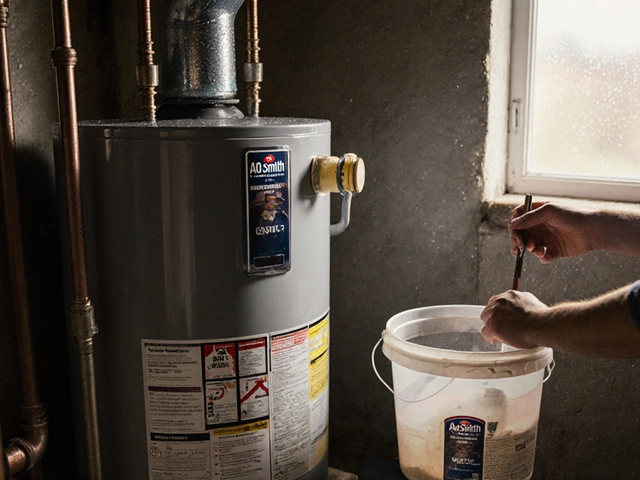
AO Smith, Bradford White, and Rheem are the most durable water heater brands, often lasting 12-15 years with proper maintenance. Learn what really affects lifespan and how to make your heater last longer.