

If your heat pump isn’t keeping your home comfy, you don’t have to panic. Most issues are easy to spot and often fixable with a few basic steps. Below you’ll find the most common problems, quick DIY checks, and clear signs that it’s time to call a professional in Bognor Regis.
First, look at the outdoor unit. Is it covered in leaves, dust, or ice? A blocked fan or coil can make the pump work harder and stop cooling or heating. Turn off the power, clear away debris, and gently rinse the coils with water. Let the unit dry before you turn it back on.
Next, check the indoor thermostat. Sometimes the settings are simply wrong – the heat mode might be selected when you need cooling, or the temperature setpoint is too high. Reset the thermostat, make sure the mode matches the weather, and see if the system reacts.
Another easy check is the air filter. A clogged filter reduces airflow, causing the pump to overheat and shut down. Remove the filter, tap out the dust, or replace it if it looks dirty. This alone can restore performance.
If you hear strange noises – rattling, buzzing, or whining – the fan blades might be hitting something or the motor could be loose. Tighten any visible screws and make sure nothing is stuck in the fan. Still noisy? That’s a sign a technician should look at the motor.
Lastly, watch for error codes on the display panel. Most modern heat pumps flash a code when something’s wrong. Write down the code and look it up in the user manual; often the guide will suggest a simple reset or filter change.
Even with these checks, some issues need a trained eye. If the unit won’t start at all after you’ve verified power and cleared debris, the problem could be a refrigerant leak or a faulty compressor – both require a certified technician.
Leaking water is another red flag. Small drips from the condensate line are normal, but puddles around the indoor unit suggest a blocked drain or a broken pump. A pro can clear the line and replace any damaged parts.
If you notice a drop in efficiency – higher bills while the system runs longer – the refrigerant level might be low. Only a licensed engineer can recharge the system safely and legally.
Finally, any work involving electrical components, gas connections, or refrigerant should be left to experts. Attempting DIY on these parts can be dangerous and may void warranties.
At Bognor Regis Appliance Repair Experts, we specialise in heat pump repairs. Our technicians know the local climate and can quickly diagnose issues that affect performance in coastal areas. We’ll explain what needs fixing, give you a clear price, and get your heat pump back to peak efficiency.
Remember, regular maintenance – cleaning the outdoor coil, changing filters every three months, and an annual service check – can prevent most breakdowns. Schedule a visit before winter hits, and you’ll avoid costly emergencies when you need heat most.
Got a heat pump problem that’s stubborn? Give us a call, describe the symptoms, and we’ll arrange a same‑day visit. Fast, reliable service is just a phone call away.
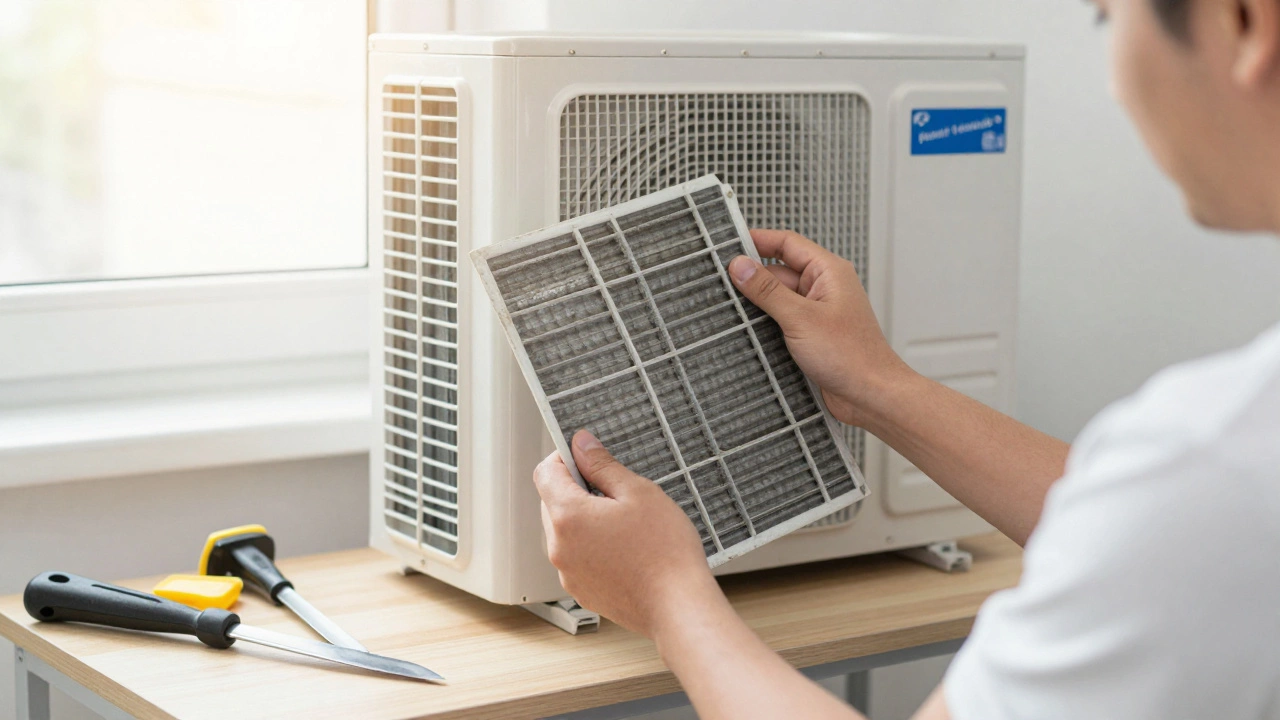
You can fix some heat pump issues yourself - like dirty filters or tripped breakers - but refrigerant leaks, compressor failures, and electrical problems require a professional. Know the limits before you try a DIY repair.
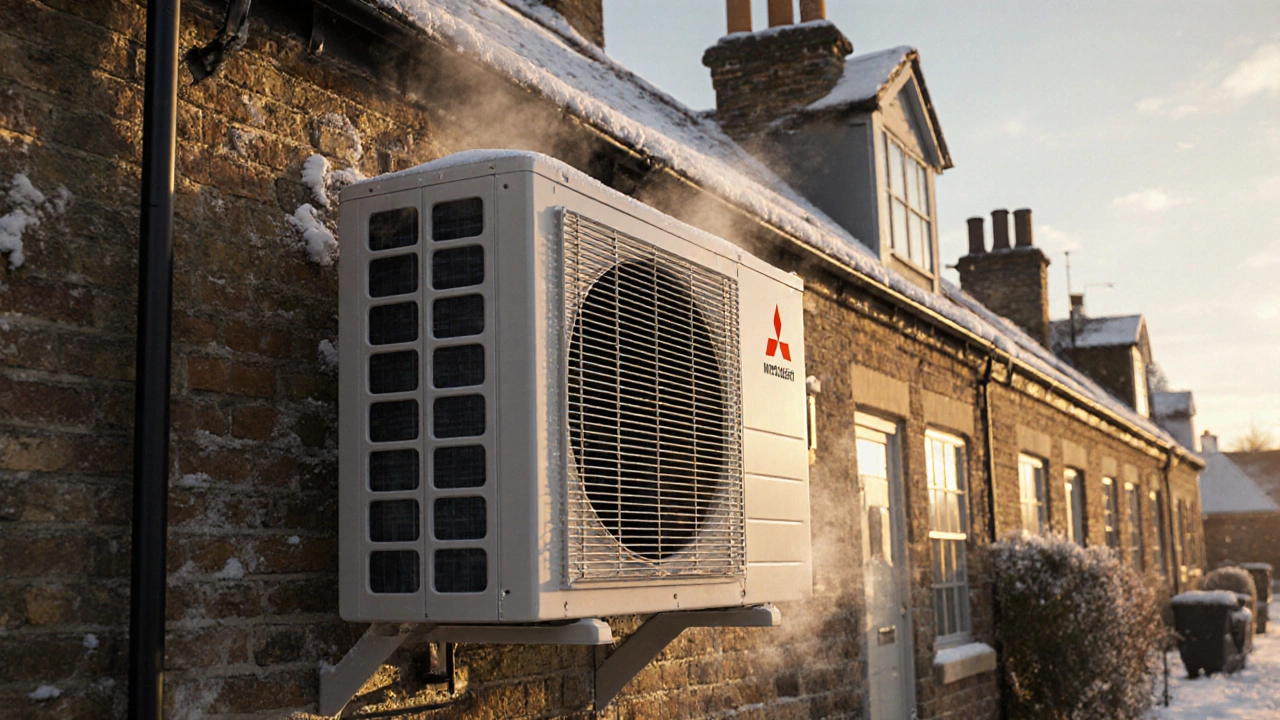
Discover the most reliable heat pump brands for UK homes in 2025, based on real repair data, warranty claims, and installer feedback. Avoid costly mistakes by choosing wisely.
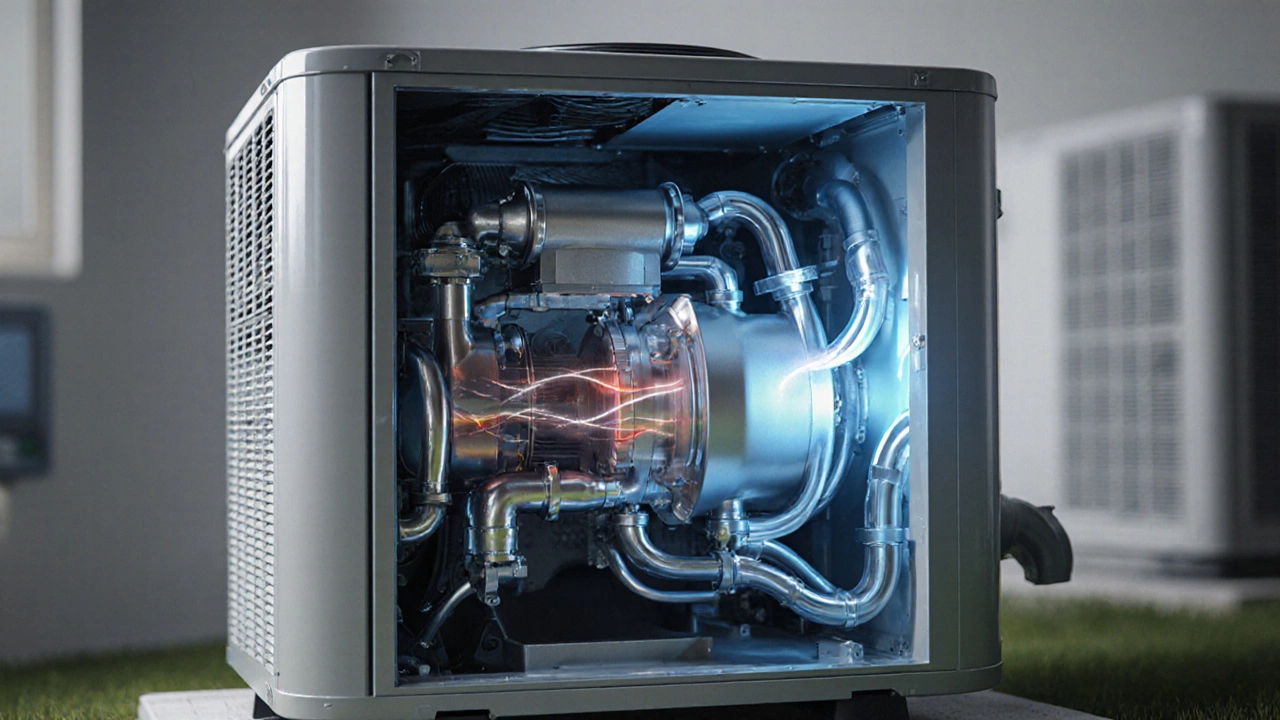
Find out the 2025 price range for heat pump compressors, what factors affect cost, how to get accurate quotes, and whether DIY or professional installation is best.

Is your heat pump not blowing warm air? Here’s what causes it and how you can troubleshoot the issue. Easy fixes and tips for a cozy home.

Discover what causes heat pumps to break down, the warning signs, and how to keep yours running smoothly with practical tips for any homeowner.

Heat pumps are reliable, but they aren’t perfect. Most people run into the same headache: their heat pump is running, but the air isn’t getting warm (or cool) enough. This article breaks down why this happens, what you can do before calling a pro, and how to keep your heat pump running smoothly. Get to know the main reasons behind weak heat and poor air flow, and pick up easy tips to avoid repeat problems. It’s practical info every homeowner can use.

Figuring out if your microwave is on its last legs can save you a lot of hassle. There are various signs that might indicate it's time for a fix or a replacement. Understanding these symptoms can help maintain your kitchen's efficiency. Here’s what you need to watch for: strange noises, inconsistent heating, and more. Catch these early, and you might avoid a total breakdown.

When it comes to microwaves, understanding their lifespan is crucial for homeowners looking to make informed decisions about maintenance and replacement. This article delves into the essential factors that affect the longevity of microwaves, offering practical tips on extending their lifespan and recognizing when it's time for a new one. You'll learn about common signs of wear and tear, the importance of proper usage, and how regular servicing can enhance performance. Discover how to keep your microwave running efficiently and what to do when repairs are inevitable.

Discover practical solutions to restore hot water in your shower with ease. Learn about common problems affecting water heaters and the steps to troubleshoot each issue. This guide will walk you through changing settings, checking components, and knowing when to call a pro. Take control of your hot water system and enjoy a soothing shower experience once again. Ideal for homeowners facing frustrating lukewarm showers.
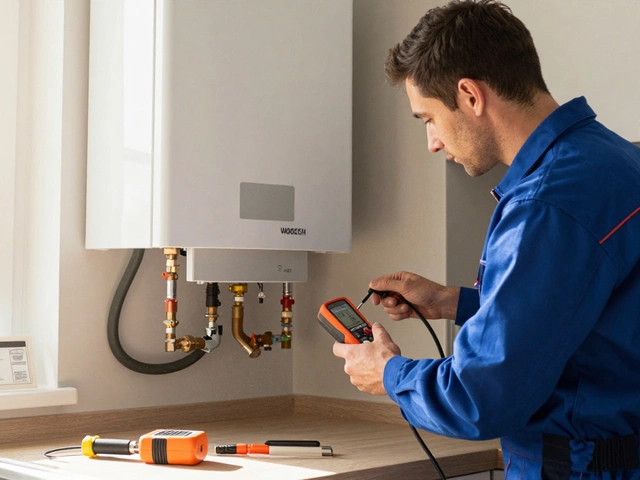
A typical boiler service takes 60 to 90 minutes, but older or neglected systems may require 2-3 hours. Regular annual servicing prevents breakdowns, improves efficiency, and keeps warranties valid. Always choose a plumber who tests gas safety and provides a written report.
Stuck with a broken extractor fan and not sure what to do next? This article gives you practical ideas for improving air flow in your kitchen or bathroom when the fan is out of action. Learn about effective ways to keep humidity, smells, and condensation under control using simple tools and habits. Discover the pros and cons of each alternative solution so you can pick what fits your place best. Skip the stress and get the facts on dealing with bad ventilation the easy way.