

When you hear heat pump reliability, how consistently a heat pump delivers heating and cooling without major breakdowns over time, most people think of quiet operation and low bills. But the real question isn’t whether they work well in theory—it’s whether they’ll still be working when you need them most. A heat pump isn’t just a fancy heater. It’s a complex system that moves heat, not just generates it. That means more parts can go wrong, and when they do, repairs aren’t always simple. In Bognor Regis, where winters get chilly and summers get humid, heat pumps are popular. But not all of them last. The average heat pump lifespan, the typical number of years a heat pump operates before needing major replacement is 10 to 15 years. That’s less than a traditional boiler, and it’s not because they’re poorly made. It’s because they’re used harder. They run year-round, switching between heating and cooling, and that constant cycling wears out compressors, fans, and valves faster than you’d expect.
What kills a heat pump isn’t usually one big failure—it’s neglect. A dirty filter, a blocked outdoor unit, or a refrigerant leak that goes unnoticed for months can turn a minor issue into a full system crash. And when that happens, the cost to replace isn’t cheap. Many homeowners don’t realize that heat pump maintenance, regular cleaning, inspection, and tuning to prevent breakdowns and extend system life isn’t optional. It’s the difference between a 12-year life and a 6-year nightmare. You wouldn’t skip oil changes in your car, so why skip checking your heat pump? In our repairs, we see the same mistakes over and over: people wait until the unit stops working, then panic. By then, it’s often cheaper to replace than fix. And if you’re thinking about switching to a heat pump, know this: reliability doesn’t come from the brand alone. It comes from installation quality, regular service, and how you use it. A well-maintained unit can outlast its warranty. A poorly maintained one might die before you even break even on energy savings.
There’s no magic trick to making your heat pump last. It’s not about buying the most expensive model. It’s about knowing what to watch for—strange noises, uneven heating, ice on the outdoor unit, or a sudden spike in your electricity bill. These aren’t just inconveniences. They’re warning signs. And if you’re in Bognor Regis and your heat pump is acting up, you’re not alone. We’ve fixed hundreds of them. The good news? Most problems can be caught early. The bad news? Most people ignore them until it’s too late. Below, you’ll find real repair stories, common mistakes, and what actually works to keep your heat pump running smoothly. No fluff. Just what you need to know to avoid costly surprises.
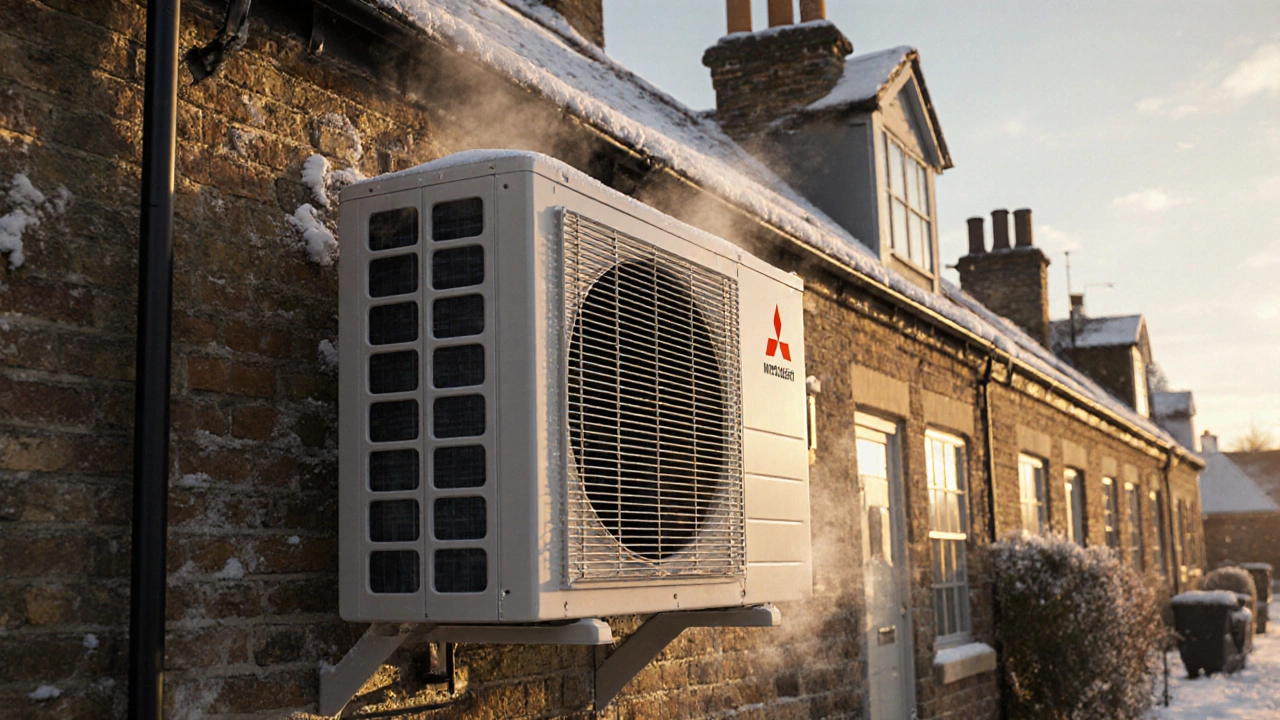
Discover the most reliable heat pump brands for UK homes in 2025, based on real repair data, warranty claims, and installer feedback. Avoid costly mistakes by choosing wisely.
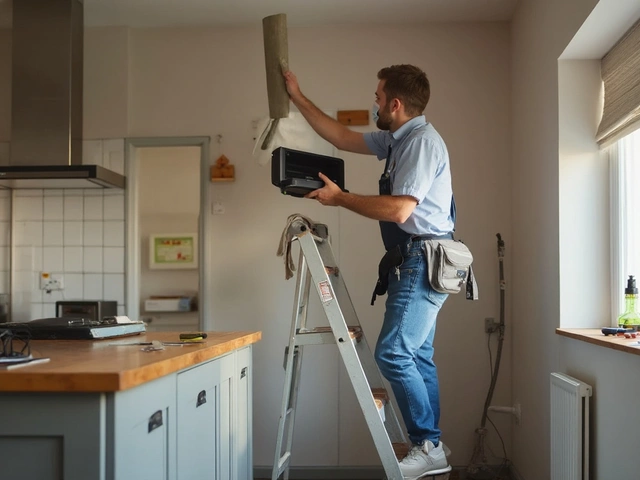
Wondering if you can swap out an extractor fan without calling in a pro? This article breaks down what it really takes to replace an extractor fan yourself, from the easy steps to watch-outs that could trip you up. Learn which tools you’ll need, how to stay safe with electricity, and where to draw the line and call an expert. Get helpful tips and facts straight from a practical perspective. Perfect for anyone ready to tackle a home repair without risking their safety or their ceiling.
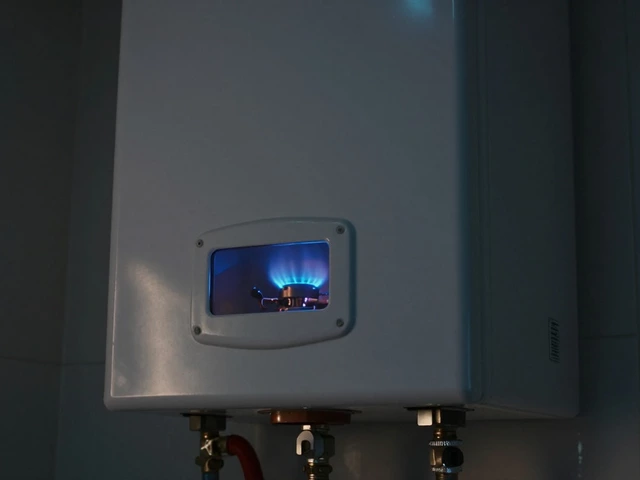
Discover why your hot water stopped working. From pilot lights to thermostats, learn the most common causes of no hot water and how to fix them yourself.

Ever wondered how long your trusty range oven will last? On average, a well-maintained range oven can serve you for about 10 to 15 years. Routine cleaning and minor repairs can help extend its lifespan. Knowing when to repair or replace your oven is crucial for efficiency and safety. Read on for practical tips to make sure your oven lasts as long as possible.
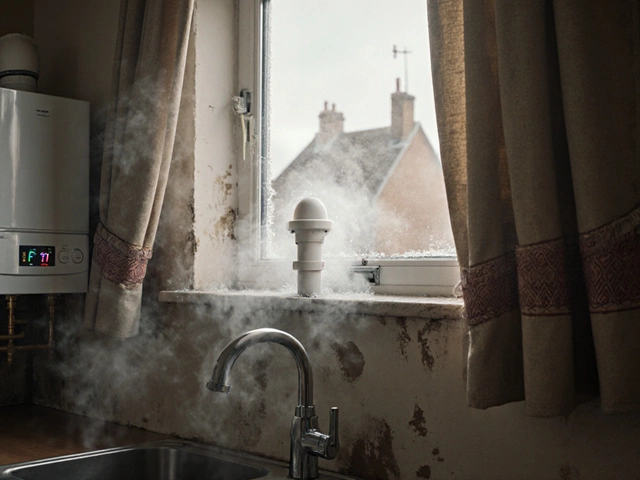
Your hot water stopped suddenly? This guide breaks down the top 7 causes - from low pressure to frozen pipes - and shows you how to fix them yourself before calling a plumber.

This article breaks down what 'appliance for a job' really means in the appliance service world. It explains common misunderstandings and clarifies whether it refers to equipment or applying for work. The piece gives real-world examples, explores the hiring process for technicians, and shares tips for both customers and job seekers. Straightforward info keeps things practical and easy to follow. If you've ever scratched your head at this phrase, you'll finally get the answer here.