

If you’ve just installed a heat pump or are thinking about buying one, the big question is likely how long it will stick around. Most heat pumps in the UK last between 15 and 20 years when they’re looked after properly. That might sound like a long time, but in reality a lot can affect whether you hit the upper end of that range.
First off, the climate plays a big role. Heat pumps work harder in colder weather, and if you live in an area that frequently drops below 0°C, the unit will run more cycles and wear out faster. Bognor Regis has relatively mild winters, so you’re already at an advantage.
Second, usage patterns matter. A pump that’s cranked on for 12 hours a day will age quicker than one that’s used just to top up the house on chilly evenings. Try to keep the thermostat at a steady, moderate temperature instead of constant highs and lows.
Third, the quality of the installation is crucial. Poorly sized units, bad ductwork, or incorrect refrigerant levels can cause strain that shortens life. Always hire a certified technician who knows local codes and the specific model you bought.
Lastly, regular maintenance is the game‑changer. Skipping annual check‑ups means dust, debris, and refrigerant leaks go unnoticed, and those small issues snowball into major failures.
1. Schedule yearly service. A qualified engineer will clean the coils, check the refrigerant pressure, and tighten any loose connections. This usually takes an hour and can add a few years to the unit’s life.
2. Keep the area clear. The outdoor unit needs space to breathe. Remove leaves, snow, or garden tools that might block airflow.
3. Change filters regularly. If your system has air filters, swap them every 1‑3 months during heavy use. A clogged filter makes the fan work harder and can overheat the motor.
4. Monitor performance. If you notice the house getting colder faster than usual, longer run times, or strange noises, it’s a sign something’s off. Catching the problem early saves money.
5. Use a programmable thermostat. Setting the pump to lower the temperature at night or when you’re out reduces unnecessary cycles, which translates to less wear.
When you start seeing a drop in efficiency—like the pump runs for hours but still can’t keep the house warm—it might be time to think about replacement. Upgrading to a newer, higher‑efficiency model can cut your energy bills by 10‑20%.
In the end, a well‑maintained heat pump can give you reliable heating and cooling for two decades or more. Keep an eye on the signs, stick to a maintenance schedule, and you’ll get the most bang for your buck.
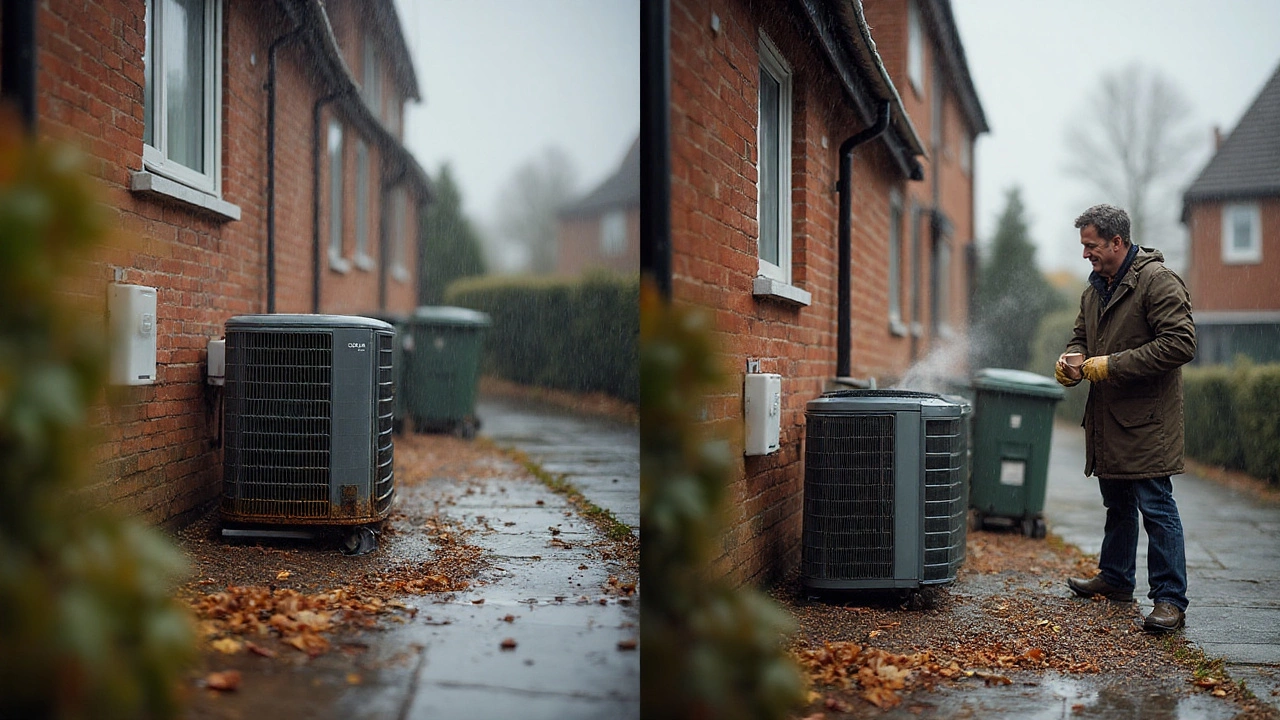
Real UK lifespan for air vs ground source heat pumps, what shortens or extends life, maintenance steps, and a simple repair-or-replace guide you can actually use.
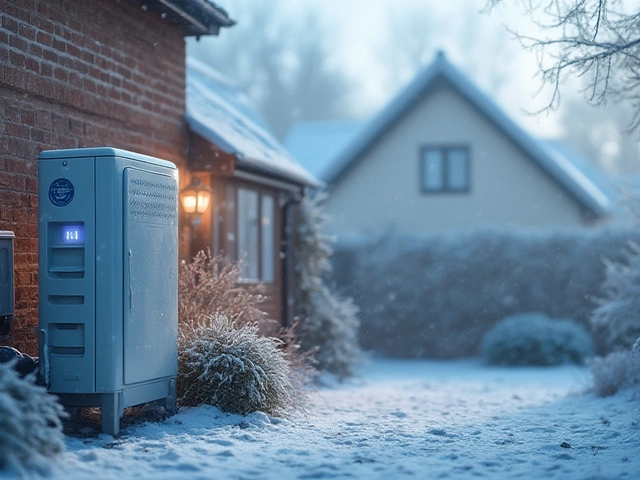
Wondering what temperature makes a heat pump stop working well? Learn the cold limits, key facts, and expert tips for running heat pumps in harsh winters.
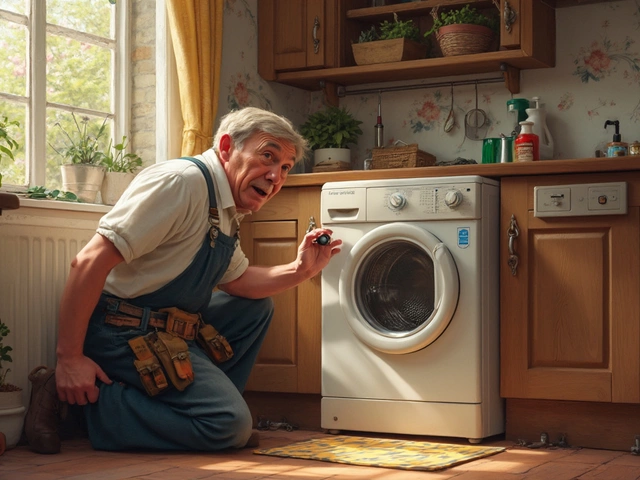
An appliance technician plays a crucial role in keeping household and commercial appliances running smoothly. They diagnose issues, perform necessary repairs, and offer maintenance tips to prevent future problems. Understanding their responsibilities helps in appreciating their importance. This article provides insights into the day-to-day duties of an appliance technician and offers tips for those aspiring to join this field.

Find out why your hot water vanished, walk through quick DIY checks, learn simple fixes, and know when to call a professional for reliable heat restoration.
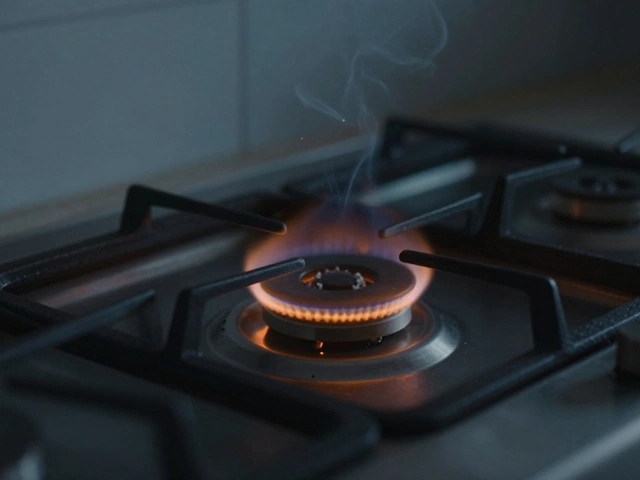
A bad gas oven igniter won't always fail completely. Watch for slow lighting, gas smells, weak flames, or no glow at all. These signs mean it's time to replace the igniter before gas leaks or the oven stops working entirely.
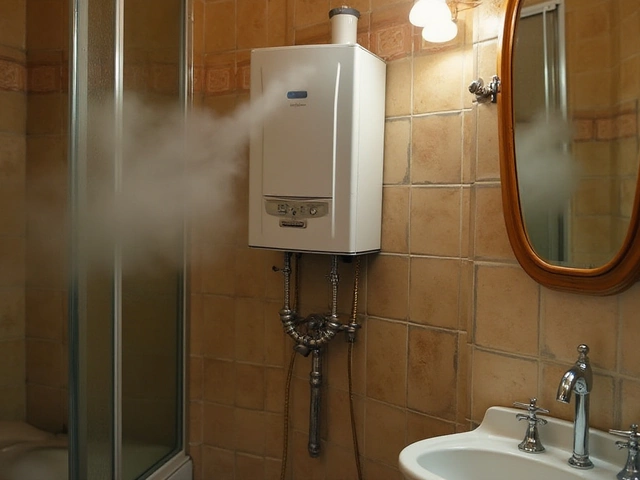
When your hot water heater isn't supplying the steamy showers you're used to, it might be due to a faulty heating element. This article dives into common indicators of a malfunctioning water heater element, such as unusual noises, inconsistent water temperatures, and an unexpected spike in your energy bills. You'll learn how to diagnose potential issues and gather insights on troubleshooting these problems. While some fixes might require professional expertise, understanding the basics can help you pinpoint the root of the problem and decide the best course of action. Get ready to reclaim your warm water comfort!