

If your heat pump suddenly stops heating, refuses to cool, or makes weird noises, you’re probably wondering what’s wrong. The good news is many issues are simple to spot and fix without a big bill. Below we break down the most common failures, give you step‑by‑step fixes, and tell you when it’s time to call a qualified technician.
Heat pumps are built to work year‑round, but they face a few stress points. The outdoor unit can get clogged with leaves, dirt, or snow, reducing airflow and making the compressor overheat. Inside, a faulty thermostat or loose electrical connection can send the wrong signals, leaving you with cold rooms in winter or a warm house in summer.
Another frequent culprit is the refrigerant level. Low refrigerant often means a leak somewhere in the system, which not only lowers performance but can damage the compressor. Finally, age matters – after 10‑15 years many parts start to wear out, and the whole unit may become inefficient.
1. No Warm Air Coming Out
Start by checking the filter and the outdoor fan. A dirty filter blocks airflow; replace or clean it in under five minutes. Next, clear any debris around the outdoor coil – a garden hose on low pressure works fine. If the fan still won’t spin, turn off power, open the unit, and look for a broken fan blade or loose wiring. Tighten any loose connections and set the fan back in place.
2. Unit Won’t Cool
Switch the system to ‘cool’ mode and listen for the compressor click. If you hear a click but no humming, the capacitor may be bad. Replacing a capacitor is a quick job for an electrician, but you can test it with a multimeter if you’re comfortable. Also, verify that the outdoor unit isn’t frozen – ice buildup indicates low refrigerant or a bad defrost timer.
3. Strange Noises
Squealing usually points to a loose belt or worn motor bearings. Open the access panel, tighten any loose bolts, and lubricate the motor shaft with a few drops of light oil. Rattling sounds often mean something is loose in the fan housing – secure any stray screws or metal clips.
4. Thermostat Won’t Communicate
Reset the thermostat by turning it off for a minute and then powering it back on. If that doesn’t help, check the wiring at both the thermostat and the indoor unit. Look for loose or corroded terminals and tighten them. A dead battery in the thermostat can also cause drop‑outs, so replace it if needed.
5. Frequent Short‑Cycling
This happens when the system turns on and off quickly. It’s often caused by an oversized unit, dirty filters, or a blocked condensate line. Clean the drain pipe with a cup of bleach and warm water, then run the system again. If short‑cycling persists, you may need a professional to adjust the refrigerant charge.
While many of these fixes are DIY‑friendly, never work on the refrigerant lines yourself – that’s a job for a certified technician. If you’ve tried the above steps and the unit still misbehaves, schedule a service call. A pro can locate hidden leaks, test pressures, and replace worn compressors safely.
Keeping your heat pump in tip‑top shape is mostly about regular maintenance. Clean the filters every 30 days, sweep away debris from the outdoor coil twice a year, and schedule a professional check‑up before the heating season starts. A little care now saves you from costly breakdowns later.
So next time your heat pump acts up, run through this checklist first. You’ll likely solve the problem yourself, avoid an emergency call, and keep your home comfortable all year long.
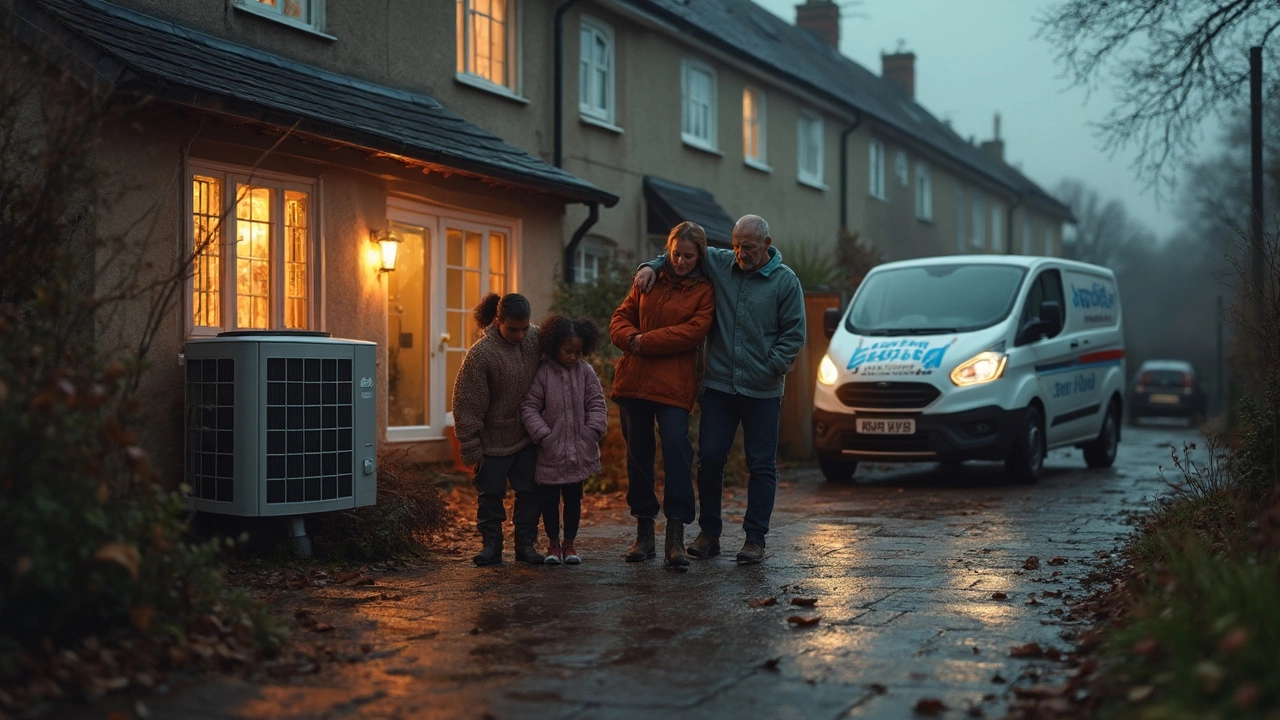
Discover what causes heat pumps to break down, the warning signs, and how to keep yours running smoothly with practical tips for any homeowner.
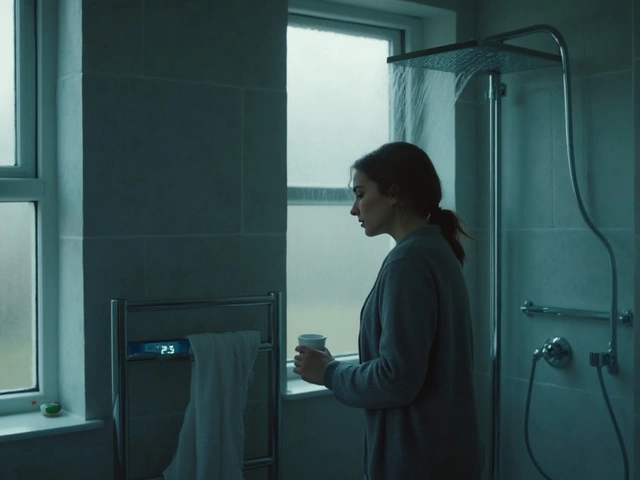
When your boiler breaks down, taking a comfortable shower suddenly feels like a luxury. This article explains exactly what happens to your shower when a boiler goes out, ways to still get clean, and when you should call in a professional. Learn alternative methods for washing, bust some myths about cold showers, and get tips on preventing future breakdowns. We even cover what to do if you have kids or need to keep up with fitness routines. Staying clean during a crisis isn’t impossible—you just need a bit of know-how and some creative solutions.

Deciding whether to repair or replace a refrigerator can be a puzzling task for most homeowners. Factors like the age of the fridge, the cost of repairs, and energy efficiency play crucial roles in this decision. Getting a new fridge might seem attractive with the latest features, but sometimes repairing your old one is the better choice. Before making a move, it’s essential to weigh the pros and cons to make an informed choice.
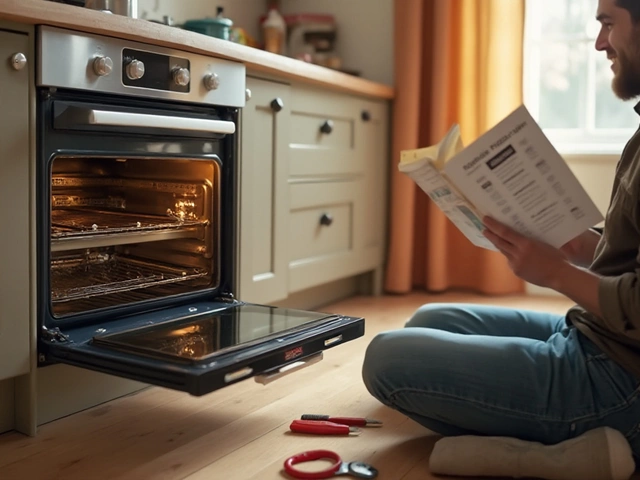
If your electric oven isn't heating properly, it might be time to replace the heating element. Understanding the costs and what's involved in the repair process can help you make informed decisions. This article dives into the factors affecting replacement costs, step-by-step guidance on how to change the element, and practical tips to ensure your oven runs smoothly. With these insights, you can tackle the repair yourself or hire the right professional for the job.
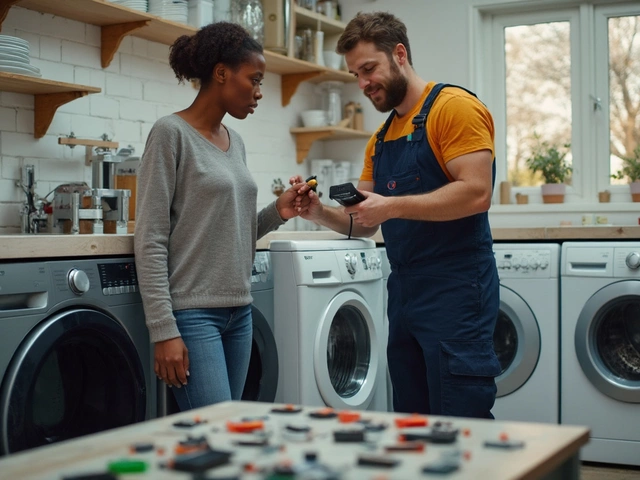
Curious which washing machine brand stands up best to repairs and everyday wear? This article digs into brand reliability, repair costs, and little-known tips every washing machine owner should know before buying or fixing one. You'll get the real scoop on which brands are easiest to fix, which have the cheapest parts, and what actually ends up causing most breakdowns. Whether you've had bad luck with machines before or just want a smooth laundry routine, this guide breaks it all down. No bias, just straight talk based on what actually happens when these things break.
Got an appliance that isn’t working right? The way you describe it can make or break your service experience. This article breaks down how to explain what’s wrong with your appliance, what details really matter, and how to avoid confusion. Learn which features, model numbers, and problem signs technicians care about. Save time and frustration on your next repair call.