

Ever wondered why your heat pump feels sluggish on a cold night? Most of the time it’s not the unit itself but how it’s being used. Small tweaks can shave off minutes of waiting and drop your energy bill. Let’s walk through the basics so you can get more heat for less power.
Efficiency is the amount of heat you get for the electricity you put in. A high‑efficiency pump will warm your house while sipping power, whereas a sluggish one burns extra juice and raises costs. In the UK’s variable climate, a few degrees of extra heat can mean big savings over the winter months.
Keep filters clean. Dusty filters choke airflow and force the pump to work harder. Check them every month during peak heating season and give them a quick vacuum or rinse. A clean filter is the cheapest performance boost you can make.
Set the thermostat right. Turning the temperature up a degree or two might feel comfortable, but it can increase electricity use by up to 5 %. Try setting it to 18 °C (64 °F) and use a blanket or a sweater for extra coziness. Most modern units also have an “eco” mode that cycles the heat more gently – let it run.
Make sure the pump is sized correctly. An oversized unit will cycle on and off quickly, losing efficiency each time. If you suspect a size mismatch, ask a qualified installer to run a heat loss calculation. The right size runs longer, smoother, and uses less power.
Check refrigerant levels. Low refrigerant reduces the pump’s ability to move heat. If you notice the unit running longer than normal, call a technician to check the charge. It’s a quick fix that restores performance.
Seal gaps around ducts and vents. Air leaking out means the pump has to replace heat it never delivered. Use foil tape or mastic to seal joints, and consider adding insulation to exposed ducts in the loft.
Schedule annual maintenance. A professional check‑up catches worn parts, calibrates controls, and cleans the coil. Most companies offer a service visit for under £100, and the peace of mind is worth it.
Use timers or smart controls. If you’re out all day, set the pump to a lower setting or off entirely. When you’re due back, a timer can bring the house back up to temperature just before you arrive, avoiding a long warm‑up period.
By tackling these simple steps you’ll notice a steadier temperature, fewer strain noises, and a smaller energy bill. The goal isn’t to overhaul your whole system overnight – just to keep the basics in check and let the heat pump do what it was designed to do: move heat efficiently.
Got a specific issue you can’t solve? A quick call to a local expert can save you hours of guesswork. Remember, a well‑maintained heat pump is not only kinder to your wallet but also helps the environment by using less electricity.
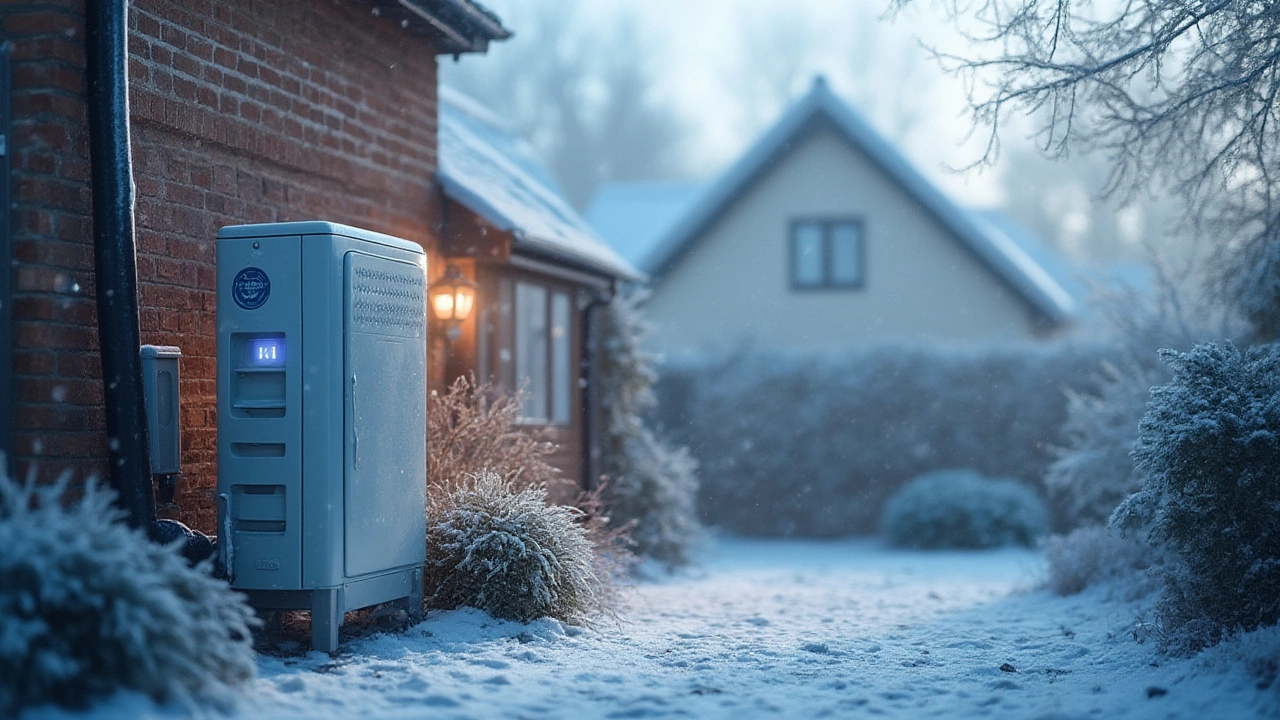
Wondering what temperature makes a heat pump stop working well? Learn the cold limits, key facts, and expert tips for running heat pumps in harsh winters.

Thinking of tackling an extractor fan installation on your own? Doing it yourself can be a rewarding project if you have the right tools and know-how. This guide breaks down the process into manageable steps, explains what to watch out for, and offers practical tips to avoid common pitfalls. You'll learn when it makes sense to go DIY and when you might need to call in a pro.
Learn why a toilet is classified as a plumbing fixture, not an appliance, and how this impacts warranties, insurance, and repair choices.

Extractor fans are essential for maintaining good air quality in homes, but what happens when they break down? This article explores whether electricians are the right professionals to fix extractor fans, the typical issues these fans encounter, and some maintenance tips to avoid frequent repairs. Learn about the repair process and when it might be time to replace your fan altogether.

Wondering if you can fix your microwave at home instead of tossing it and buying a new one? This article breaks down common microwave problems, what you can safely handle, and when it's better to call a pro. Get practical tips that actually make a difference, plus real talk about microwave safety. Save yourself time, money, and stress with easy-to-follow advice. Tackling your appliance repair just got a whole lot simpler.
Thinking of fixing your own water heater? Learn when DIY is safe, common problems, money-saving tips, and when to call a pro.