

If you’ve ever watched a glass hob crack, flicker, or suddenly stop heating, you know how frustrating it can be. The good news? Most issues are fixable without tearing the whole kitchen apart. Below you’ll find practical steps to diagnose, clean, and repair your glass hob, plus tips on when it’s smarter to call in an expert.
First, figure out what’s wrong. The most frequent hiccups are:
Knowing the symptom helps you pick the right fix. For example, a dead zone usually points to a burnt‑out heating element, while a crack needs a replacement plate.
1. Power check. Make sure the hob is properly plugged in and the circuit breaker isn’t tripped. A simple reset can solve a flicker.
2. Clean the surface. Food residue acts as an insulator and can cause hotspots. Let the hob cool, then wipe it with a soft cloth and a glass‑cooking‑top cleaner. Avoid abrasive pads.
3. Test each burner. Turn them on one at a time. If a burner stays cold, the heating element underneath is likely dead.
4. Inspect for cracks. Shine a flashlight across the surface. Any crack, no matter how tiny, should be noted. Small cracks can sometimes be sealed with a specialised glass‑top repair kit, but it’s a temporary fix.
5. Listen for buzzing. A constant buzz usually means the element is short‑circuited. In that case, replace the element.
If you’ve identified a faulty element, you can replace it yourself with a few tools: a screwdriver, a pair of gloves and the correct replacement part (check the model number on the back of the hob). Disconnect power, remove the control panel, unscrew the old element and bolt in the new one. Re‑assemble, restore power, and test.
When you encounter a cracked surface, the safest route is to order a replacement glass top from the manufacturer. Swapping the glass isn’t hard for a handy person, but it does require careful handling to avoid injury.
Even if you feel confident, keep a Gas Safe registered engineer or a qualified appliance technician on standby. Electrical work can be risky, and incorrect wiring may cause further damage.
Regular maintenance keeps the hob happy. Wipe spills immediately, use only flat‑bottomed cookware, and avoid dragging heavy pots across the surface. A quick monthly clean with a non‑abrasive cleaner prevents buildup that could lead to cracks.
In summary, most glass hob glitches are either a dirty surface, a dead element, or a crack. Simple checks and a bit of DIY spirit can solve many of them. When in doubt, or when the glass itself is damaged, call the pros to avoid costly mistakes. Keep these tips handy, and your glass hob will stay sleek and functional for years to come.
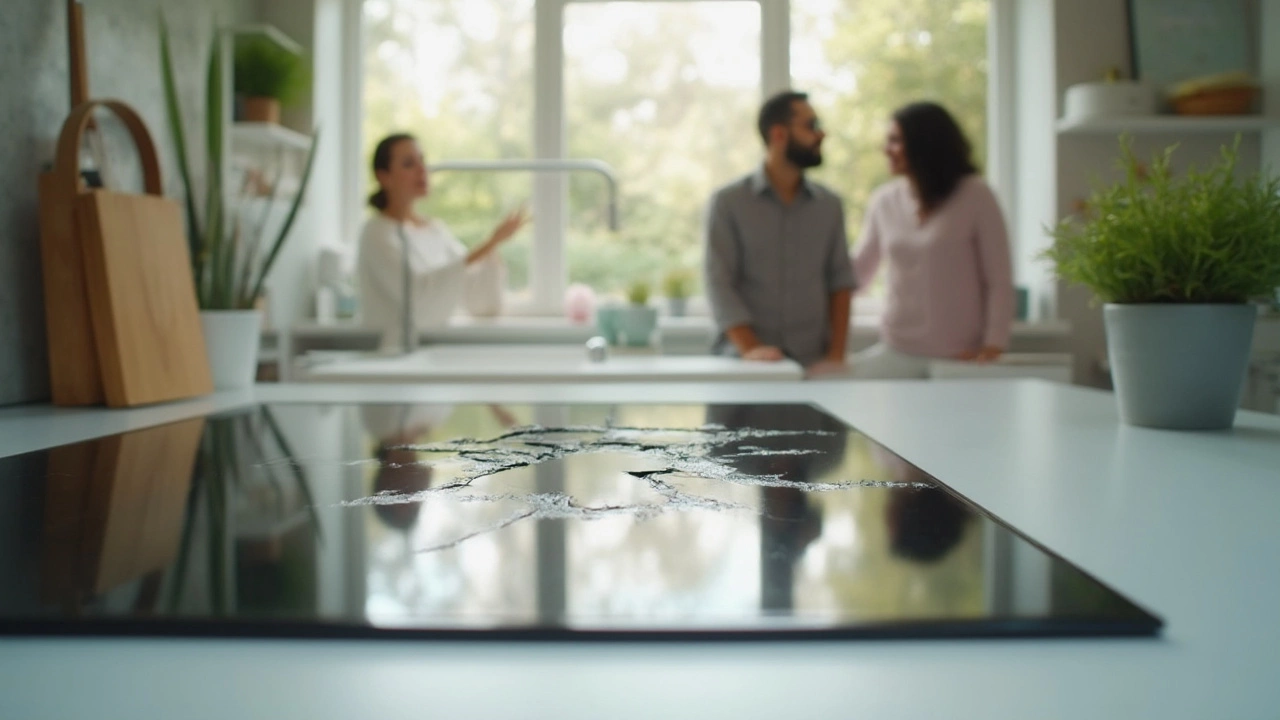
Cracks in electric hobs can show up suddenly and cause real headaches in the kitchen. This article looks at why electric hobs crack, from common mistakes to sneaky issues with installation. You'll get practical tips on how to prevent damage and handle minor cracks. Find out when you can fix a hob yourself and when it's smarter to call for professional help. Stay ahead of costly repairs and keep your cooking space safe.
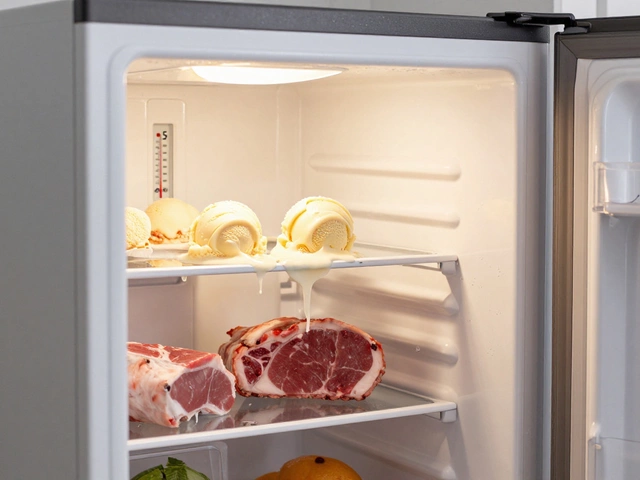
When your freezer stops freezing, food spoils fast and bills spike. Learn the top causes - from bad seals to failing compressors - and how to fix them yourself before calling a technician.
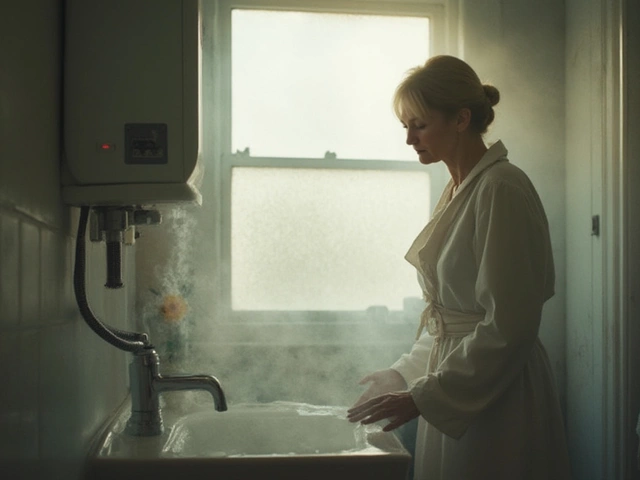
Wondering why your water heater keeps needing a reset before you get hot water? Learn the real reasons, what you can safely check, and when it’s time to call for help.
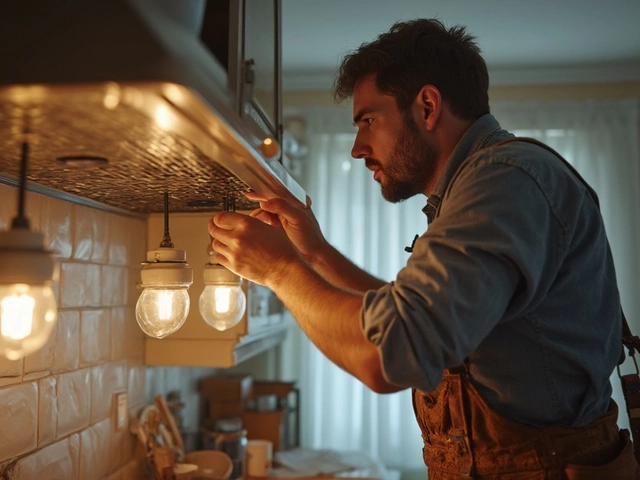
Understanding whether an electrician can repair your extractor fan might save you time and hassle. Dive into the nitty-gritty of what electricians can do for your fan problems, and get tips on how to maintain these helpful appliances. This guide covers the skills electricians bring to the table and when a specialist might be needed. Stay informed and prepared for any fan-related issues that might come your way.
Deciding whether to repair or replace your hot water heater can feel overwhelming. This article explores practical considerations, including the age of the unit, repair costs, and long-term benefits. By understanding essential factors like energy efficiency and potential savings, homeowners can make informed decisions. Discover useful tips and interesting facts to help you choose the best course of action for your specific situation.
Shower cold but other taps hot? Learn how to diagnose and fix the problem, from failing mixing valves and diverters to air locks and sediment buildup.