

When dealing with Gas Supply, the system that delivers natural gas from the mains into your house and powers appliances like boilers, ovens and water heaters. Also known as natural gas distribution, a reliable gas supply keeps your home warm, your meals cooking, and your showers hot. If any part of that chain fails, you can end up with a cold shower or a kitchen that won’t heat.
First off, the gas boiler, the heating unit that burns gas to heat water for radiators and taps is the most common consumer of gas. Next, the gas oven, the cooking appliance that ignites gas to generate heat for baking and roasting relies on the same supply but has its own ignition system. Both appliances draw gas through the gas line, a network of pipes that runs behind walls and under floors. The line is regulated by a pressure valve, and safety devices like leak detectors and shut‑off valves protect you if pressure spikes or a leak appears. In short, the gas supply encompasses the mains connection, the internal pipework, and the appliances that use it.
Keeping that system in good shape isn’t rocket science, but it does require a few habits. Check the pressure gauge on your boiler once a year – a steady reading means the supply is stable. Test any visible connections for smells of gas; a faint whiff often signals a leak and should be dealt with immediately. Regular servicing of the boiler and oven ensures the burners stay clean and the ignition electrodes stay functional. Remember, proper maintenance of the gas line reduces the chance of a sudden outage, which is why many homeowners schedule an annual check‑up with a certified technician.
Safety is the backbone of a solid gas supply. When you hear a hissing sound or notice a rotten‑egg smell, shut off the main valve (usually near the meter) and call a professional. Never try to repair a gas pipe yourself unless you’re qualified – the risk of explosion outweighs any cost savings. Also, install a carbon monoxide detector near bedrooms and living areas; faulty combustion can turn harmless gas into a deadly poison. These safety steps influence the reliability of your gas supply and protect both your family and property.
Another factor that often trips people up is the type of gas their appliances use. Most UK homes run on natural gas, but some older properties still have LPG (liquefied petroleum gas) tanks. Switching between the two isn’t a simple plug‑and‑play – the burner jets, pressure regulator, and sometimes the entire appliance need adjustments. If you’re moving houses or converting a property, confirm the gas type early on to avoid costly retrofits. This distinction highlights how the broader gas supply ecosystem includes not just the pipes, but also the fuel source and the way appliances are tuned to it.
When a problem does arise, you’ll often hear terms like “low pressure” or “no spark”. Low pressure usually points to an issue upstream – perhaps a frozen pipe or a fault at the mains supplier. No spark is more likely an oven‑specific problem, such as a failed igniter or a faulty safety valve. Understanding these nuances helps you communicate clearly with a repair professional and may even let you fix minor issues yourself, like cleaning a burner or resetting a safety thermostat.
Now that you’ve got a solid grasp of what a gas supply entails, why it matters, and how to keep it safe, you’re ready to explore the detailed guides below. From boiler repair cost breakdowns to step‑by‑step oven igniter fixes and hot water troubleshooting, the collection covers every angle of keeping your home’s gas‑powered appliances running smoothly.
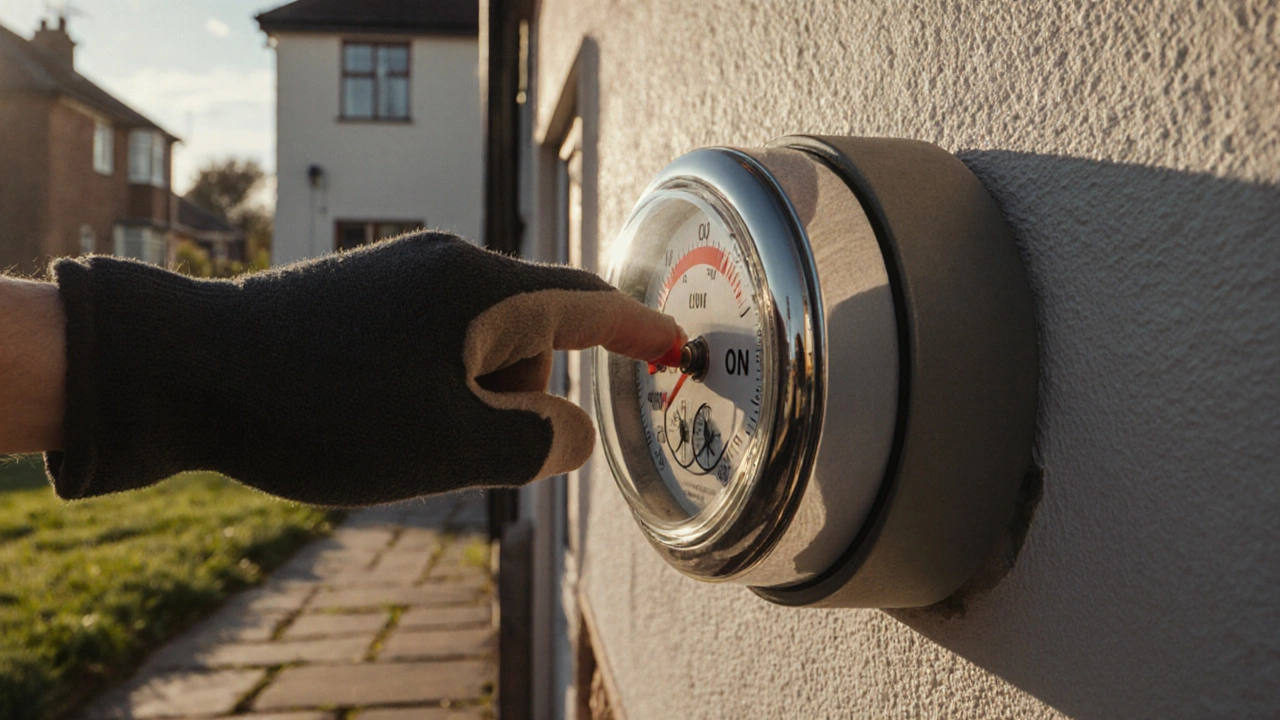
Learn why all your gas appliances might stop working, how to safely troubleshoot common issues, and when to call a Gas Safe engineer.

Wondering why your microwave isn't heating? Learn the common symptoms of a bad magnetron, how to distinguish it from other failures, and when to call a pro.
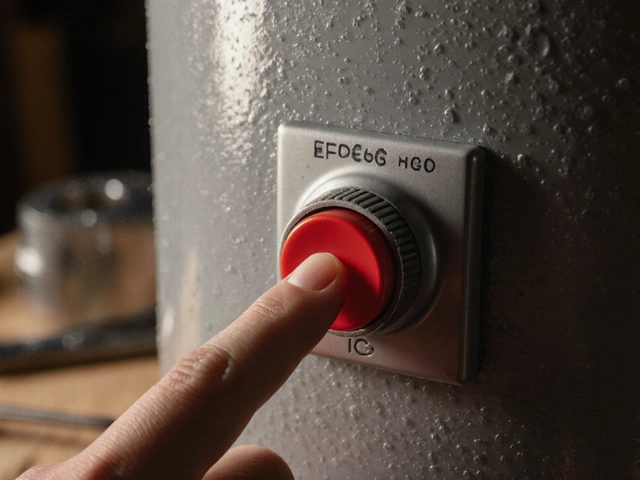
Learn how to properly reset your water heater's safety button - and why holding it down won't help. Find out what really causes it to trip and when to call a professional.
Deciding whether to repair or replace your oven? We break down the 2026 UK costs, the 50% rule, and hidden expenses to help you choose the most cost-effective option for your kitchen.
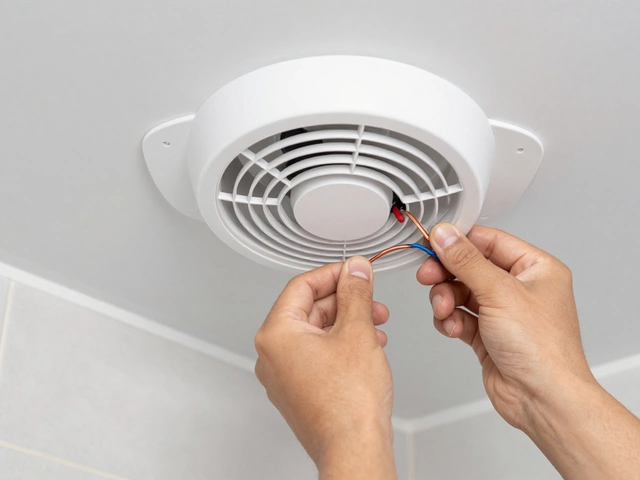
Wondering who should install your extractor fan? Learn when to hire an electrician, HVAC tech, or handyman for safe and efficient ventilation installation.
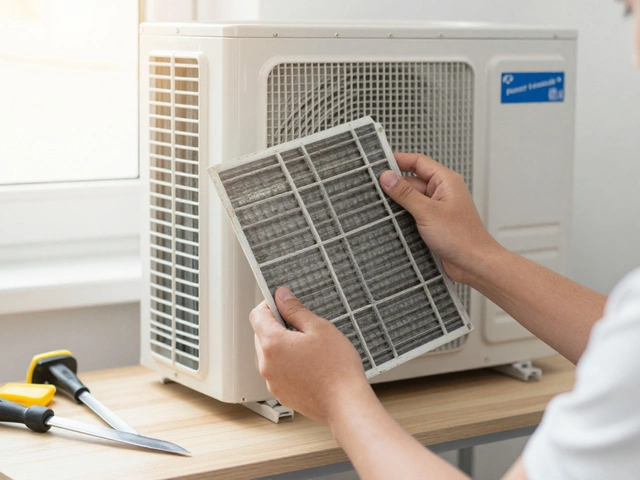
You can fix some heat pump issues yourself - like dirty filters or tripped breakers - but refrigerant leaks, compressor failures, and electrical problems require a professional. Know the limits before you try a DIY repair.