

If your gas stove won’t light, flames keep flickering, or you smell gas, you’re not alone. These issues pop up in many homes and most of them have simple solutions. Below we break down the typical faults, safe troubleshooting steps, and when it’s time to bring in a qualified repairer.
Igniter won’t spark. The igniter is the little click‑y‑pop you hear when you turn a knob. If it’s dead, the burner won’t light. Check for dust or food debris covering the sparker and clean it with a soft brush. If the spark still doesn’t happen, the igniter may need replacing.
Burner won’t stay lit. Often caused by clogged burner holes. Remove the burner cap, soak it in hot, soapy water and use a pin to clear each hole. Rinse well and dry before re‑installing.
Flickering or uneven flames. This usually means the gas pressure is off or the air‑to‑gas mix is wrong. Adjust the air shutter on the burner (it’s the small metal plate near the base) until the flame is steady and blue. If you’re unsure, keep the flame blue and steady—any orange or yellow indicates too much air or a dirty burner.
Smell of gas. A faint whiff after you turn the stove off can happen if the flame is low. Turn the knob off, wait a minute, then light it again. If the smell persists, close the gas supply valve and call a professional right away.
Most minor problems are fixed with a few tools: a screwdriver, a soft brush, and a wrench. Start by turning off the gas supply, then follow these steps:
If after these checks the stove still won’t light, the issue may be internal: a cracked gas valve, worn ignition module, or a faulty safety thermocouple. These parts require a Gas Safe engineer to replace, and attempting a repair yourself can be dangerous.
When you notice any of these red flags, call a professional:
Remember, safety comes first. A quick visual check and basic cleaning will solve most everyday hiccups, but don’t gamble with gas leaks or faulty valves. A certified technician will ensure everything is sealed, test the pressure, and get your stove back to full power without risk.
Keep a small maintenance routine: wipe burner caps weekly, check igniters monthly, and listen for any unusual clicks. With these habits, your gas stove will stay reliable, and you’ll avoid costly emergency calls.

Gas hobs can suddenly stop working for a bunch of reasons, from ignition troubles to blockages or problems with gas supply. This article breaks down the main causes, so you don't have to guess what went wrong. You'll learn easy troubleshooting steps and a few quirky facts about why these appliances get stubborn. With some quick checks, you might even save yourself a call to the repair guy. Know when it’s a simple fix and when it’s time for a pro.
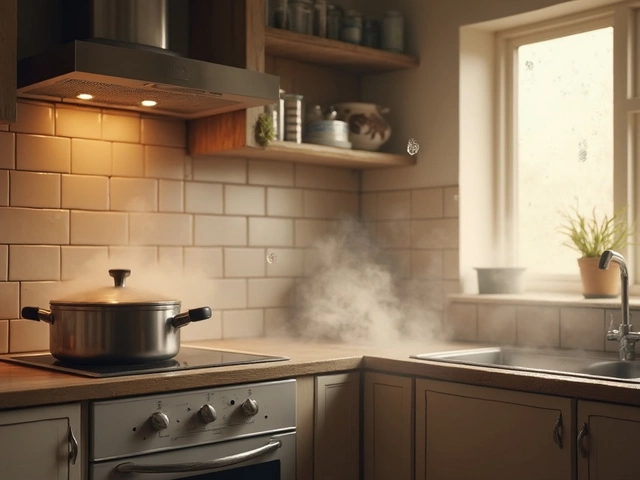
Not using an extractor fan can lead to unexpected issues in your kitchen or bathroom. From accumulating moisture and odors to potential damage over time, extractor fans play a crucial role in home maintenance. This article explores why these devices are essential, the problems that arise from neglecting them, and practical tips on proper care and repair.
Discover what appliance service really means and how it differs from repair. Learn why regular maintenance saves money, extends lifespan, and ensures safety for your home appliances.

Ready to buy a new dishwasher? Check this guide for 2025's most unreliable dishwasher brands, stories you won't believe, and tested buying tips no one else will give you.
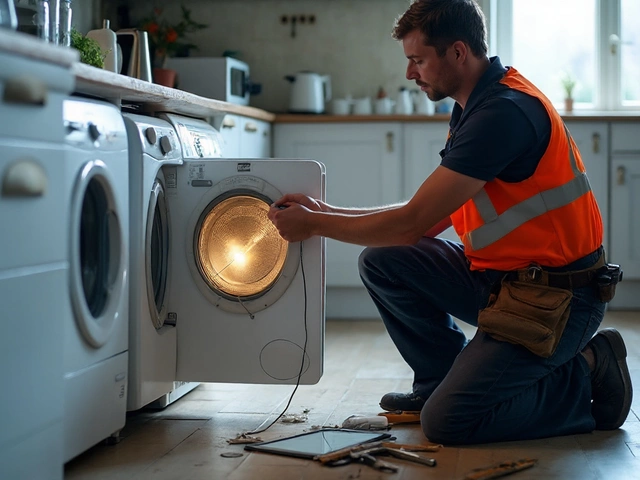
Front-load tub/drum assemblies and top-load transmissions are usually the priciest washer repairs. See real costs, how to diagnose, and when to fix or replace.

Wondering if you should throw out your seven-year-old oven or give it a second chance? This article breaks down when it makes sense to fix an older oven, what problems are easy or tough to repair, and how much money you might actually save. Get straight answers on costs, lifespan, and smart ways to keep your oven running. No fluff—just helpful facts and real advice you can use.