

Ever wondered how to keep your gas appliances safe without spending hours researching? You’re in the right spot. At Bognor Regis Appliance Repair Experts we see the same common mistakes every week, and fixing them is often simple. Below you’ll find the basics – what to watch for, how to keep things running smoothly, and when to hand the job over to a Gas Safe engineer.
Gas leaks don’t always come with a dramatic explosion. Most of the time they give subtle clues. If you smell a faint rotten‑egg scent, hear a hissing sound, or notice your pilot light flickering, it’s time to act. Also, check the flame colour on your boiler – a blue flame means proper combustion, while a yellow or orange flame can signal a problem.
Another red flag is a sudden rise in your energy bills. Your boiler might be working harder because of a leak or a blocked burner. Lastly, watch for rust or corrosion on gas pipes and connections. Even a tiny rust spot can become a leak if ignored.
DIY fixes are great for minor things like cleaning a burner or resetting a boiler thermostat, but gas work is a different beast. If you smell gas, see any damage to piping, or your appliance won’t ignite, stop using it immediately and call a Gas Safe registered engineer. They have the training, tools, and legal right to work on gas systems safely.
Regular maintenance is another reason to bring in the pros. A yearly service can spot wear before it becomes dangerous, extend the life of your boiler, and keep it running efficiently. During a service the engineer will check the pressure, test the safety valve, and clean any soot that could cause carbon monoxide buildup.
Not sure whether a problem needs a pro? Use this quick test: if the issue involves the gas pipe, regulator, or internal burner, call a Gas Safe engineer. If it’s a loose knob, a faulty thermostat, or a broken fan, a qualified appliance technician (like us) can handle it.
Keeping gas appliances safe isn’t rocket science, but it does need a bit of vigilance. Do a quick weekly sniff test, schedule an annual boiler service, and always trust a Gas Safe professional for any gas‑related repairs. By staying aware you protect your family, your home, and your wallet.
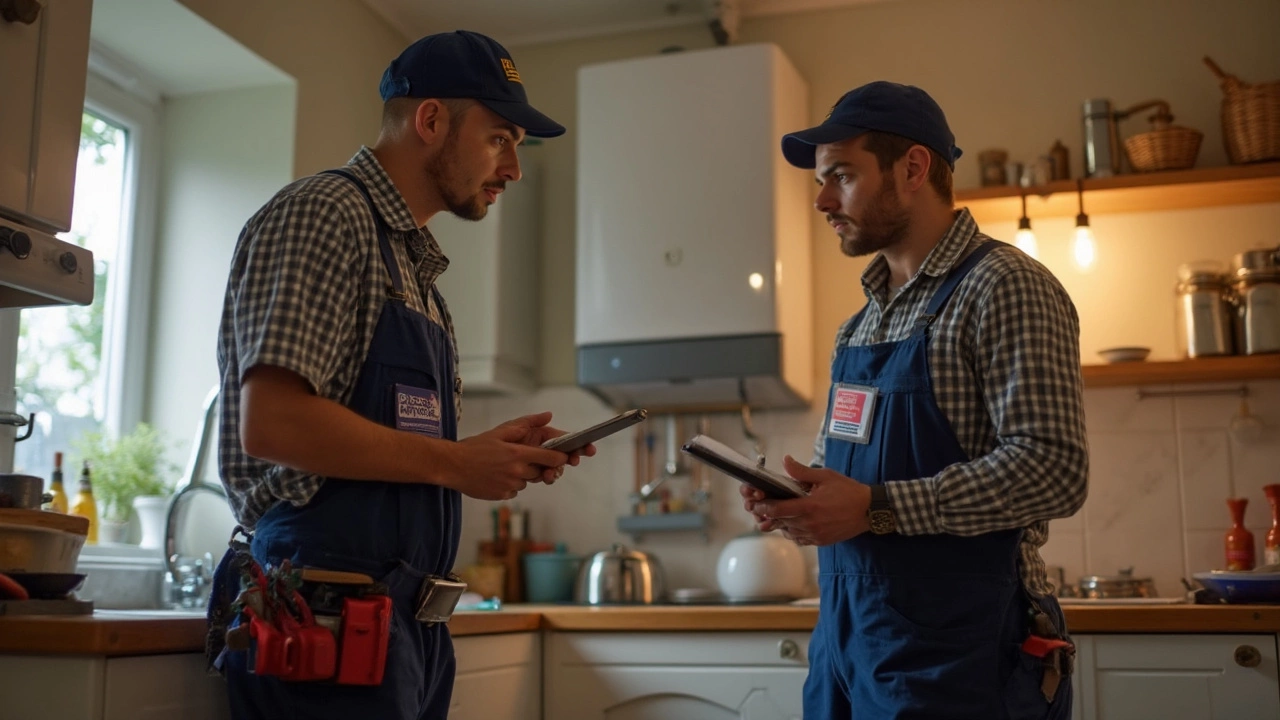
Wondering whether plumbers can fix your boiler? This article breaks down exactly what plumbers do, where their work overlaps with heating engineers, and when you need a specialist. You’ll get practical advice for dealing with boiler issues, tips for finding the right tradesperson, and a look at why gas safety credentials matter so much. There’s even a checklist for what to ask before hiring someone for your boiler job. Skip the confusion and figure out who to call, fast.

Thinking about swapping out your gas hob? Safety rules in the UK are strict, and there’s more to it than just unscrewing pipes. This article looks at whether you really need a gas engineer for the job, what could go wrong if you cut corners, how to pick the right pro, and little-known facts about what happens during an installation. It’s a no-nonsense breakdown for anyone facing a hob swap, putting your safety at the front of the queue.
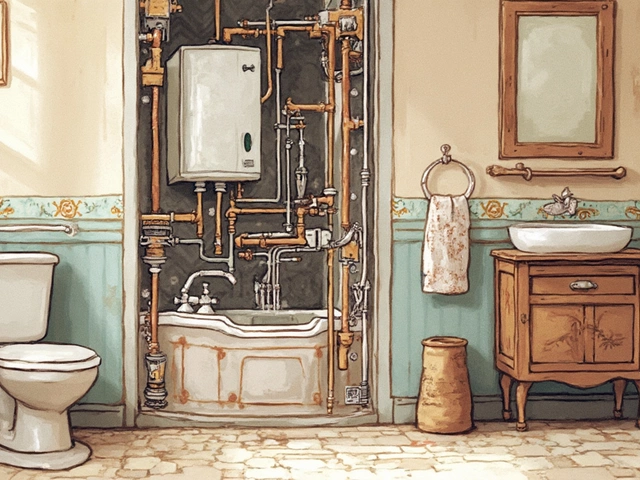
A failing water heater element can leave you in the chilly lurch just when you need a warm shower. Learn how to diagnose the problem with simple, straightforward steps. This guide covers common symptoms, testing methods, and practical tips for handling a faulty element. We'll explain what's involved and offer insights for DIY repair or knowing when to call a professional.

A practical guide for diagnosing common refrigerator problems, spotting signs of faults, and fixing them at home with tips and real-world facts.
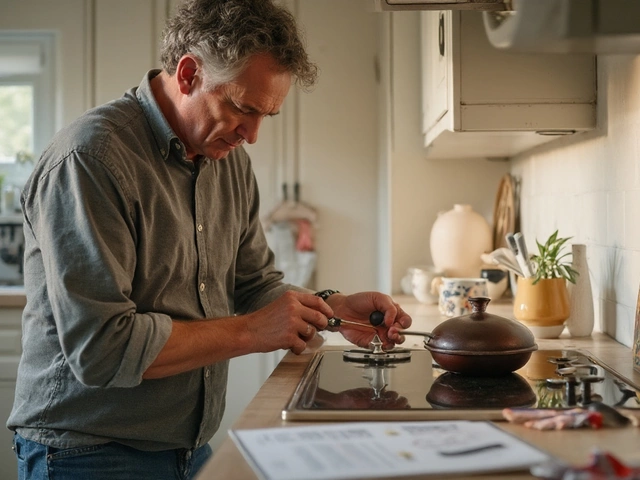
Can you replace an electric hob element? Absolutely! This hands-on guide dives into safe, practical steps for swapping out faulty burners and keeping your electric hob in top shape.

Find out exactly how much it costs to fix an oven that won't heat in the UK in 2026. We break down labour, parts, and hidden fees to help you decide between repair and replacement.

Wondering how long it takes to swap out an old boiler for a new one? This article spells out exactly how much time you’ll need, what really affects the timeline, and offers practical tips to speed things up. Get the full breakdown, including what you can do before installation day and how to avoid surprises. If you want your heat and hot water back fast, this guide is for you. Find out what to expect from your boiler replacement and how to stay one step ahead.