

If your fridge feels warm or the food is spoiling, you’re dealing with a fridge failure. It’s frustrating, but most issues have a clear cause and a simple fix. Below we break down the most common reasons a fridge stops cooling and give you quick steps you can try before dialing a repair service.
1. Dirty condenser coils: Over time dust and pet hair build up on the coils at the back or underneath the fridge. When the coils can’t release heat, the compressor works harder and cooling drops. Wipe them with a vacuum brush or a damp cloth every 3‑6 months.
2. Faulty door seal: A cracked or warped gasket lets warm air sneak in. Close the door on a dollar bill; if it slides out easily, the seal needs replacing.
3. Blocked vents: Inside the fridge, vents circulate cold air. If food blocks them, the cold air can’t reach all shelves. Keep items away from the vents and make sure they’re clear.
4. Temperature setting too high: It’s easy to set the dial to a warmer setting by mistake. Aim for 37‑40°F (3‑4°C) for the fridge compartment and 0°F (‑18°C) for the freezer.
5. Defrost timer or heater issues: Modern fridges have an automatic defrost cycle. If the timer or heater fails, ice can build up on the evaporator, stopping airflow.
One frequent symptom that trips people up is a fridge that’s warm but the interior light still works. Our post “Fridge Not Cooling But Light Is On?” explains that the light being on only shows the power is fine – the cooling path is the problem.
Start with the easy stuff. Unplug the fridge for a minute, then plug it back in – sometimes a reset clears minor electronic glitches.
Next, pull the fridge away from the wall and check the back. Clean the condenser coils as described, and look for obvious damage to the cord or plug.Inspect the door gasket. If it’s dirty, clean it with warm soapy water. If it’s cracked, a quick gasket replacement kit from a hardware store will solve the leak.
Make sure the fridge isn’t overloaded. Too many items block airflow and force the compressor to run longer, which can lead to overheating and a temporary shutdown.
If you hear the compressor kick on but the fridge stays warm, the issue might be a refrigerant leak or a failed compressor – both need a professional.
When you’ve run through these steps and the fridge still won’t cool, it’s time to call Bognor Regis Appliance Repair Experts. Our technicians know how to test the thermistor, replace a faulty defrost timer, and safely handle refrigerant problems.
Don’t wait until food goes bad. A quick visual check and a bit of cleaning can save you a callout fee and get your fridge back to keeping things fresh.
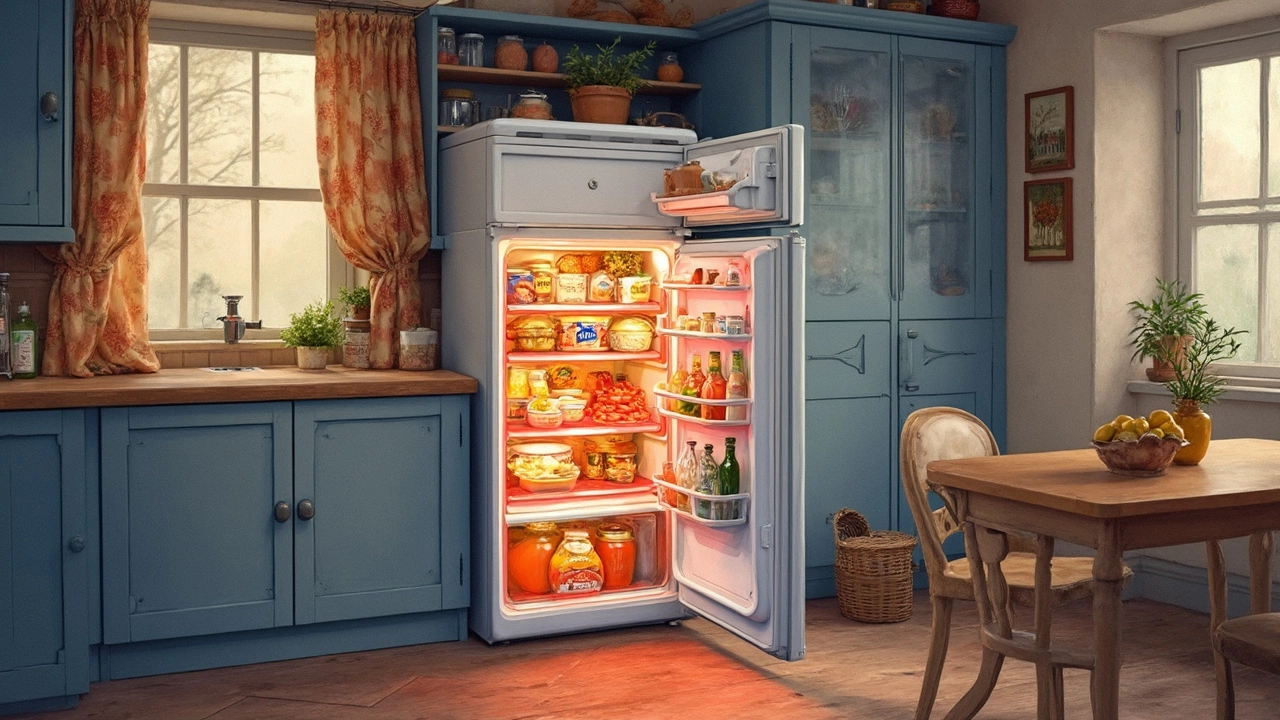
Understanding what usually fails in a fridge can save you time and money. This article explores common issues like malfunctioning thermostats, compressor problems, and leaky seals. Learn helpful tips for diagnosing and possibly fixing these issues yourself. Knowing when to call a professional is also crucial in the life of your fridge.
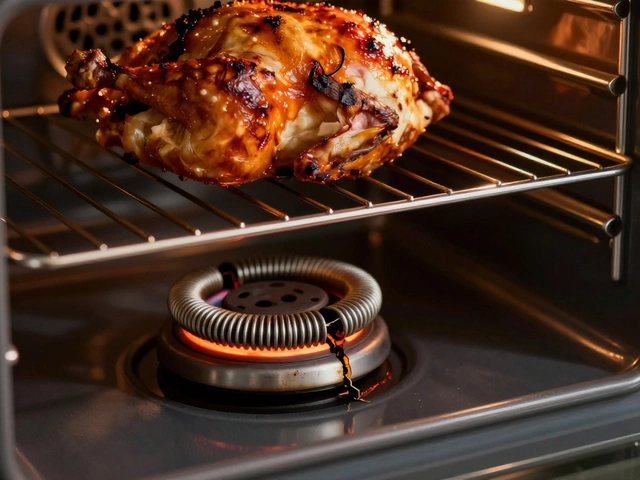
Discover if replacing your oven heating element is cost-effective compared to buying a new appliance. We break down repair costs, DIY steps, and signs of failure to help you decide.
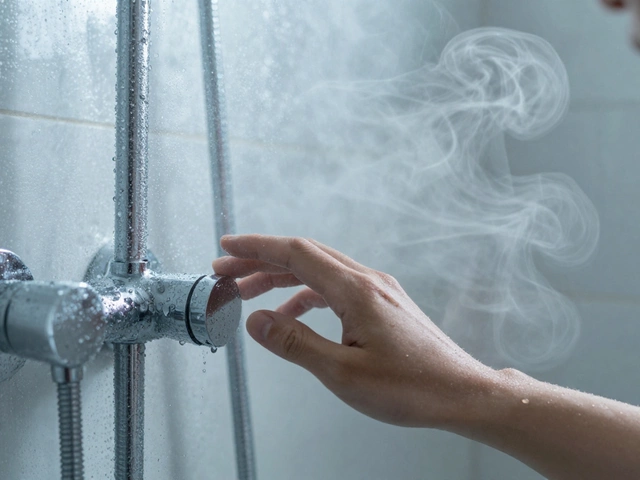
Learn how to diagnose a failing hot water heater thermostat with this expert guide. Spot the signs, use a multimeter for testing, and find out when to replace it.
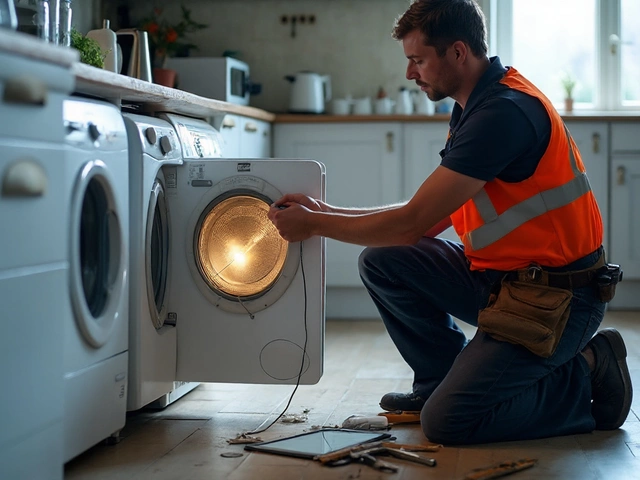
Front-load tub/drum assemblies and top-load transmissions are usually the priciest washer repairs. See real costs, how to diagnose, and when to fix or replace.
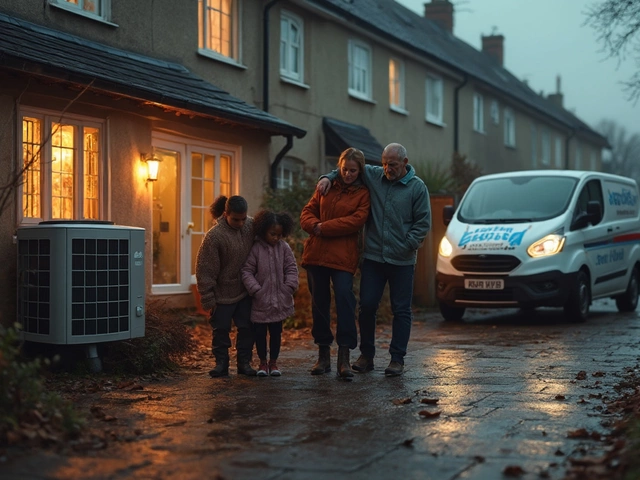
Discover what causes heat pumps to break down, the warning signs, and how to keep yours running smoothly with practical tips for any homeowner.
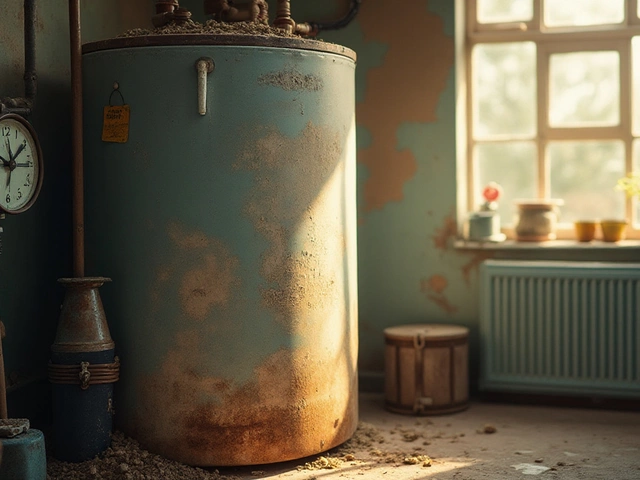
Neglecting to flush your water heater can lead to a host of issues, from inefficiency to full-blown malfunctions. Sediment buildup can decrease heating efficiency and even cause damage over time. This article explores what happens if you never flush your water heater, why regular maintenance is crucial, and how you can perform these tasks. Dive into practical advice and tips for maintaining a healthy water heating system.