

If your freezer is acting up, you don’t have to panic. Most hiccups are caused by easy‑to‑spot things like a dirty coil, a stuck door seal, or a temperature setting that’s off. In this guide we’ll walk through the usual suspects, quick DIY steps, and the signs that it’s time to ring a professional.
First, check the thermostat. It’s easy to set it too warm by accident, especially after a power cut. Turn the dial to the coldest setting for a few hours and see if the temperature drops. If it does, you’ve solved the problem without opening the back of the unit.
Next, feel the door gasket. A worn or cracked seal lets warm air sneak in, making the compressor work overtime. Close the door on a piece of paper; if you can pull it out easily, the seal isn’t tight enough. Replacing a gasket is a cheap DIY job – just unscrew the old one, line up the new rubber, and snap it into place.
Dirty condenser coils are another common culprit. Over time dust and pet hair coat the coils at the back or underneath the freezer, blocking airflow. Pull the unit away from the wall, unplug it, and use a vacuum brush to clear the coils. A clean coil improves cooling efficiency dramatically.Finally, listen for the compressor. A humming, clicking sound usually means it’s trying to start but can’t. This could be a failed start relay or a refrigerant leak – both need a qualified technician. Running the freezer with a failing compressor wastes electricity and can damage food.
Ice buildup is often caused by a door that stays open a little too long. Check if the hinges are tight and the latch clicks securely. If the door swings back when you let go, adjust the hinges or replace the latch.
Defrost the freezer regularly. Even a frost‑free model benefits from a manual defrost every few months to clear hidden ice on the evaporator. Unplug the unit, remove all food, and let the ice melt. Use towels to catch water, then wipe dry before restarting.
Leaking water usually points to a clogged drain tube. Inside the freezer, a small hole at the back allows water to flow to a pan that later evaporates. If that hole is blocked, water pools and can seep out. Use a bright‑colored pipe cleaner or a thin brush to clear the drain, then pour a cup of hot water to flush it.
Keep the freezer level. A tilted unit causes the door to sit unevenly, leading to both ice and leaks. Use a spirit level on the top surface and adjust the front or rear feet until it’s even.
When you’ve tried these steps and the freezer still won’t stay cold, it’s time to call in Bognor Regis Appliance Repair Experts. Their technicians can diagnose compressor issues, replace faulty thermostats, and handle refrigerant problems safely. Quick professional help saves food and prevents a small fault from turning into a costly breakdown.
By checking the thermostat, sealing the door, cleaning the coils, and maintaining the drain, you’ll avoid most freezer mishaps. Keep these simple checks in your routine, and you’ll enjoy a reliably frosty space without the hassle of emergency repairs.

Ever opened your freezer to find squishy ice cream or thawed food when it should be rock solid? This article digs into the real reasons your freezer refuses to stay frozen, from simple mistakes to sneaky mechanical fails. Learn how to spot common culprits, fix minor issues yourself, and know when things are actually serious. Packed with practical tips and straightforward advice, you'll get the cold facts and solutions you need. No jargon, just help you can actually use.

Wondering whether plumbers can fix your boiler? This article breaks down exactly what plumbers do, where their work overlaps with heating engineers, and when you need a specialist. You’ll get practical advice for dealing with boiler issues, tips for finding the right tradesperson, and a look at why gas safety credentials matter so much. There’s even a checklist for what to ask before hiring someone for your boiler job. Skip the confusion and figure out who to call, fast.
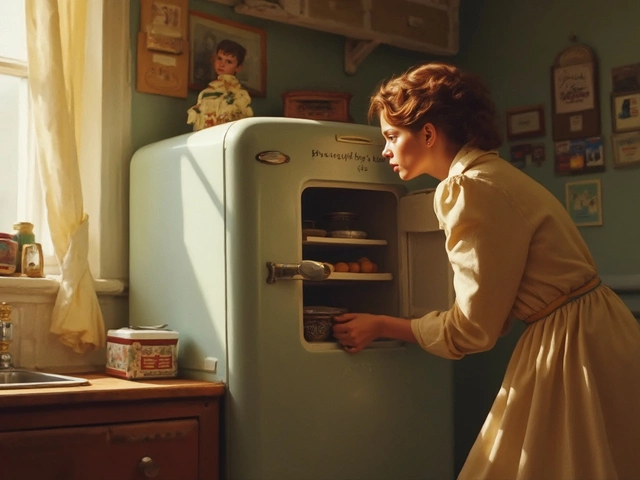
Fixing your fridge on your own can be a real money-saver if you know where to start. First, you've got to figure out what's actually wrong before grabbing your toolbox. With some basic tools and a little patience, you might just handle common issues like leaks, noisy operation, or poor cooling effectively. But sometimes, you also need to know when it's time to bring in a professional.

In the business world, appliances aren't just about the gadgets in your kitchen; they're tools and strategies central to operations. From simplifying daily tasks to enhancing efficiency, appliances play pivotal roles in various business aspects. Understanding their function means knowing how technology, devices, and smart systems integrate into business to drive productivity. Delving into real-life examples, this article provides insights and tips on leveraging appliances effectively.
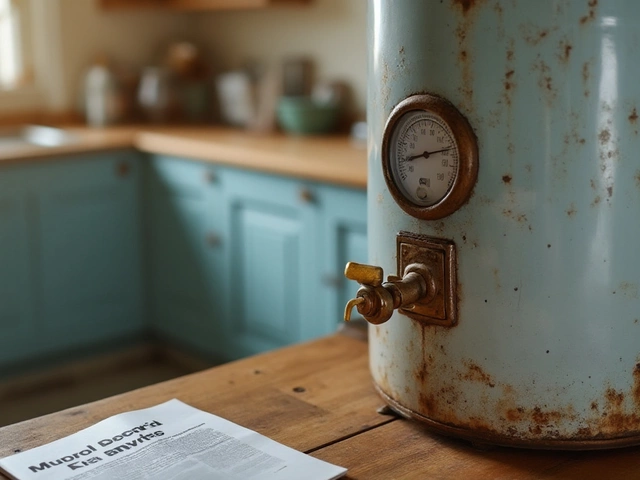
Determining when your hot water heater needs replacement isn't always straightforward. This guide explores key signs such as irregular water temperatures, strange noises, and age that might indicate it's time to get a new unit. Understanding these signs not only ensures a reliable hot water supply but also prevents potential damage and higher energy bills. Additionally, we discuss some tips for maintenance to prolong the life of your current system.
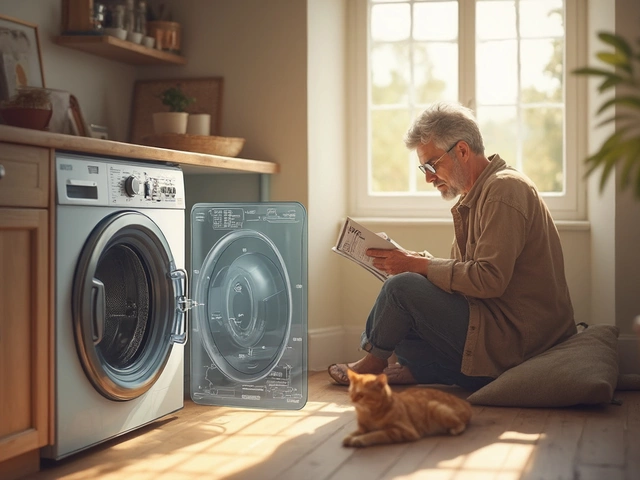
Discover which washing machine parts break down most often, why they fail, and how to prevent expensive repairs. Get tips to keep your washer running smoothly.