

First thing’s first – if your freezer feels like a warm closet, it’s not going to keep food safe. The good news is many freezes‑up problems are easy to spot and fix without calling anyone.
Temperature dials are the usual suspect. Some people set the knob too high thinking it will make it colder, but most freezers work opposite – higher numbers mean warmer. Check the manual or the sticker inside for the correct setting and adjust it.
Next, look at the door seal. A cracked or dirty gasket lets warm air seep in, forcing the freezer to work harder. Grab a dollar bill, close the door on it, and pull it out. If it slides out easily, the seal is compromised and needs cleaning or replacement.
Frost buildup is another silent killer. If you see a thick layer of ice on the back wall, the defrost cycle isn’t kicking in. Turning the freezer off, letting the ice melt, and cleaning the area can reset the timer. Just be sure the floor stays dry.
Dusty condenser coils also drain the freezer’s power. They sit behind or beneath the unit and look like a radiator. Use a vacuum brush once a month to clear the dust – it’s a quick job that can add a few degrees of chill.
Finally, listen for the compressor. A humming, clicking sound means it’s trying to start. If it’s silent or constantly running hot, the motor could be failing and you’ll need a pro.
Start by unplugging the freezer for five minutes. Resetting the electronics can clear a stuck thermostat or sensor. Plug it back in, set the temperature, and give it a couple of hours to see if it cools.
Check the interior light. If it’s on when the door’s closed, a faulty switch could be heating the freezer from the inside. Replacing the switch is cheap and easy.
Make sure the freezer isn’t overloaded. Too many items block airflow and make the unit work harder. Pull out a few boxes and let the cold air circulate.
If you’ve tried all the above and it’s still warm, note any error codes on the display panel. Write them down and mention them when you call a repair service – it speeds up the diagnosis.
When you do call a professional, ask if they’re Gas Safe registered and have experience with freezer compressors. A qualified technician will check the refrigerant level, pressure, and any damaged components you can’t access safely.
Remember, a freezer that’s not freezing can turn your groceries into a health hazard fast. Acting quickly on these simple checks can save you money, keep food safe, and get your kitchen back on track.
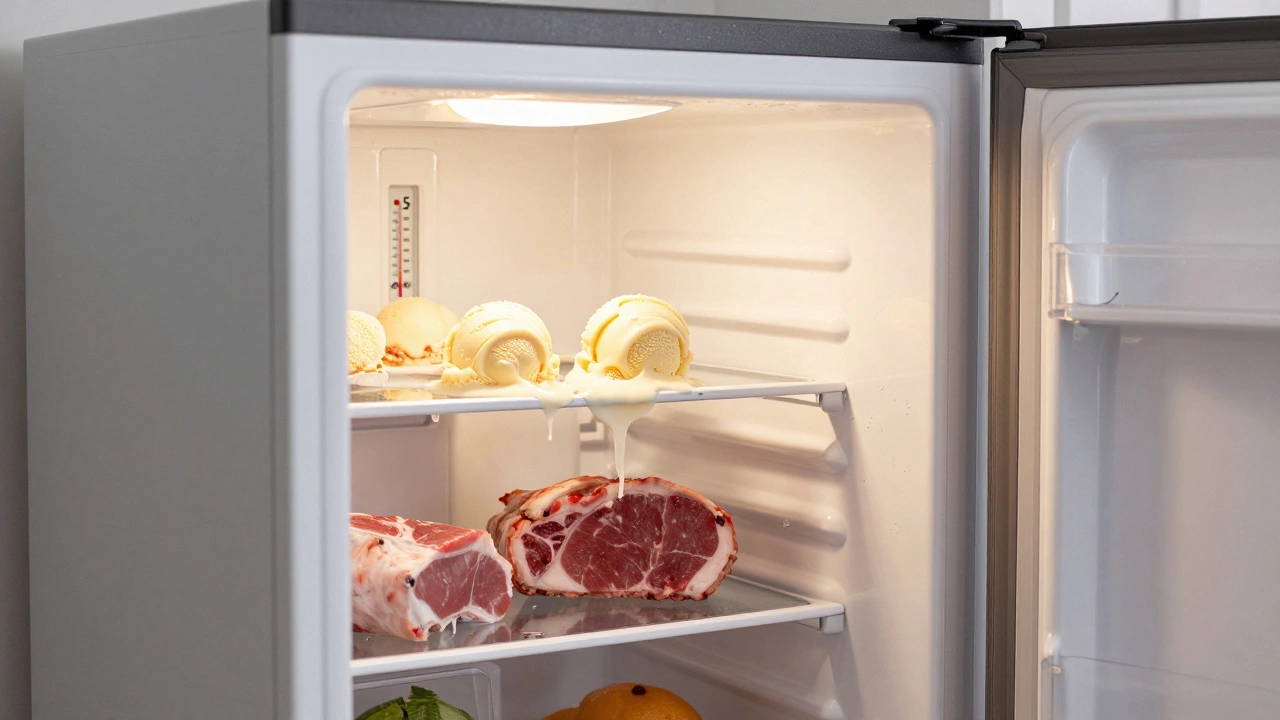
When your freezer stops freezing, food spoils fast and bills spike. Learn the top causes - from bad seals to failing compressors - and how to fix them yourself before calling a technician.
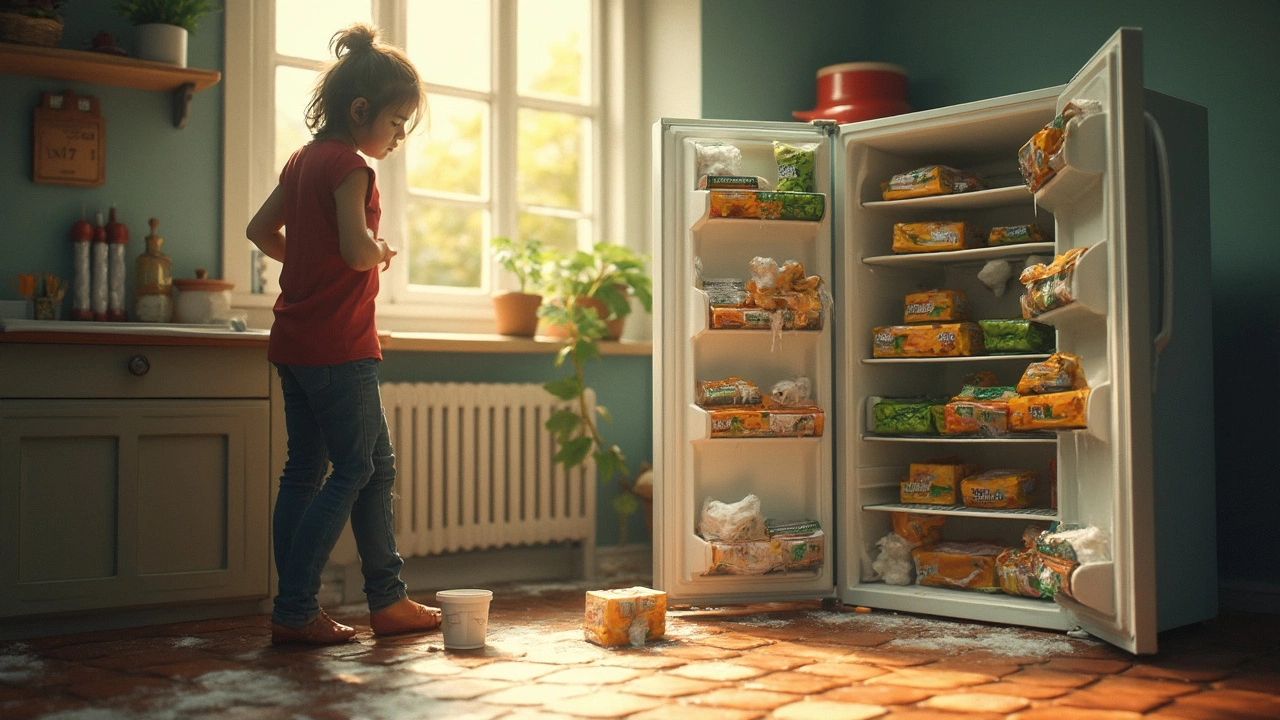
Ever opened your freezer to find squishy ice cream or thawed food when it should be rock solid? This article digs into the real reasons your freezer refuses to stay frozen, from simple mistakes to sneaky mechanical fails. Learn how to spot common culprits, fix minor issues yourself, and know when things are actually serious. Packed with practical tips and straightforward advice, you'll get the cold facts and solutions you need. No jargon, just help you can actually use.
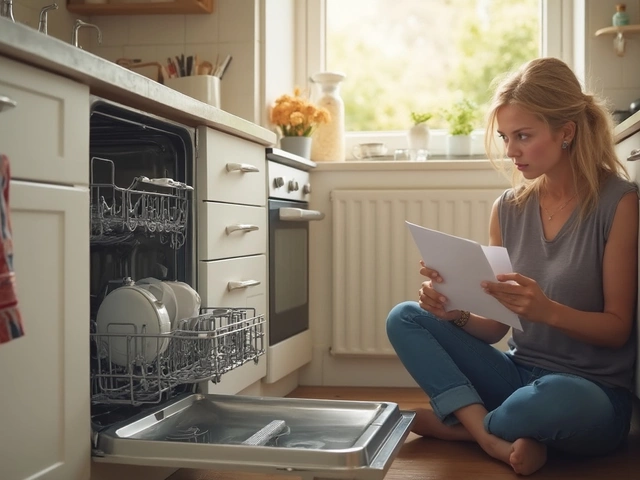
Annoyed by standing water at the bottom of your dishwasher? This article breaks down why your dishwasher isn't draining, what can cause it, and how to troubleshoot the most common issues. Learn about clogged filters, garbage disposal connections, and more. I'll also share some handy tips to help you prevent problems in the future. Whether you're a first-timer or have dealt with dishwasher headaches before, you’ll find practical advice here.

This article breaks down what an appliance standard really is and why it matters when you’re buying or servicing home appliances. You’ll learn about the rules that keep appliances safe and efficient, plus tips for spotting compliant models. It explains how standards affect your bills and the planet. Real-world examples make it clear and easy to understand. Use this guide to make smarter choices about your appliances.
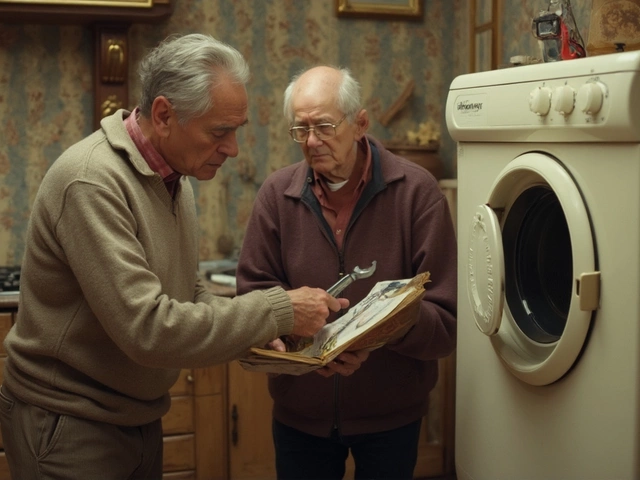
Wondering if fixing your tumble dryer makes sense? This article dives into crucial considerations like repair costs, common issues, and when to replace. Avoid costly mistakes by learning signs that scream 'repair!' or 'replace!' Smart tips help you make the right decision for your dryer woes.
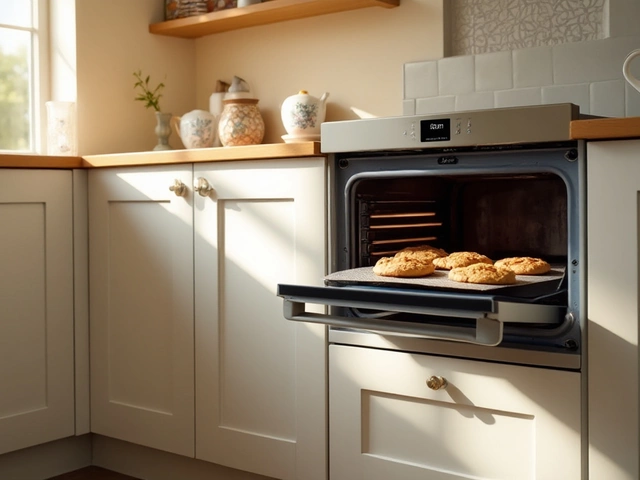
An electric oven is a staple in most kitchens, used for everything from baking cookies to roasting savory meals. Knowing how long an electric oven is expected to last can help homeowners budget and plan for replacement or repairs. This article explores the average lifespan of electric ovens, factors influencing their durability, and tips on maintenance to extend the life of the appliance. Understanding these aspects will aid in maximizing the utility and performance of your oven.
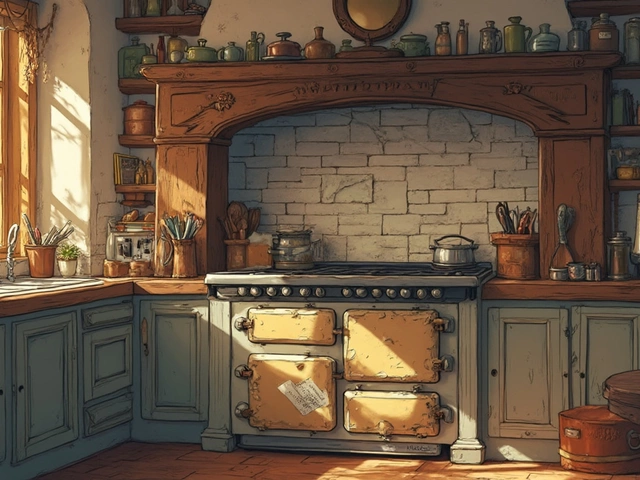
Figuring out whether to repair or replace a 10-year-old range can save money and hassle. This article explores cost considerations, common issues, and when to opt for repair versus replacement. Additionally, discover maintenance tips to extend your range’s life. Make informed decisions with a detailed look into repair pros and cons. Navigate the world of kitchen appliances with confidence.