

Got a water heater that’s getting slower to heat up? Or a dishwasher that leaves a film on dishes? Most of these issues come down to one simple thing: sediment buildup. Flushing gets rid of that gunk, restores efficiency, and can add years to the life of your appliance.
Every time hot water runs, tiny mineral particles settle at the bottom of the tank. Over time they turn into a crust that blocks heat transfer. The heater works harder, uses more energy, and the water may start to smell or taste odd. The same idea applies to heat‑pump condensers, boiler heat exchangers, and even extractor fans that collect grease and dust.
Regular flushing does three things:
There’s no one‑size‑fit‑all answer, but here are some solid guidelines:
If you notice any of these signs – slower heating, strange noises, rusty water, or reduced airflow – flush right away, even if it’s not yet time.
All you need is a garden hose, a bucket, and a wrench. Turn off the power or gas, shut the cold‑water inlet, attach the hose to the drain valve, and let the water run until it’s clear. Then open the inlet valve to let fresh water flush out any remaining debris. The whole process takes about 30 minutes.
Safety tip: always let the tank cool for at least an hour before you start. Hot water can scald you.
For a dishwasher, run an empty hot‑cycle with a cup of white vinegar on the top rack. This removes mineral film and foul odors. For a heat‑pump condenser, turn off the power and spray the coils with a garden hose, being careful not to damage fins. A quick brush‑off of extractor fan blades followed by a vacuum of the housing keeps grease from building up.
Regular flushing doesn’t have to be a nightmare. Set a reminder on your phone, keep a small checklist, and you’ll notice lower bills and fewer breakdowns. If you ever feel unsure – especially with gas‑fuelled appliances – calling a qualified technician is the safest route.
Bottom line: flush often, flush correctly, and your home will run smoother for years to come.
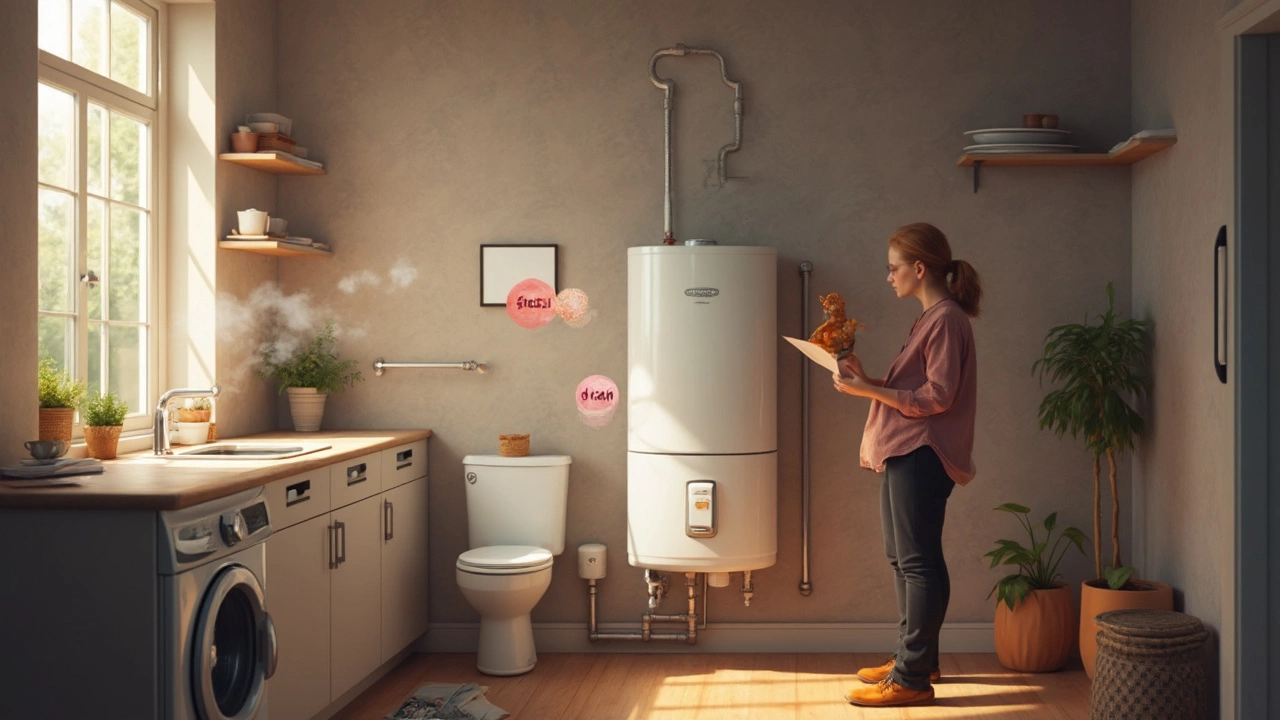
Wondering if you should flush or just drain your water heater? This article breaks down the difference, when each method makes sense, and what actually helps your water heater last longer. You'll find practical advice, simple tips, and a few things even pros forget. Discover the truth about tank cleaning—without the jargon or confusion. Your next maintenance day just got a lot less stressful.
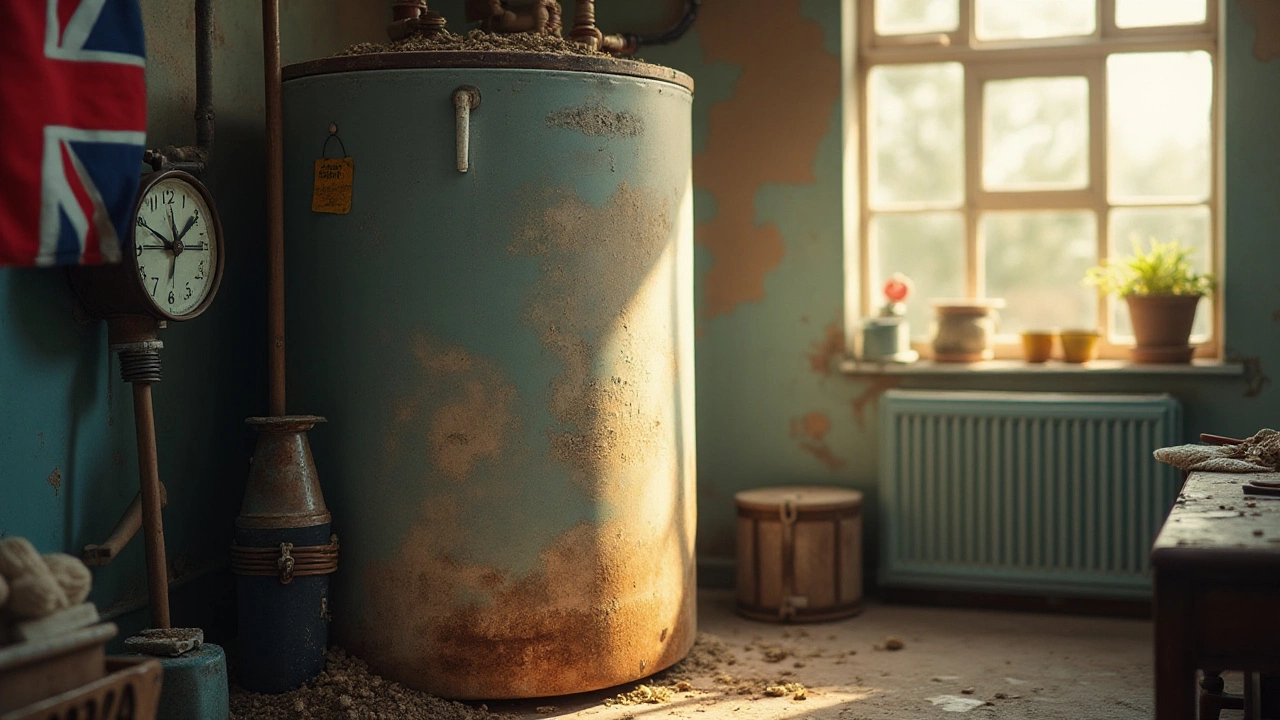
Neglecting to flush your water heater can lead to a host of issues, from inefficiency to full-blown malfunctions. Sediment buildup can decrease heating efficiency and even cause damage over time. This article explores what happens if you never flush your water heater, why regular maintenance is crucial, and how you can perform these tasks. Dive into practical advice and tips for maintaining a healthy water heating system.

When it comes to kitchen convenience, dishwashers are hard to beat. They free up our time, reduce water and energy use, and help keep our kitchenware sparkling clean. But how long should one really expect a dishwasher to last? This article will explore average lifespans, key factors affecting longevity, and practical tips for extending the life of your trusty machine, ensuring you get the most value and efficiency.

Curious about what counts as an appliance? Get concrete examples, clever tips, and practical facts about home appliances to make smart choices for your household.

Struggling with hot water inconsistencies between your kitchen and bathroom? This article explores the causes behind such issues, including plumbing layout and water heater problems. Learn valuable tips for diagnosing and fixing these common household headaches. Discover practical solutions that can save you from cold showers and confusing hot water scenarios. Understand how simple tweaks or professional guidance can restore your home's balanced hot water supply.

Deciding whether to repair or replace your hot water heater can feel overwhelming. This article explores practical considerations, including the age of the unit, repair costs, and long-term benefits. By understanding essential factors like energy efficiency and potential savings, homeowners can make informed decisions. Discover useful tips and interesting facts to help you choose the best course of action for your specific situation.
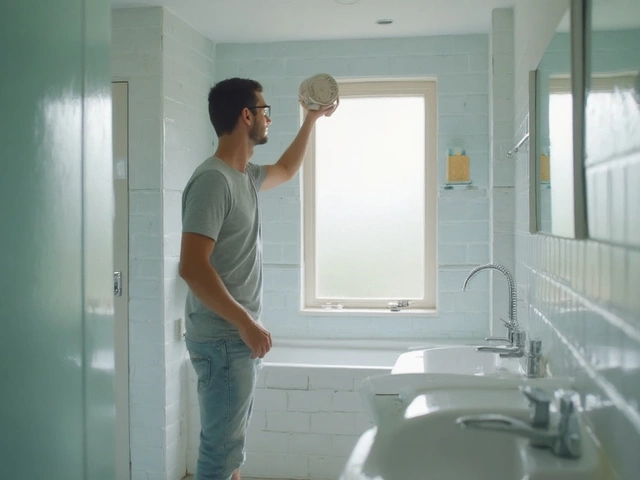
Nobody wants to deal with a stuffy bathroom or smoky kitchen, but if your extractor fan isn’t working, that’s exactly what you’ll get. This article shows you how to check if your extractor fan is doing its job or just taking up space. From simple power checks to quick airflow tests, you’ll learn hands-on methods anyone can use—no tech wizardry needed. Expect practical tips, a couple of helpful tricks, and signs that tell you when it’s time to call an expert. Don’t let stale air hang around: let’s figure out what your fan is up to.