

When you hear the phrase fixture vs appliance, it refers to the comparison between permanently installed items and portable, service‑able devices used in a home. Also known as fixed installation versus movable equipment, this contrast helps homeowners decide where to invest time and money. For clarity, let’s also define two main players: a appliance, an electrically or gas‑powered device you can unplug or move, like a dishwasher or fridge and a fixture, a permanently attached component such as a sink, bathtub, or built‑in oven that is part of the building’s structure. Knowing these definitions sets the stage for the practical choices ahead.
First, installation method drives cost and effort. A fixture usually requires plumbing, electrical wiring, or structural work, meaning professional help is often needed and the expense can be high. An appliance, by contrast, is designed for DIY hookup—just plug it in or connect a hose and you’re good to go. This difference influences the repair cycle: fixtures tend to have longer lifespans but once they fail, fixing them can be invasive, while appliances may need more frequent part swaps but are easier to service.
Second, mobility plays a big role in planning a remodel. If you anticipate moving houses, an appliance like a washing machine travels with you; a fixture stays put, anchoring a kitchen layout. This affects resale value too—buyers often look for high‑quality fixtures (think stainless‑steel sinks) as a sign of a well‑maintained property, while reliable appliances add immediate utility.
Third, safety and energy use tie directly to the fixture vs appliance debate. Fixtures that involve gas or water connections demand regular inspections to prevent leaks or bursts, whereas appliances usually have built‑in safety features and clearer energy ratings. Choosing an energy‑efficient appliance can lower your bills, while a well‑installed fixture can reduce long‑term maintenance costs.
Finally, the decision impacts the overall design aesthetic. Fixtures define the visual framework of a room—think of a sleek kitchen faucet shaping the look of the countertop—while appliances provide functional style, such as a retro fridge that becomes a focal point. Balancing both helps create a harmonious space without compromising performance.
Below you’ll find a curated selection of articles that dive deeper into each aspect: from diagnosing boiler issues and resetting water heaters, to understanding oven element swaps and heat‑pump maintenance. Whether you’re fixing a leaky tap or weighing a brand‑new appliance purchase, the insights here will guide you through the practical side of the fixture vs appliance conversation.
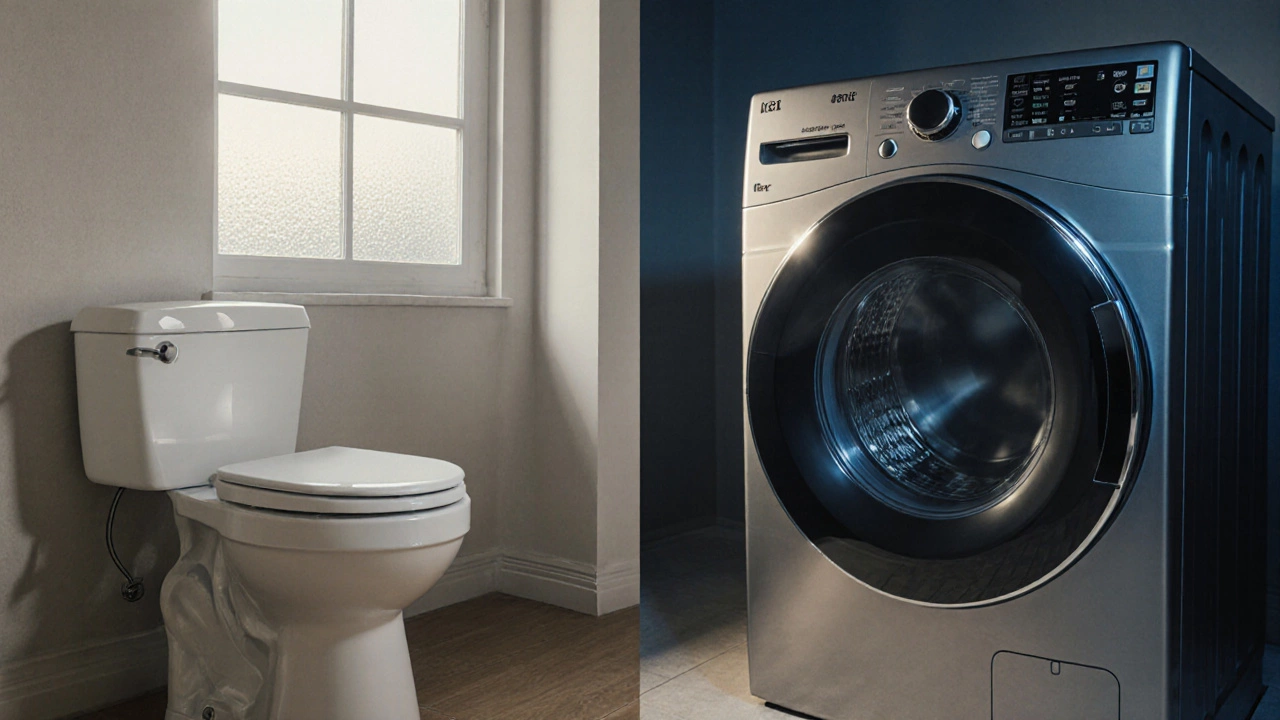
Learn why a toilet is classified as a plumbing fixture, not an appliance, and how this impacts warranties, insurance, and repair choices.

Dealing with a lack of hot water can be incredibly frustrating, especially during colder months. This article provides step-by-step guidance to identify and fix common issues with water heaters, ensuring you can tackle minor problems yourself before calling a professional. By understanding the functionality and common problems associated with water heaters, you can save time, money, and avoid inconvenient cold showers.

Electric ovens are handy, but they're not immune to problems. This article breaks down the most common faults people face, from ovens not heating properly to strange noises and error codes. You’ll get real tips on troubleshooting and signs when it’s time to call in the pros. Save time (and maybe some frustration) by knowing what to look out for. Find out why your oven might let you down and how to deal with it.
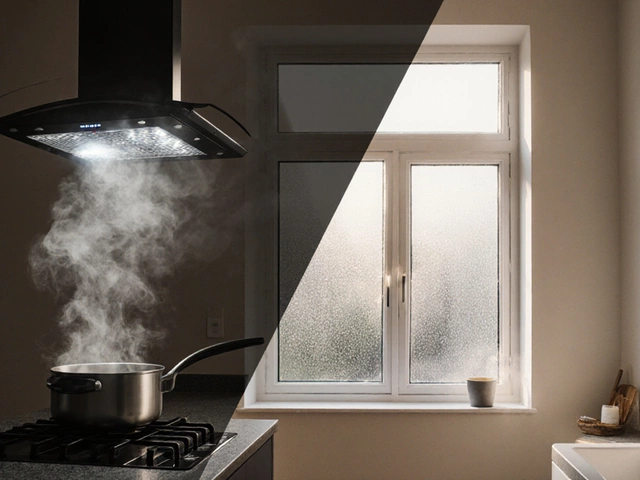
Explore whether you can live without an extractor fan, covering UK regulations, health risks, passive ventilation tricks, dehumidifier use, and when a mechanical fan becomes essential.
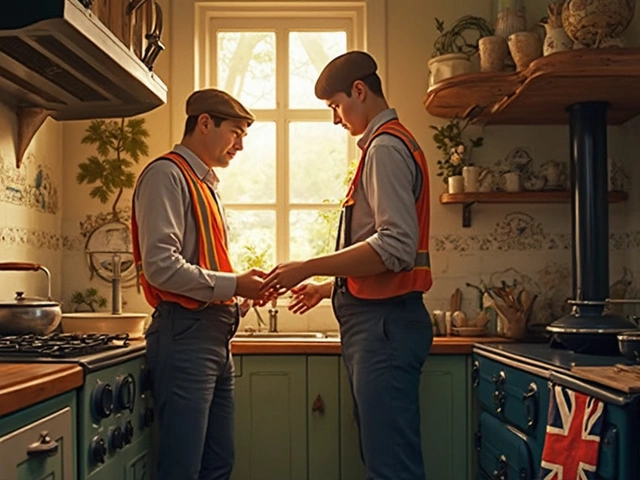
Thinking about installing a new electric oven? It's not always as simple as plugging it in. Discover the ins and outs of electric oven installation with tips on wiring, safety precautions, and when to call a professional. Learn what to check before attempting to plug in a new unit and how to ensure everything's set up correctly for safe and efficient use.
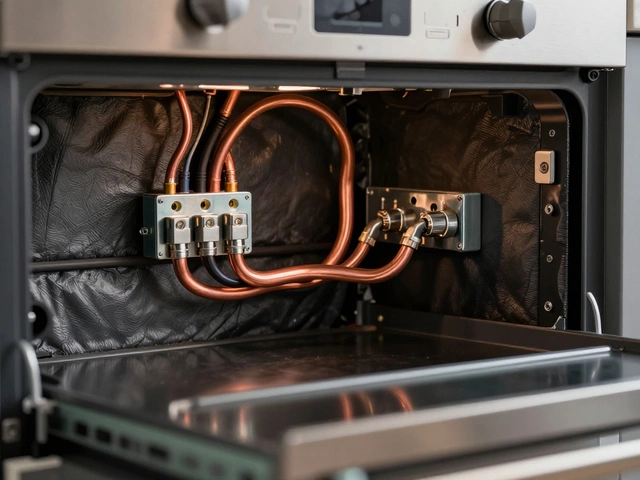
Discover whether you can replace an electric oven yourself or need to hire a professional. Learn about voltage requirements, safety risks, and legal building codes for appliance installation.