

If your cooker stopped heating or makes strange noises, you don’t have to panic. Most issues are caused by a few easy‑to‑spot problems, and you can often fix them yourself. Below you’ll find the most common reasons a cooker breaks, quick DIY fixes, and clear signs that it’s time to call an expert.
First, figure out what’s actually wrong. A faulty heating element is the #1 culprit for electric cookers that won’t get hot. Look for a burnt smell or a broken coil. Gas cookers usually suffer from blocked burners or a faulty igniter – a spark that won’t light the flame.
Another frequent issue is a broken control knob or a loose wire inside the cabinet. If the display flickers or the timer stops counting, the electronics might be at fault. Finally, everyday wear and tear, like cracked glass or a warped oven door seal, can reduce efficiency and cause uneven cooking.
1. Check the power supply. For electric models, make sure the plug is fully seated and the circuit breaker isn’t tripped. Reset the breaker and test the cooker again.
2. Test the heating element. Unplug the appliance, remove the element, and use a multimeter set to resistance mode. A reading of “infinite” means the element is broken and needs replacing.
3. Clean gas burners. Remove the burner caps, soak them in warm, soapy water, and use a soft brush to clear any debris. Re‑attach and try lighting the burner – a clean surface usually sparks correctly.
4. Inspect the igniter. If the spark button clicks but no spark appears, the igniter electrode may be cracked. Gently clean off any carbon buildup; if it’s still weak, replace it.
5. Tighten loose connections. Open the rear panel (after unplugging), look for any loose wires, and gently push them back into their terminals. A secure connection can solve random shutdowns.
When you’ve tried these steps and the cooker still misbehaves, it’s a sign the problem is deeper – possibly a faulty thermostat, a damaged control board, or a serious gas leak. Those issues need a qualified technician.
Remember, safety comes first. Never work on a cooker that’s still plugged in, and always turn off the gas supply before opening any gas components. If you feel unsure, call a professional. A quick call can save you time, money, and the risk of a bigger repair later.
Fixing a damaged cooker doesn’t have to be a nightmare. By checking power, cleaning burners, and testing key parts, you can solve most common problems. When in doubt, let an experienced repair service step in – they’ll get your kitchen back to normal quickly and safely.

Curious how to fix a broken cooker? Explore hands-on steps, common faults, safety tips, and tricks to get your appliance working again—no jargon, just practical advice.
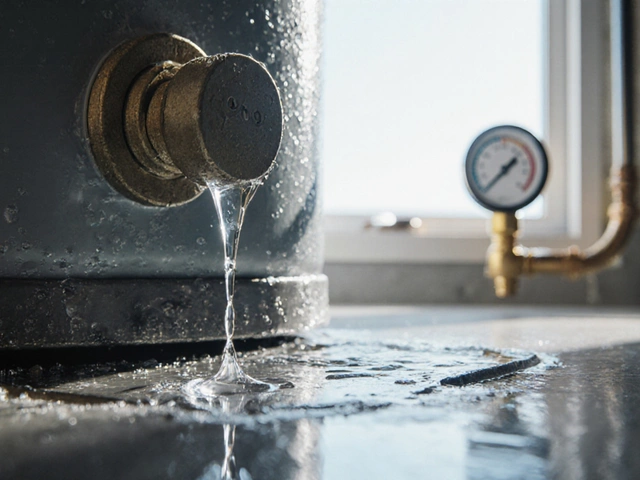
Water heater leaks usually come from five common spots: the pressure relief valve, anode rod, drain valve, tank corrosion, or pipe fittings. Learn where to look and how to fix it before it turns into a flood.
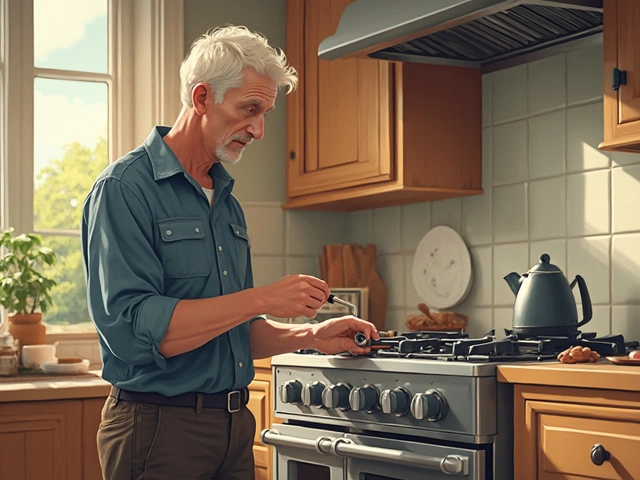
Wondering if you can fix a faulty gas hob? This article explains what repairs are possible, which issues you can tackle yourself, and when to call in a pro. Get down-to-earth tips on spotting common problems, safety advice, and how regular care can extend your hob’s life. We cover everything from spark ignition troubles to stubborn burners that won’t light. Know what you’re dealing with and avoid expensive mistakes.

If your boiler stops working, know who to call and what to do immediately. This guide covers emergency steps, how to find a Gas Safe engineer, repair costs, and how to prevent future breakdowns in the UK.

Curious about how your home appliances actually work? Get a full breakdown of what happens inside, troubleshooting tips, and smart ways to keep everything running smoothly.

Cracked or damaged glass hobs make you panic, but not every problem spells doom for your stove. This article breaks down what issues can actually be fixed and when it's smarter to replace the glass. You’ll get real-life tips, possible repair options, and clear warnings for common mistakes. Safety comes first, but you’ll also find out when you can handle things yourself—or absolutely need a pro. Practical info, simple steps—you’ll get the full story on glass hob repair.