

Got an oven that won’t heat, heats unevenly, or makes weird noises? You’re not alone. Most homeowners face an oven glitch at some point, and most of them can be sorted without a pricey callout. Below you’ll find the most common faults, easy DIY fixes, and clear signs that it’s time to bring in a qualified repair expert.
1. Faulty heating element. In electric ovens the element is the heart of the heat. If it’s cracked, burnt out, or loose, the oven stays cold. A quick visual check (make sure the power is off) will show black spots or broken wires.
2. Bad thermostat or temperature sensor. The thermostat tells the oven when to turn the element on and off. If it’s mis‑reading the temperature, the oven can stay too cool or over‑heat. You can test it with a multimeter; most sensors read around 1 kΩ at room temperature.
3. Tripped safety switches. Modern ovens have thermal fuses and door switches that shut the heating circuit if something is wrong. A blown fuse usually needs a replacement, while a door switch is an easy snap‑in fix.
Replace a broken element. After unplugging the oven, remove the screws that hold the element in place, pull it out, and slide the new one in. Re‑attach the screws, reconnect the wiring, and you’re ready to test.
Clean dirty burners and coils. Food debris can insulate the element and cause uneven heating. Use a soft brush and a damp cloth to wipe away grime. Let everything dry before you turn the power back on.
Reset tripped safety devices. Locate the thermal fuse (often behind the back panel) and check it with a multimeter for continuity. If it’s dead, replace it – they’re cheap and easy to swap.
These fixes cover about 80 % of the usual oven headaches. If you try them and the oven still won’t work, you’re probably dealing with a more complex control board issue or a gas‑line problem that needs a professional.
If you notice any of these signs, stop DIY attempts and call an expert:
Professional technicians have the tools to test voltage, replace control boards, and safely work with gas connections. A quick call can save you from a costly mistake and get your oven back in action faster.
Remember, safety comes first. Always disconnect power or shut off the gas before opening any part of the oven. If you’re unsure about any step, a local repair service – like Bognor Regis Appliance Repair Experts – can handle the job quickly and affordably.
With these tips, most oven issues can be diagnosed and, in many cases, fixed right at home. Keep this guide handy, and you’ll spend less time waiting for meals and more time enjoying them.
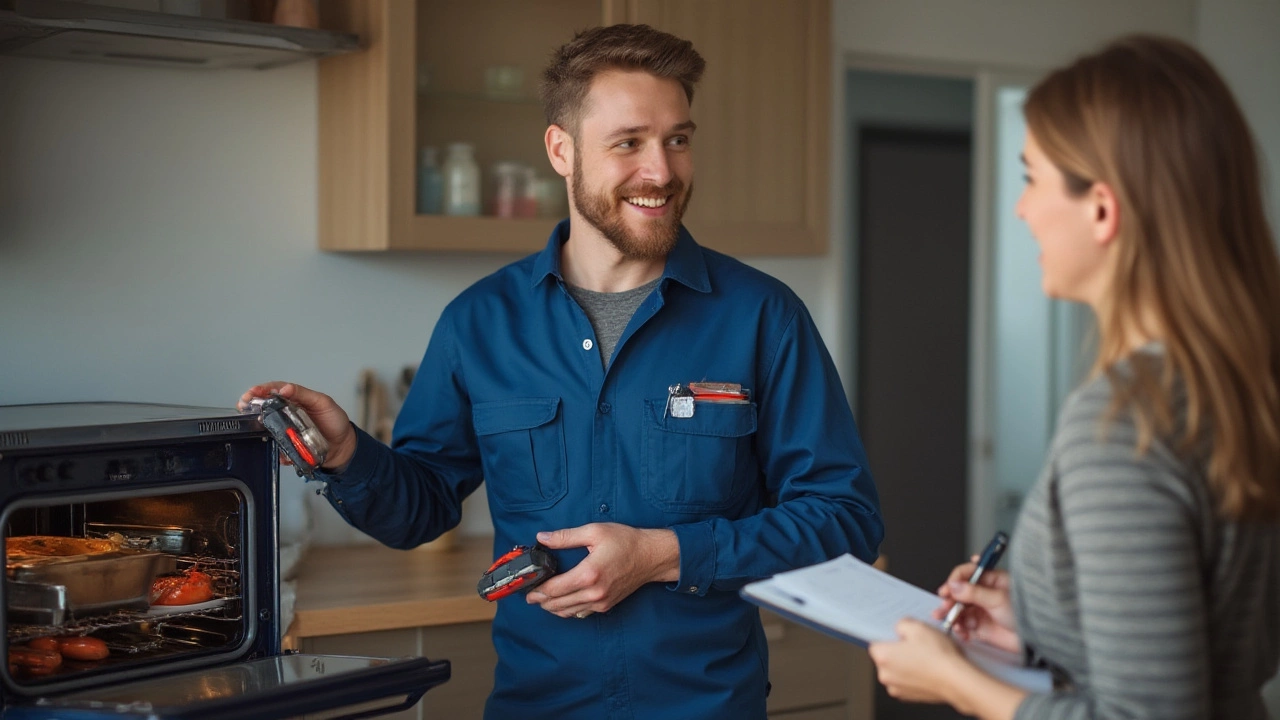
Learn the proper term for someone who fixes ovens, how they work, skills they need, and why hiring a pro is a smart move. Helpful tips inside.

Ovens are essential in any kitchen, but they can sometimes act up. Whether it's uneven cooking, a door that won't close, or strange noises, there's usually a straightforward explanation—and solution. This article delves into typical oven issues, offers handy tips to troubleshoot them, and suggests when it's time to call a professional. Knowing these basics can help keep your oven running smoothly.
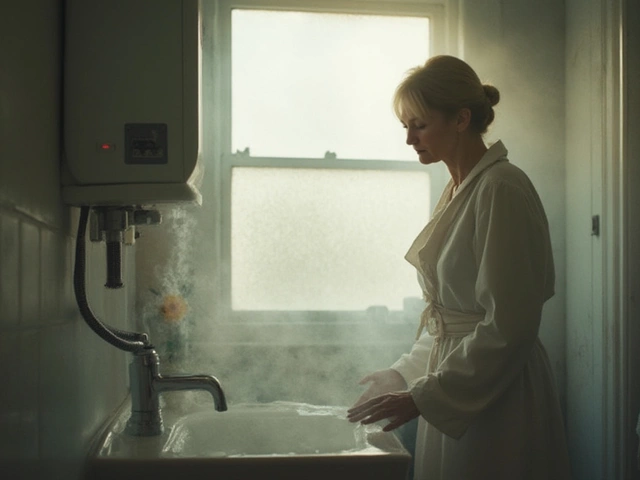
Wondering why your water heater keeps needing a reset before you get hot water? Learn the real reasons, what you can safely check, and when it’s time to call for help.
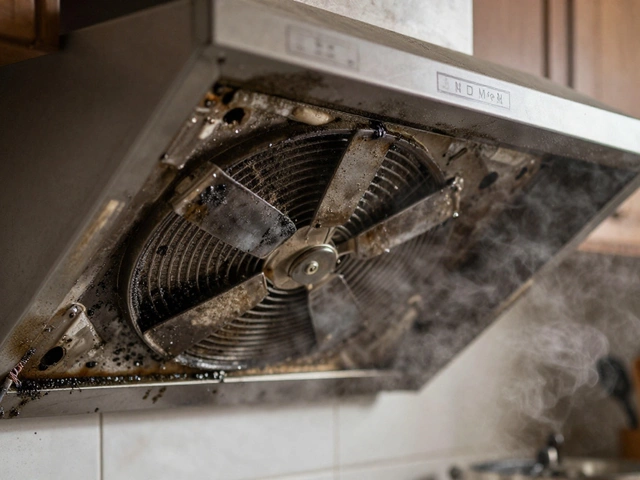
Kitchen extractor fans typically last 10-15 years, but grease buildup and lack of cleaning can cut that in half. Learn the signs it's time to replace yours and how to choose a better model.

When your electric hob stops working, it's more than just a minor inconvenience—cooking essentials go awry, family meal plans are disrupted. Understanding some common causes and fixes is crucial before calling in the big guns or rushing to buy a new unit. From circuit issues, faulty sensors, and even user errors, many problems have straightforward solutions. This guide walks you through troubleshooting steps and shares tips to keep your hob cooking strong.
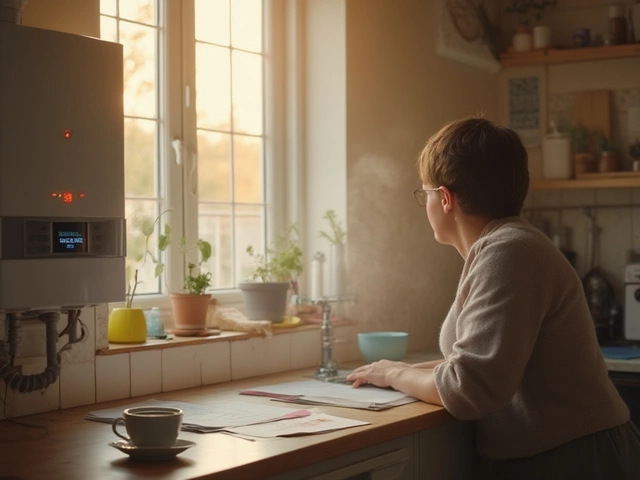
Discover when to worry about your boiler, warning signs to watch, and smart tips for safe use. Get practical advice to avoid major boiler headaches.
Not all plumbers can fix boilers-only Gas Safe registered engineers can legally work on gas systems. Learn when to call a plumber vs. a heating engineer, how to verify qualifications, and what to expect from a boiler service.