

Got a cooker that’s acting up? Before you call a pro or toss it out, take a quick look at the symptoms. A few common issues – like an oven that won’t heat, burners that flicker, or strange smells – can often be fixed for a fraction of the price of a new unit. On the other hand, old appliances may be costing you more in energy bills and repairs than a fresh, efficient model would.
First, unplug the cooker and check the obvious things. A loose knob, a broken heating element, or a tripped safety switch are easy fixes. If the oven isn’t heating, use a multimeter to test the element – a continuity reading means the element is fine, and the problem is likely the thermostat or control board. For gas cookers, a hissing sound or uneven flame points to a gas valve issue that a qualified technician can replace.
Next, consider the age of the appliance. Most cookers last 10‑15 years with proper care. If yours is under that range and the fault is isolated (like a single burner), repairing is usually worth it. Keep an eye on the cost of parts; a new burner or thermostat typically runs under £50, and many DIY guides walk you through the swap in under an hour.
If the cooker is more than 12‑15 years old, you’re probably staring at higher energy use and more frequent breakdowns. Modern cookers are far more efficient and often come with safety features that older models lack. Ask yourself: will the repair cost be more than half the price of a new unit? If yes, replacement makes sense.
Another red flag is multiple failing components. If the oven, hob, and fan all need work, the combined labor and parts can quickly add up. In that case, a new cooker not only solves the immediate problems but also gives you a warranty and lower running costs.
Before you dump the old unit, think about recycling. Many local councils offer free bulky‑goods collection, and some retailers will take the old appliance when they deliver a new one.
Whether you decide to fix or replace, safety comes first. Always disconnect power or gas, wear gloves, and follow manufacturer instructions. If anything feels beyond your skill level – especially gas work or major electrical repairs – call a certified technician. A quick call can save you from costly mistakes and keep your kitchen safe.
Bottom line: check the age, identify the fault, compare part costs, and weigh energy savings. With a little detective work, you’ll know if a simple fix will get your cooker back in shape or if it’s time to upgrade to a newer, more efficient model.

Thinking about repairing your cooker? This guide covers repair costs, when to fix or replace, and expert tips to help you decide what's best.

Keeping your home well-ventilated is essential, and extractor fans play a crucial role in maintaining air quality. Whether you're installing a new fan or repairing an old one, it's important to know who to call. Professional electricians and specialized ventilation technicians are the go-to experts. They ensure fans are properly installed and functioning efficiently, saving you from potential hassles down the road.

Wondering if you can still use your oven with a broken heating element? This article breaks down what actually happens when the heating element fails and what your options are. Learn about safety concerns, possible workarounds, and when it’s smarter just to fix it instead of limping along. Get tips on recognizing a bad element and ideas for a cheap, fast repair. Find out what really works and what won’t, straight from someone who’s fixed more than a few ovens themselves.

Is your freezer not making ice? Learn how to fix common issues like clogged filters, frozen water lines, and faulty sensors with this easy guide.
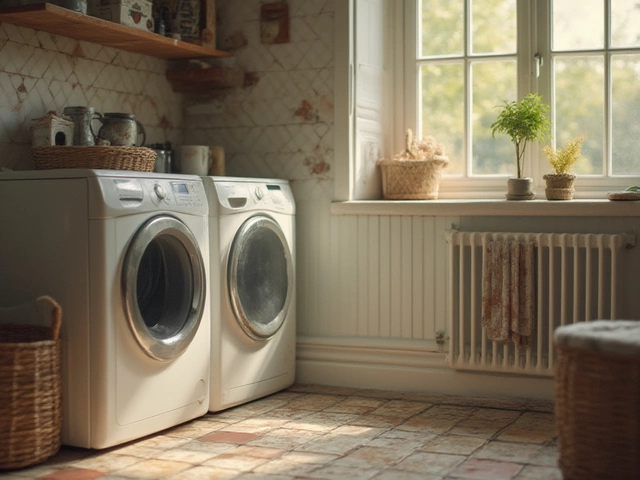
Is your washing machine considered old? Learn the real lifespan, signs it's aging, and pro tips to keep it running longer. Get real facts and advice from an expert.

Ever opened your freezer to find squishy ice cream or thawed food when it should be rock solid? This article digs into the real reasons your freezer refuses to stay frozen, from simple mistakes to sneaky mechanical fails. Learn how to spot common culprits, fix minor issues yourself, and know when things are actually serious. Packed with practical tips and straightforward advice, you'll get the cold facts and solutions you need. No jargon, just help you can actually use.